


Sudden stratospheric warming (SSW) events have received increased attention in the media since their impacts on the troposphere, where our weather happens, have led to a few notable events in recent years. Such as the SSW in early February 2018, which caused the polar vortex to weaken and split, leading to a significant breakdown and the redirection of frigid Arctic air southwards and eventually triggered the "Beast from the East" that arrived in the UK later that month.
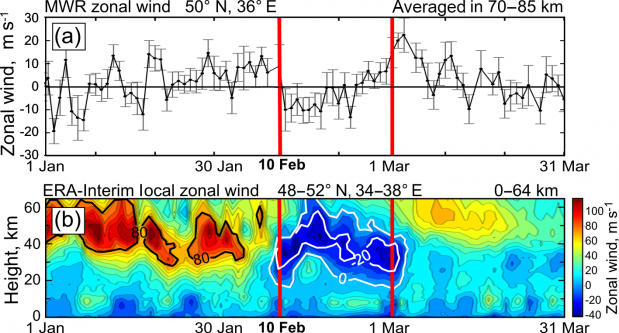
2018 SSW sequence of polar stratospheric zonal wind reversal and propagation towards the troposphere. Source: Copernicus
However, each SSW is different and to understand the global impact of these events requires analysing the characteristics of the stratosphere-troposphere coupling or lack of. SSW events are classified into two types based on how effectively the stratospheric polar vortex absorbs or reflects upward-traveling planetary waves from the troposphere. The resulting type dictates how the event impacts subsequent surface weather patterns
The first is the absorbing type of SSW, which has a longer timescale as well as a larger meridional extent due to the persistent incoming planetary waves from the troposphere. The absorbing type of SSW is related to the annular mode on the surface through poleward and downward migration of the deceleration region of the polar night jet.
This can result in the following impacts in the stratosphere and troposphere:
The February 2018 SSW is an example of an absorbing SSW, which split the polar vortex into 2 ‘daughter’ vortices.
The other is the reflecting type. This is characterized by a quick termination of the warming episode due to the reflection of planetary waves in the stratosphere, which leads to an amplification of tropospheric planetary waves inducing strong westerlies over the North Atlantic and blocking over the North Pacific sector.
This can result in the following impacts in the stratosphere and troposphere:
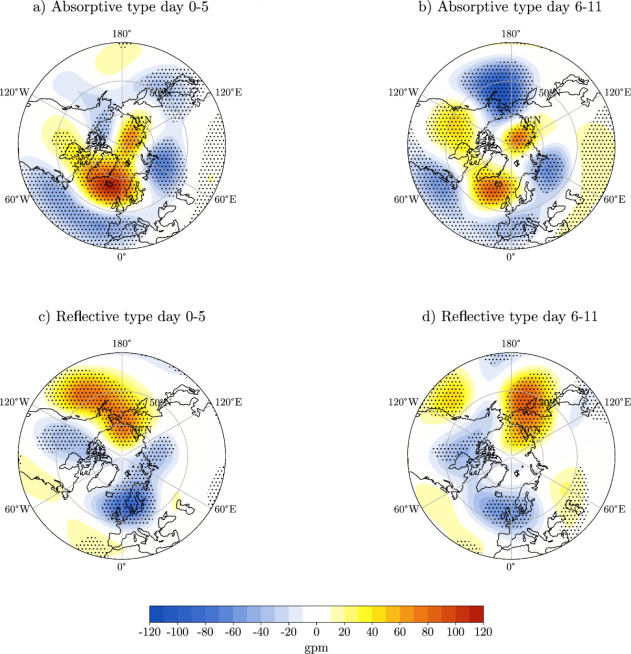
Source: Stratospheric Polar Vortex wave absorption/reflection and effect on surface climate
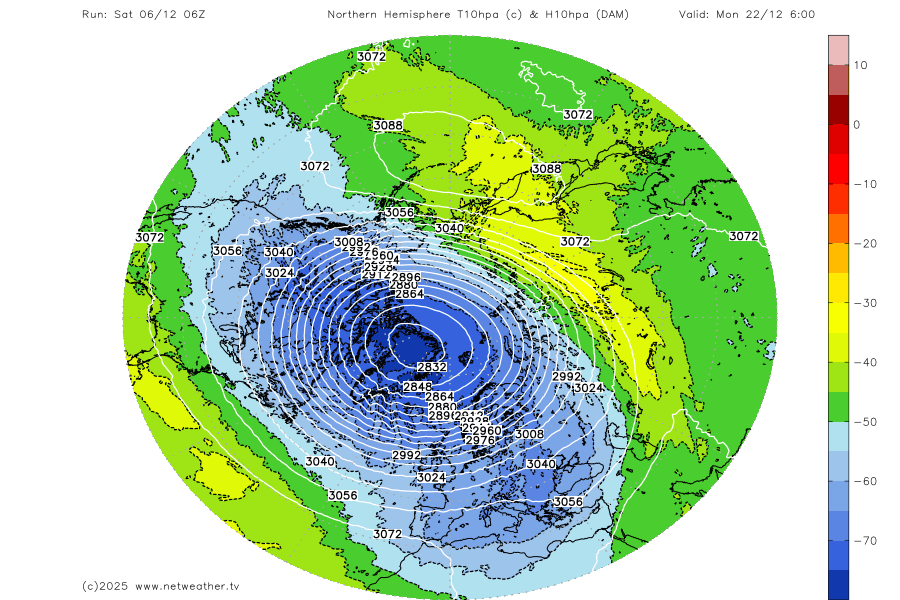
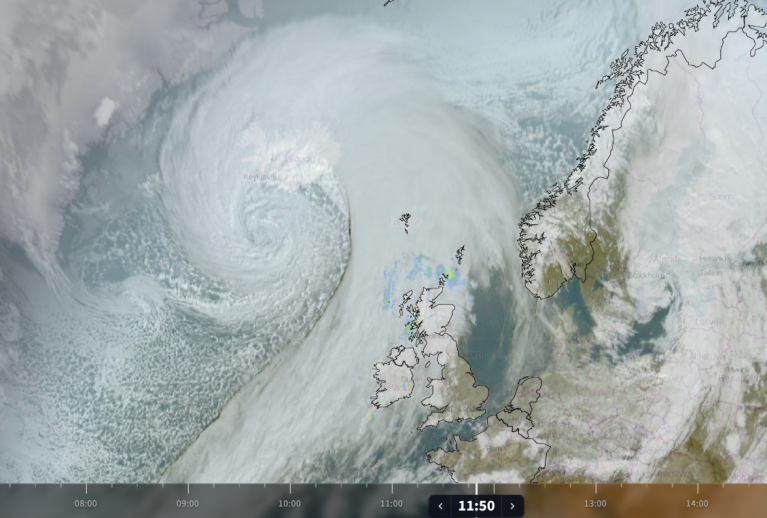
The minor SSW in late November just gone is an example of a reflective SSW. Reflection of planetary waves upwards into the stratosphere have been reflected back down into the troposphere, leading to a quick termination of the warming episode with a restrengthening of the SPV. While the reflection of planetary waves back down into troposphere leads to an amplification of tropospheric planetary waves inducing strong westerlies over the North Atlantic and blocking over the North Pacific sector.
Loading recent activity...