


Winter is coming, but there is still a lot of uncertainty about what kind of winter the UK is facing. England and Wales are crying out for steady rain, as some regions remain in severe drought. There is a super El Niño, global heating, an unusually early Sudden Stratospheric Warming (SSW) up high in the atmosphere, and the threat of another rise in domestic energy prices at a time of high use in the UK. We can’t do much about the weather, but there are ways to save money and reduce energy usage. The first one is to tell all teenagers to put a jumper on (and socks and something under that hoodie) before even thinking about turning the heating on/up.
As we head into winter,
“ a sudden stratospheric warming over the Arctic and a record-breaking El Niño taking place in the Pacific Ocean means there’s a meteorological melting pot of influences on the UK’s weather in the coming months,” Met Office
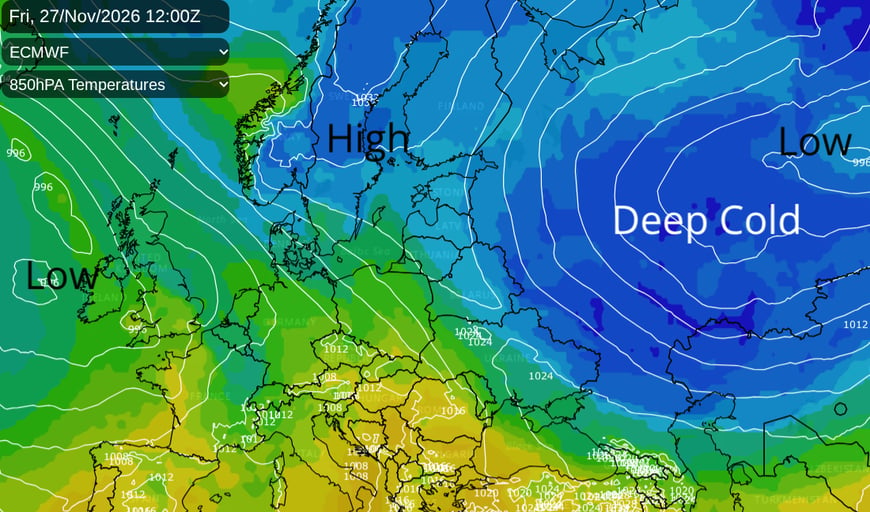
In the Netweather outlook, Nick Finnis mentions, “Hence the potential for colder and drier conditions extending further south through early December.” So rather than just the far north and northeast of Europe, cold conditions could reach more of central Europe. The UK seems to be on the edge of things, with an Atlantic influence still featuring from the west.
Energy price pressure
The next Price Cap (for January 2027) will be announced on 25th November. It is expected to rise over 20% at a time of year when we are in our coldest season, with highest heating use. It might be time to remember some older generations' methods for keeping warm and saving money. Our lives with central heating and a flick of a switch for warmth and light might mean that we don’t always bother with some simple energy-saving habits. Our heating varies across the UK, most still with mains gas (fossile fuel) central heating, others with electric heaters, some have new heat pumps, others battling with the volatile cost of domestic oil in rural areas and moreso in Northern Ireland. Tensions in the Middle East have added to fuel costs as shipping was restricted, and other costs such as petrol and diesel have increased, adding to pressures on households. And diesel on transporation of food and goods. Other money saving tips would be to drive smoothly, and keep your tyres properly inflated.
At home
Do you live in a barn? A favourite for parents or grandparents to ask loudly of younger family members. Closing a door stops draughts and keeps one room toasty, especially if you do have a ‘coal’ fire or wood-burning stove to gather around. Unused rooms should have their doors closed, and even the radiators turned down to the frost protection point.
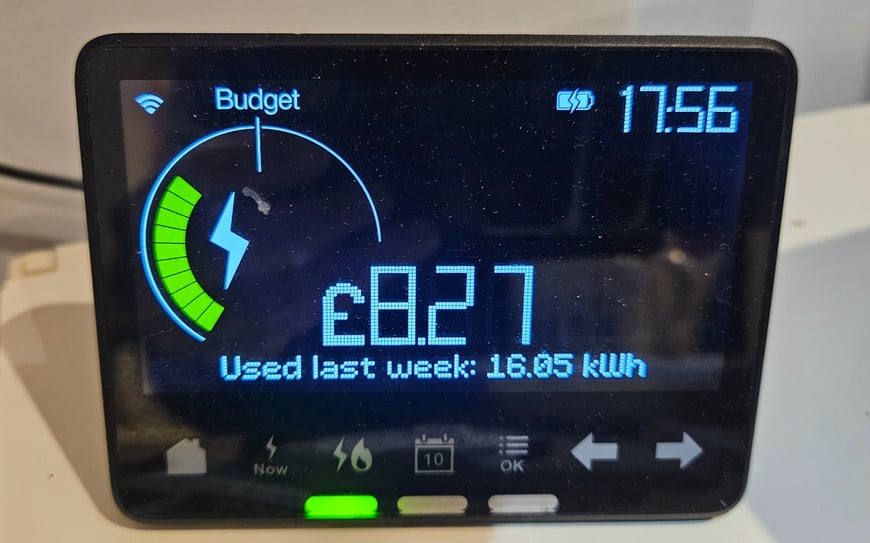
Check that no one in the house has felt the need to open a window for some fresh air, whilst the bill payer declares “I'm not heating [insert your location] you know!”. Smart meter displays often sit in view, but does everyone in a household pay them attention?
Drawing the curtains as it goes dark (and colder) makes a huge difference. Heat can happily radiate out through glass, but heavy winter curtains really help keep a room warm. Some people swap their curtains from summer to winter. You can also buy fleecy lining for existing curtains as part of an energy-saving blitz. Tucking the curtain behind a radiator makes a difference, and moving furniture away from radiators helps, so it's not just the back of a settee that is heating up.
Doors still have to open, but a curtain also helps. Shutting the other doors in a hallway before opening the front door means not so much heat will escape. A small bit of effort but worth it.
A draught excluder made of fabric, perhaps in the shape of a snake or sausage dog, will block moving air along the bottom of a door. Also covering your letterbox; all these small things add up.
Working from home
Those who have been working from home for a while will probably have a collection of warm clothes, a heated gilet, thick socks and other thermal clothing for the stationary part of their job. Cotton clothing is rubbish for keeping you warm. Synthetics or wool are much better.
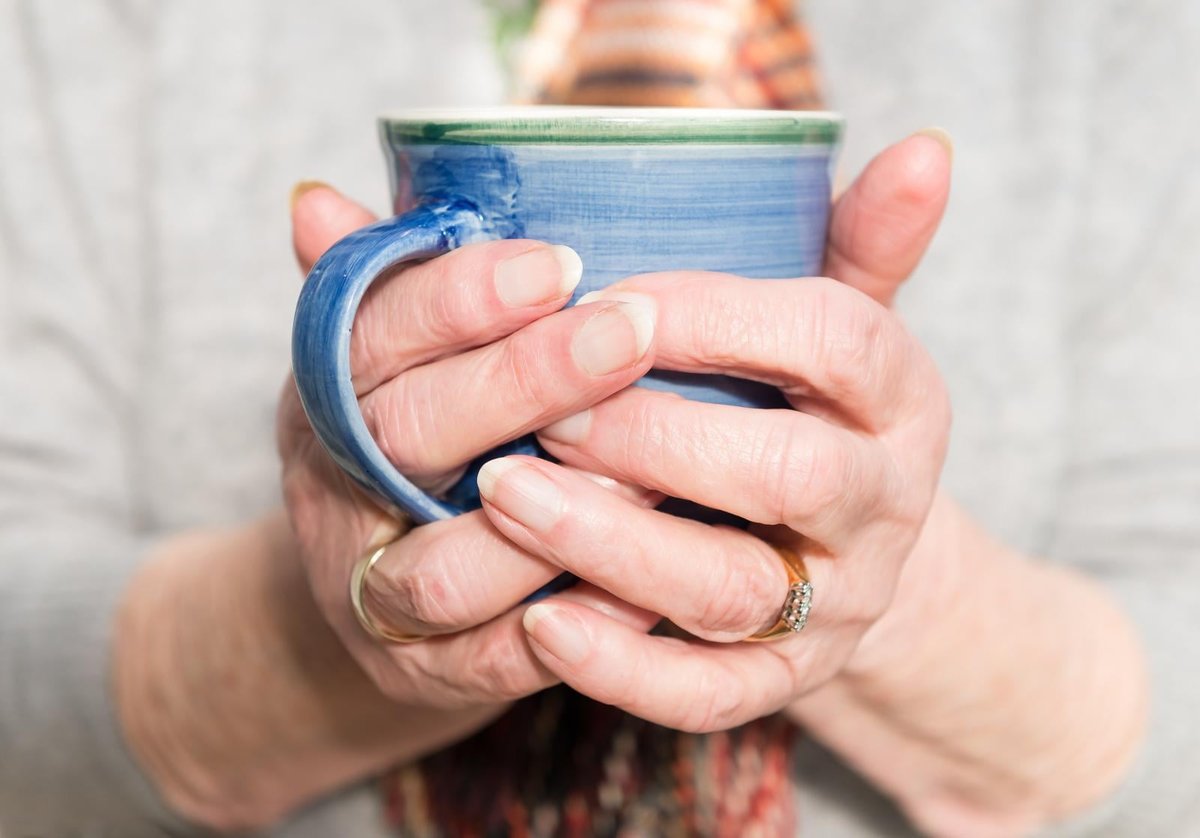
Porridge for breakfast and soup for lunch will make a difference, along with endless warm drinks
There is a push for more local “Warm Welcome Spaces”, and you can search online for one near you. They can be just warm places to sit and have a cup of tea, often in libraries with something to read, or an opportunity for a chat. Or a space to work and not have to heat your home all day.
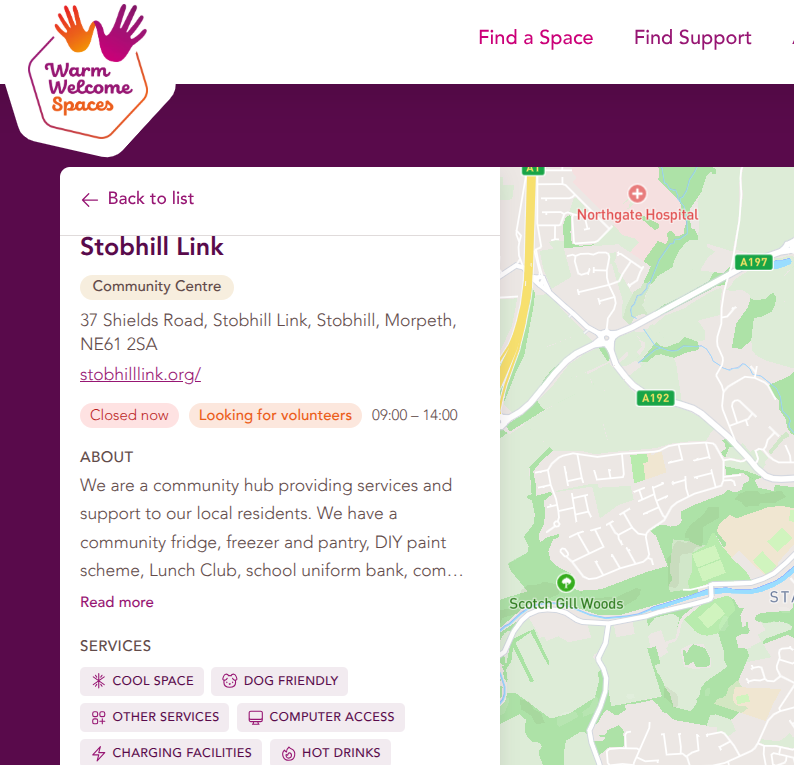
“The Warm Welcome Campaign wants to enable a more deeply connected society where we all have free access to welcoming community spaces.”
If you are heading into the office, a thermos flask is a wonderful thing and can help reduce other costs, especially if you buy a coffee each day on the way in. It might not be the same as a daily gingerbread latte, but take a look at your energy bill first in the New Year. Ask Santa for a thermos.
Energy saving
A hat makes a huge difference if you have to stand at the bus stop or on an exposed railway platform. The same applies to sitting at home; the advice is to “heat the human, not the home” from Money Saving Expert, Martin Lewis.
An air fryer can really help with smaller portions, if people eat at different times, or just different meals. Rather than heating up a whole oven, these are a great gadget and very popular with thrifty students.
Another way of saving energy and keeping the inside of your home healthy is by hanging washing outside. A tumble dryer is an energy-hungry appliance, and if you can use an outside line, the wind is free. Even as temperatures fall and the hours of sunlight decrease, putting laundry out on the line can reduce the moisture in our clothes. That moisture does not then come into your home and potentially add to mould issues. This is a common problem in the winter months, and it is worth opening your windows each morning (when the heating is off) to freshen the air. The best clothes drying days are when there is a bit of a breeze (and it’s not raining, obviously), but the winter sunshine doesn’t do much, so don’t worry about that. Use the Netweather Drying Guide for forecast conditions.

“For older people, a warm home isn't a luxury. It's essential for staying healthy, independent and safe…Faced with impossible choices, too many are going without the warmth they need to protect their health.” Age UK
For older people who are at home all day, keep the rooms you use most at a comfortable temperature. This is usually around 18°C. Just change it a little when you need to. That is more efficient than turning the heating off and on again. Older people and anyone with health conditions shouldn’t let the living room temperature drop too low.
There will be local campaigns, social tariffs, community hubs and assistance around. Now is the time to prepare for winter, and the Warm Welcome Spaces might be the place to find out more, over a cup of tea.
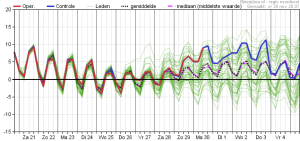
21 minutes ago, AO - said: Just FYI. The continent is anything but mild within the foreseeable. The plume is firming up towards the colder side, albeit faux cold. For those who are interested: Tonight's 12z Wednesdays 12z And this is the output...
16 minutes ago, MAF said: wrap up and think of something to keep you warm 🙂 I’m back indoors, it was only a quick pit stop at the CoOp for some bread to have with my spicy parsnip soup, nice and toasty now 🤗
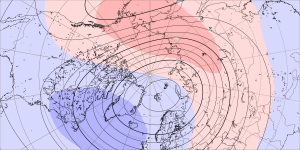
Just now, northwestsnow said: end of Dec another warming in the strat? Still got the 6 going for the SSW ! 5 of them form a nice little cluster of trendsetters.
end of Dec another warming in the strat?

1 minute ago, Midlands Ice Age said: Masie shows that both Kara and Barents have been similar in the last 5 years on 1 or 2 occasions - MIA Yep a big concern going forward with this year bottom of the pack.
55 minutes ago, johncam said: Outer ice areas in Barents and Kara are ridiculous low at the moment and don't see any great improvement in the foreseeable. Ridiculous is a strong word..... Masie shows that both Kara and Barents have been similar...