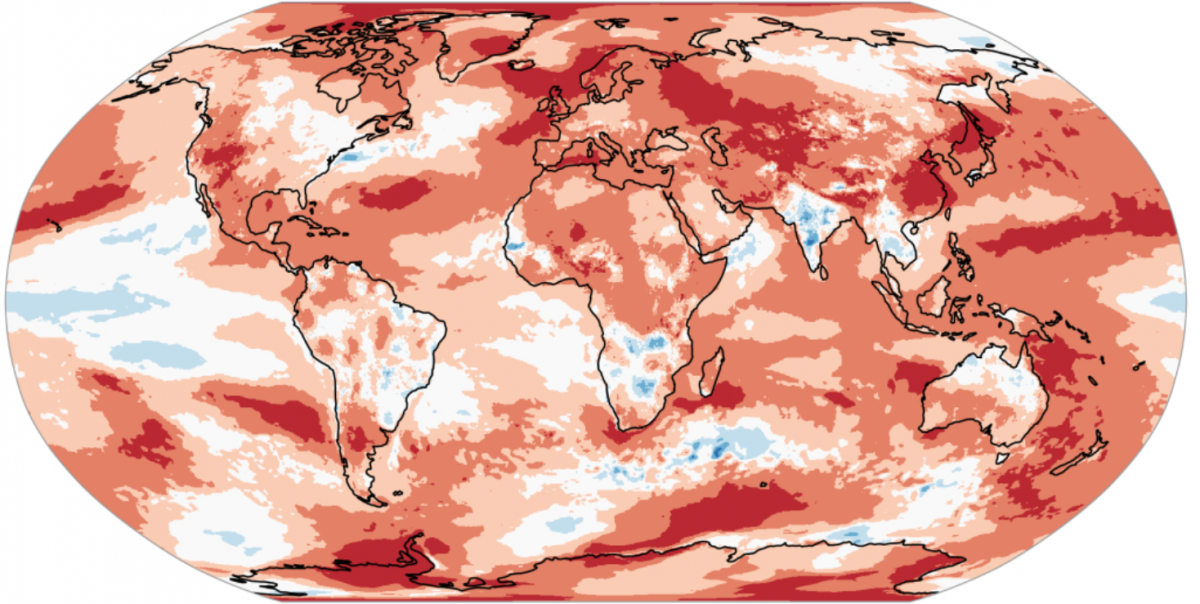



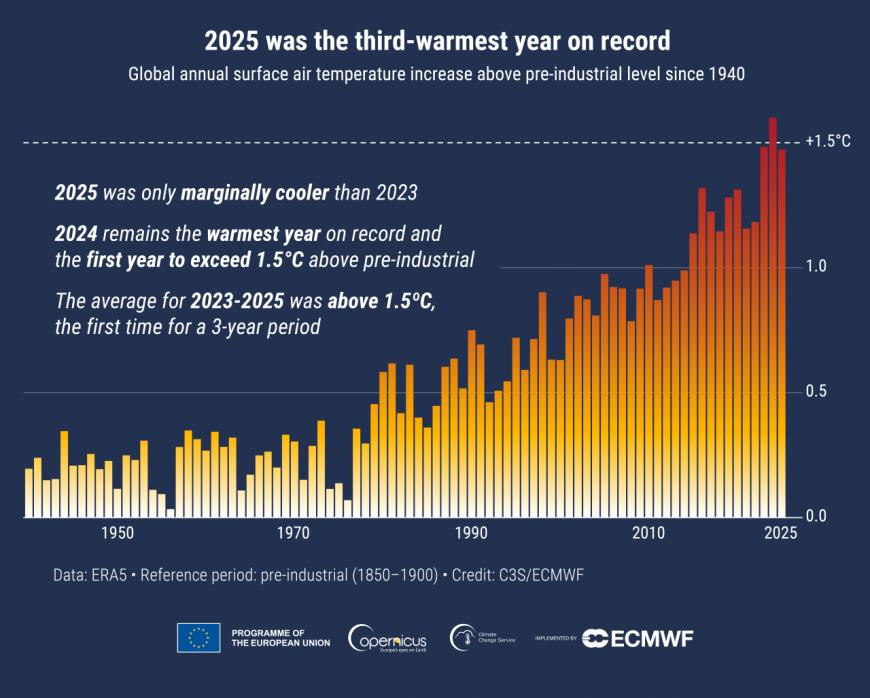
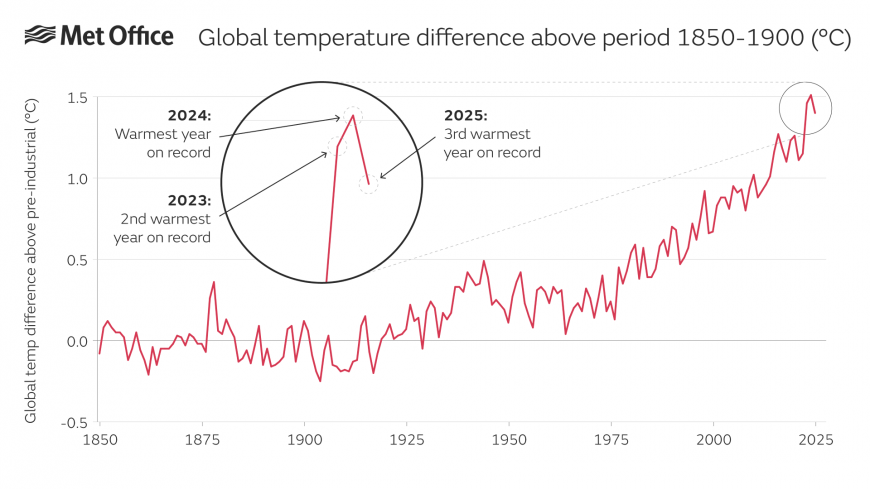
Today’s announcement states that “2025 is the third warmest year on record in a series from 1850, following 2024 and 2023.” The Guardian’s headline is “Human activity helped make 2025 third-hottest year on record, experts say”
This three-year run includes the world’s warmest years on record. 2025 concluded at 1.41±0.09°C above the 1850-1900 global average. This is according to the HadCRUT5 temperature series, collated by the Met Office, the University of East Anglia and the National Centre for Atmospheric Science.
“Our global temperature observations show that the world is continuing to warm in line with predictions made by climate scientists worldwide." Professor Tim Osborn is the Director of the Climate Research Unit (CRU) at the University of East Anglia (UEA).
2024 was the warmest year on record, 2023 the second, and now 2025 the third warmest on record.
“From 2023, the globe has seen a surge in average annual temperatures. The three-year average global temperature from 2023 to 2025 has been around 1.47°C above the average for 1850-1900.”
The findings are released today by the European Centre for Medium-Range Weather Forecasts (ECMWF), which operates the Copernicus Climate Change Service (C3S) and Copernicus Atmosphere Monitoring Service (CAMS) on behalf of the European Commission. The following organisations involved in global climate monitoring – ECMWF, NASA, NOAA, the UK Met Office, Berkeley Earth, and the World Meteorological Organisation (WMO) – have coordinated the release of their data.
Air temperature over global land areas was the second warmest, whilst the Antarctic saw its warmest annual temperature on record and the Arctic its 2nd warmest.
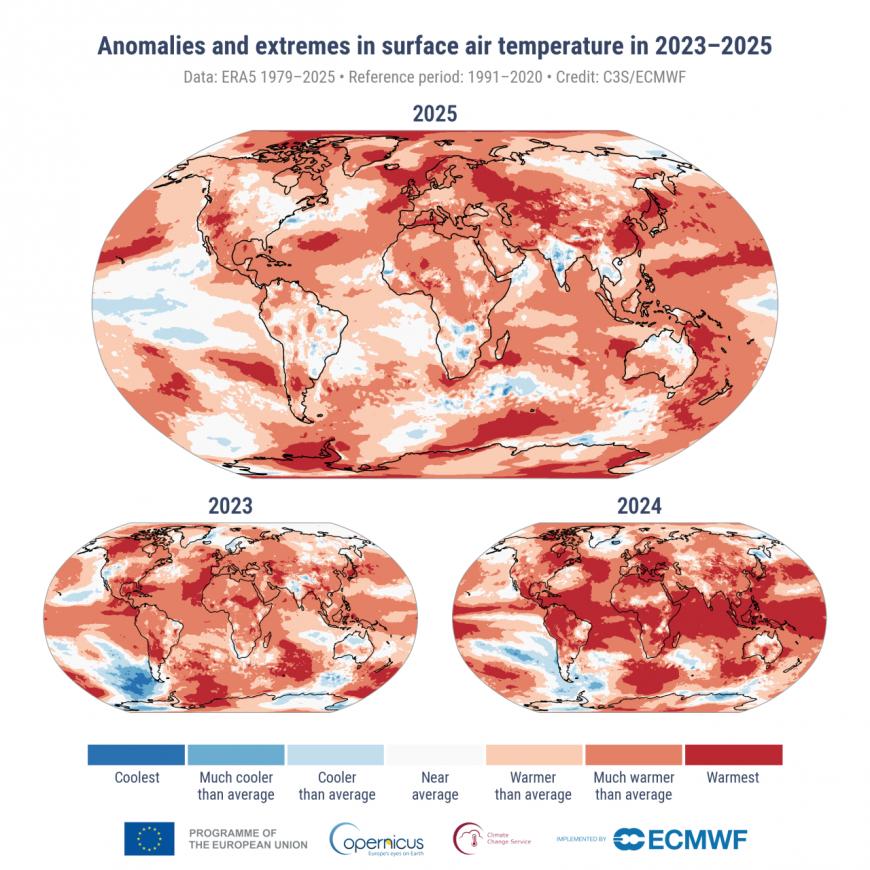
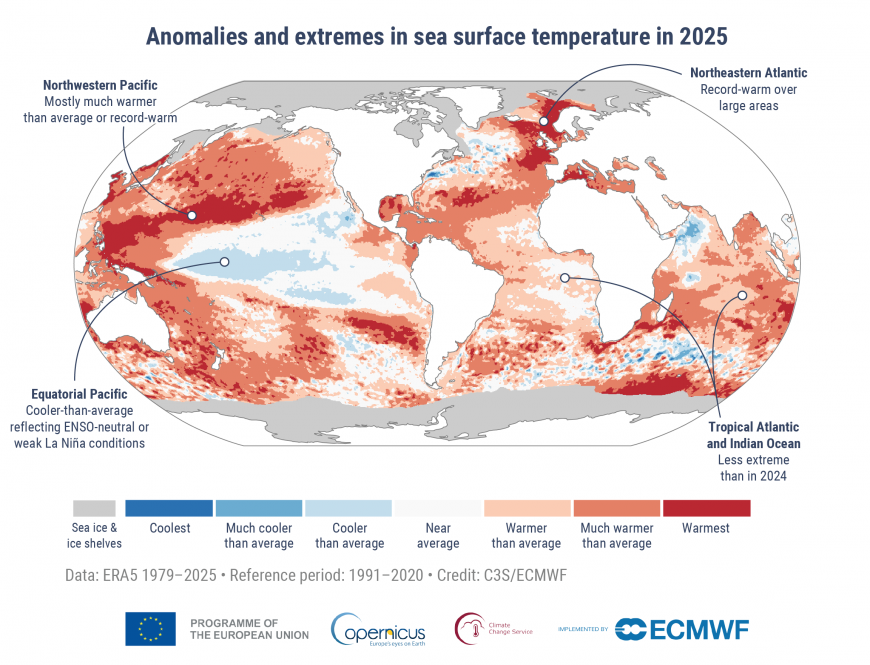
Copernicus “The last three years 2023-2025 were exceptionally warm for two main reasons. The first is the build-up of greenhouse gases in the atmosphere, from continued emissions and reduced uptake of carbon dioxide by natural sinks. Secondly, sea-surface temperatures reached exceptionally high levels across the ocean, associated with an El Niño event and other ocean variability factors, amplified by climate change. Additional factors include changes in the amounts of aerosols and low cloud and variations in atmospheric circulation.”
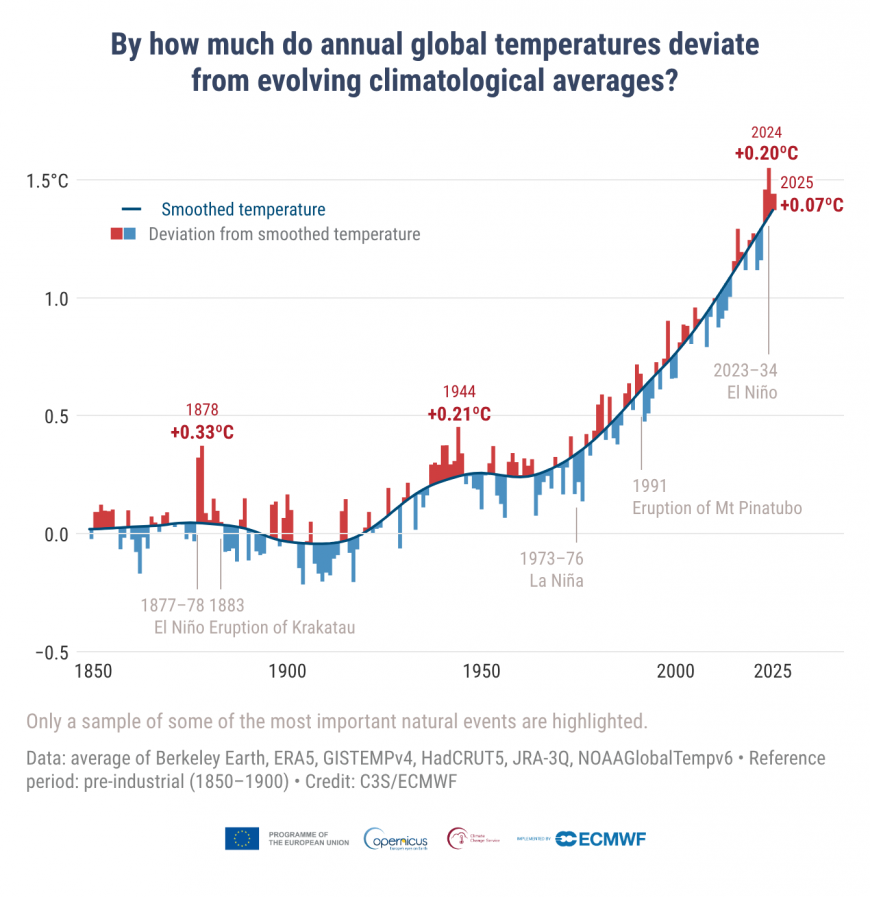
Climate scientist Colin Morice of the Met Office said: “The long-term increase in global annual average temperature is driven by the human-induced rise in the concentration of greenhouse gases in the atmosphere. Fluctuations in the year-to-year temperature largely result from natural variation in the climate system.”
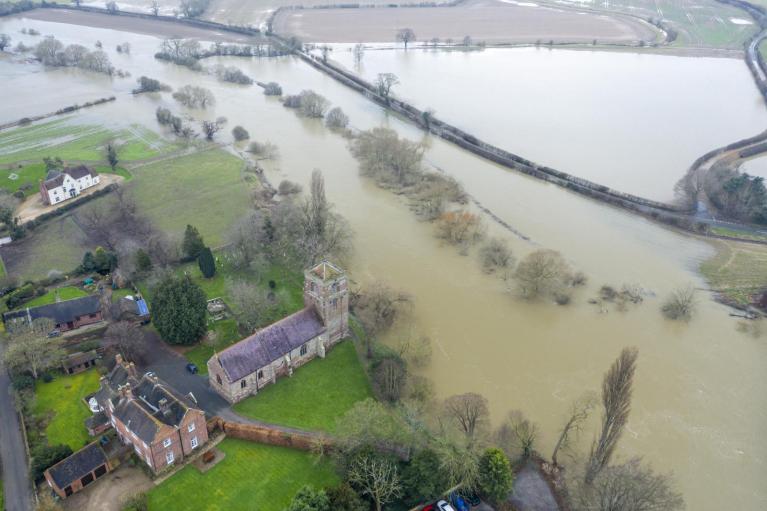
 Extreme weather events have displaced millions of people in 2024, with several thousand killed around the world. Events included devastating floods, wildfires, heatwaves, and cyclones. The economic cost has also been huge as the pace of global heating has intensified.
Today’s press release stated that “Climate scientists from the Met Office and other organisations are examining the rise in annual global mean surface temperatures; this includes the significant recent increase seen in 2023 and 2024. The scientists confirm the main cause of climate warming is increasing greenhouse gas concentrations driven by rising emissions. The experts also cite a number of factors for the recent surge, including: the rapid transition to El Niño conditions in 2023; the accumulation of ocean heat due to the high value of Earth’s Energy Imbalance; and reductions in anthropogenic aerosol emissions.”
Consequences and impacts include:
Food and water security - droughts, floods and changing climate patterns disrupt agriculture and water supplies. This can also lead to political tensions, even war.
Displacement - as sea levels rise or extreme weather forces people physically from their homes or to search for work and income.
Health - more frequent and intense, lengthy heatwaves. The spread of disease, especially for displaced people and the ongoing concerns around air quality.
Economic and inequality - destruction of infrastructure, crop failures and loss of employment. Communities are broken, and food costs spiral. Insurance costs increase or are refused. Need for flood defences and emergency response to severe weather events.
What do these changes in climate look like?
At the start of 2026, the UK Met Office announced that 2025 had broken historical climate records. Provisionally, the UK had seen both the warmest and sunniest year on record.
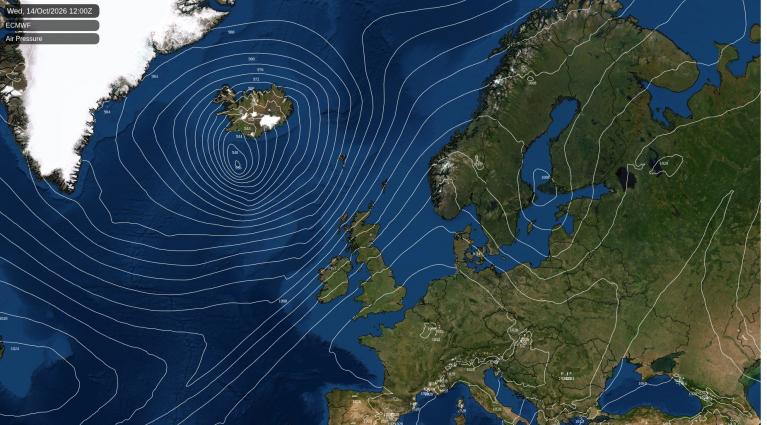
The UK's climate is becoming warmer with drier summers and wetter winters, and the frequency and intensity of storms, floods, droughts and heatwaves is increasing. We have spent years insulating our homes from the cold to reduce heating costs and lower energy usage, but now the problem of summer heat is massive for the UK housing stock. Sea level rise is affecting coastal areas by threatening homes, infrastructure and those communities.
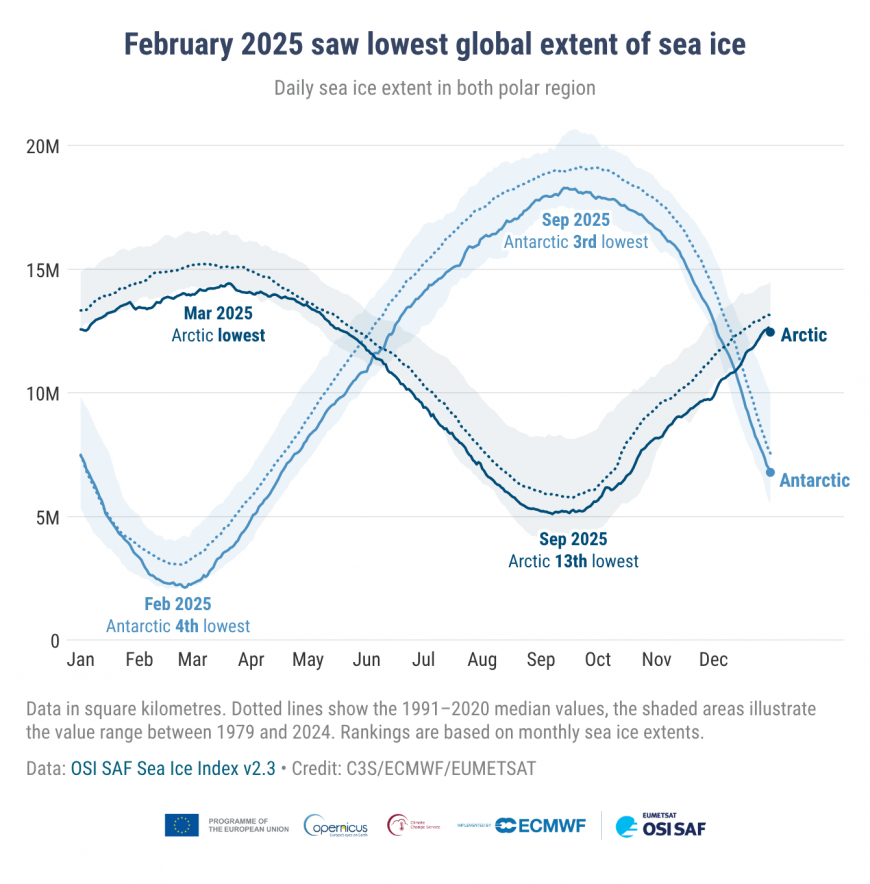
Effects in the Arctic are even more alarming and dramatic. Known as Arctic Amplification, temperatures are warming faster in the Arctic than anywhere else in the world. Sea ice is disappearing as glaciers also shrink, with the permafrost thawing and releasing carbon rather than storing it.
As the atmosphere warms, there is more water vapour held in the air, ready to be released as precipitation. This can lead to deadly storms with extreme flooding, as seen in central Europe and the Mediterranean. Often, it seems there is either far too much water or not enough at all. No happy middle ground. Heat and drought interact in dangerous ways - dry soil intensifies heatwaves, which further dries the soil, creating a vicious cycle with severe water shortages. This then impacts tourism and biodiversity and fish stocks. The Alpine ski resorts have also been affected in recent decades, with lower slopes not having reliable snow.
Our world is changing and these statistics need to be highlighted, considered and acted upon. The past three years have been the hottest on record globally.
Professor Tim Osborn at CRU UEA “A natural climate variation in the Pacific Ocean, known as the El Niño-Southern Oscillation, temporarily added about 0.1°C to the global temperature in 2023 and 2024, contributing to the abrupt onset of the recent temperature surge. This natural influence weakened by 2025, and therefore the global temperature we observed in 2025 provides a clearer picture of the underlying warming.”
Loading recent activity...