


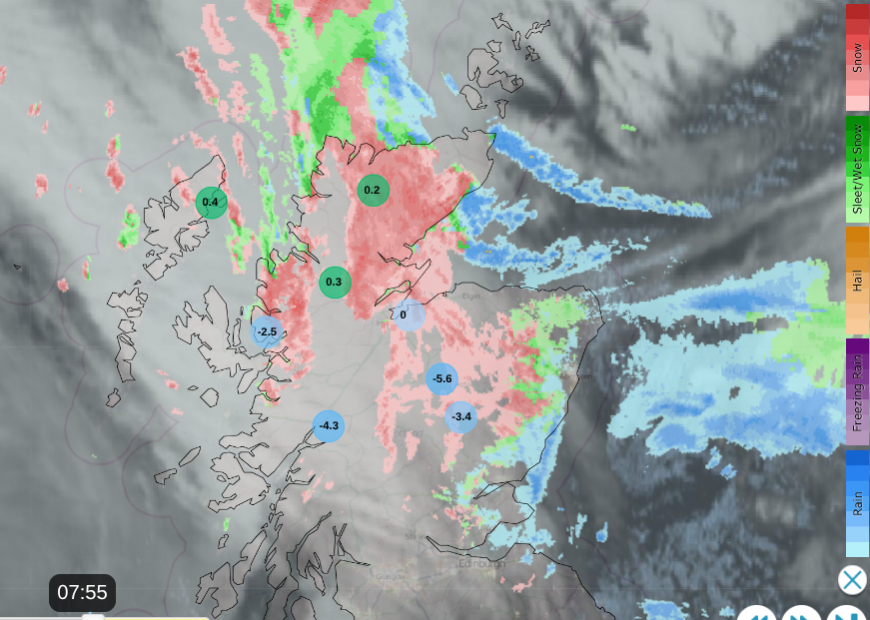
For those in deep snow in northern Scotland, there will be some easing from the deep winter conditions. Maybe enough for more roads to be cleared and deliveries to get through. For those awaiting heating oil or just getting worried, this should be welcome news. There has been phenomenal snowfall for the start of 2026 with Aberdeenshire Council declaring a ‘major incident’ yesterday. Local authority teams were focusing on vulnerable people with advice to avoid frozen pipes, reaching cut off communities and trying to support health professionals. The roads teams were joined by farmers to keep the mass of rural roads clear. There is still significant disruption to rail, road and air travel in the Grampian region and the risk of power cuts. Many schools have not reopened after the Christmas break.
What is a major incident?
Aberdeenshire Council covers a large, rural geographical area. The major incident escalation allows them “to focus attention on the emergency response, prioritise and reallocate staff and resources and work efficiently with partners to protect life, maintain essential services and support community resilience.”
“We are seeing such serious disruption on our residents' welfare, our infrastructure, such as the roads network and essential services.” Non-critical work is suspended or scaled back so that “staff can be redeployed to essential response functions.”
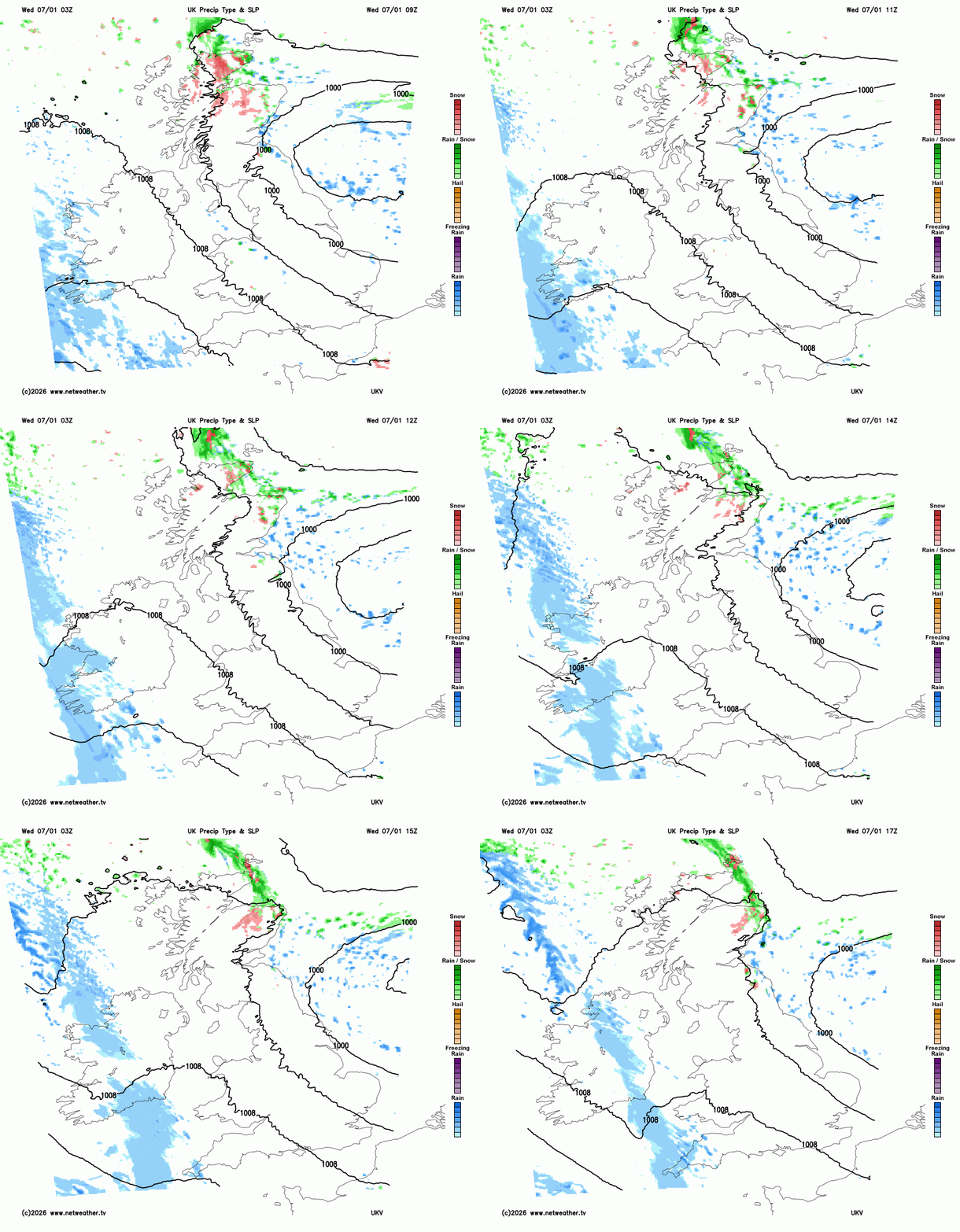
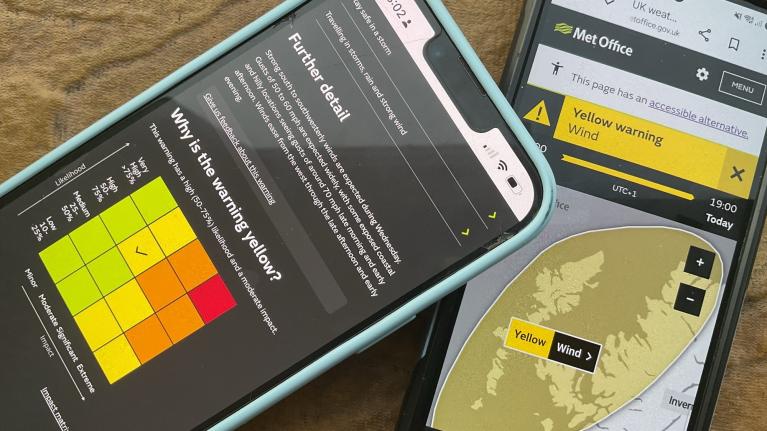
A Snow & Ice yellow warning remains across northern Scotland on Wednesday as a low pressure edges further away over the North Sea. The trailing occluded fronts will bring further snow to NE Scotland, Caithness and Orkney this afternoon with more falling snow for the evening rush hour around Aberdeen.
Much of the UK will have a quieter day after earlier concerns about ice. Even areas that have only seen a smattering of snow have a risk of ice as temperatures lifted just above freezing but then surface temperatures fell again overnight. Wednesday starts with a cruel NW wind off the Irish Sea and that will be noticeable for more of England this morning.
There has already been an increase in slips and falls in the wintry weather, with hospitals seeing an increase of broken limbs. People in snowy communities are struggling to get their usual prescriptions and there is sometimes mention of cold health alerts, extended across England. This is a specific service between the health service in England and the Met Office, which is why it never mentions Wales, Northern Ireland and Scotland. It is not a reflection of how cold other parts of the UK, as obviously northern Scotland has been in deep winter.
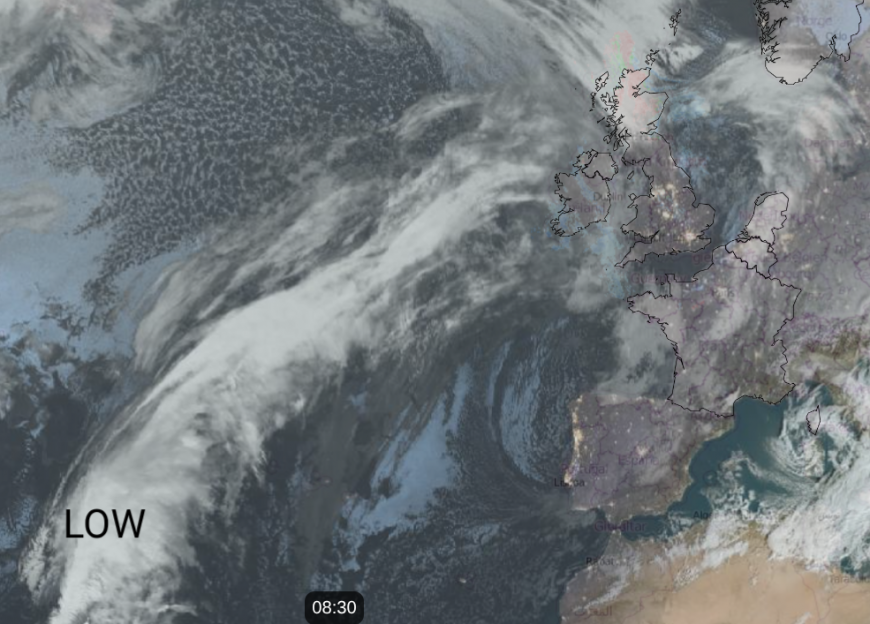
A new weather front will arrive from the Atlantic on Wednesday night. This will bring rain and sleet in from the west with snow for western then inland Scotland. However, this will become patchy overnight and shouldn’t trouble Aberdeenshire.
With a break in the falling snow, more routes should be cleared, and food and oil deliveries can recover. However it will stay very cold overnight for the rest of this week.
The focus for wintry weather will shift later on Thursday to Wales and England as a windstorm heads along the English Channel on Thursday night. This has been named by 'Goretti' Meteo France but could bring rain, sleet and possibly disruptive snow to the southern half of Britain with strong winds. More to come on this later this morning.
The advice for road users facing wintry conditions remains
• Plan ahead and avoid unnecessary travel
• All road users should consider if they really need to travel during adverse weather.
• Consider delaying travel until conditions improve
• If you are travelling on the roads, prepare yourself and your vehicle for the conditions
• Ensure your mobile phone is charged and plan your journey, including an alternative route
• Have sufficient fuel, warm clothing, food and water in case you’re delayed
Loading recent activity...