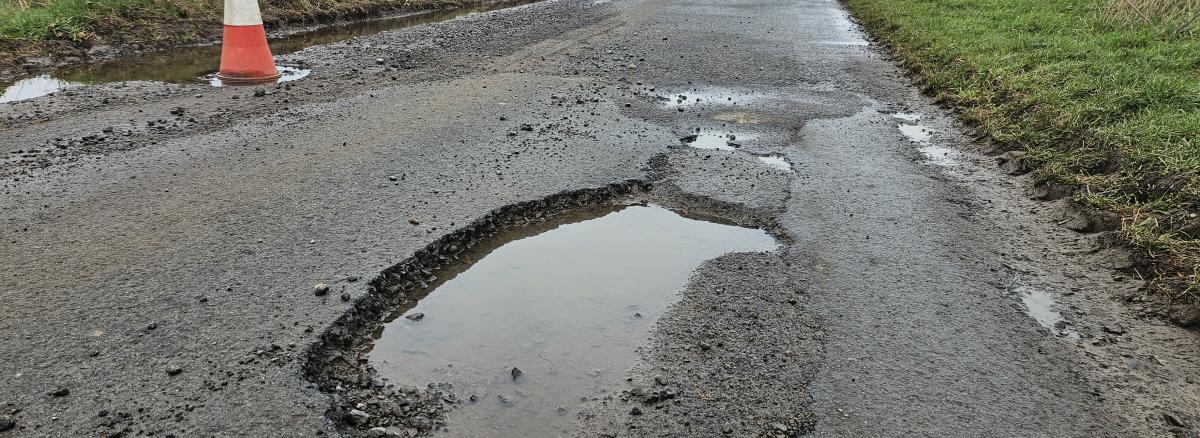



A bit like British railways, our roads don’t seem to cope with different types of weather and certainly not the extremes. Too hot, too cold and icy, too much rain leading to flooding and damage. Potholes are an ongoing issue which we might usually associate with early spring, after the ravages of winter. However, the RAC has warned this week that “this summer’s heatwaves and record temperatures are likely to cause already poor road surfaces to break down further, creating even more potholes”. Oh joy.
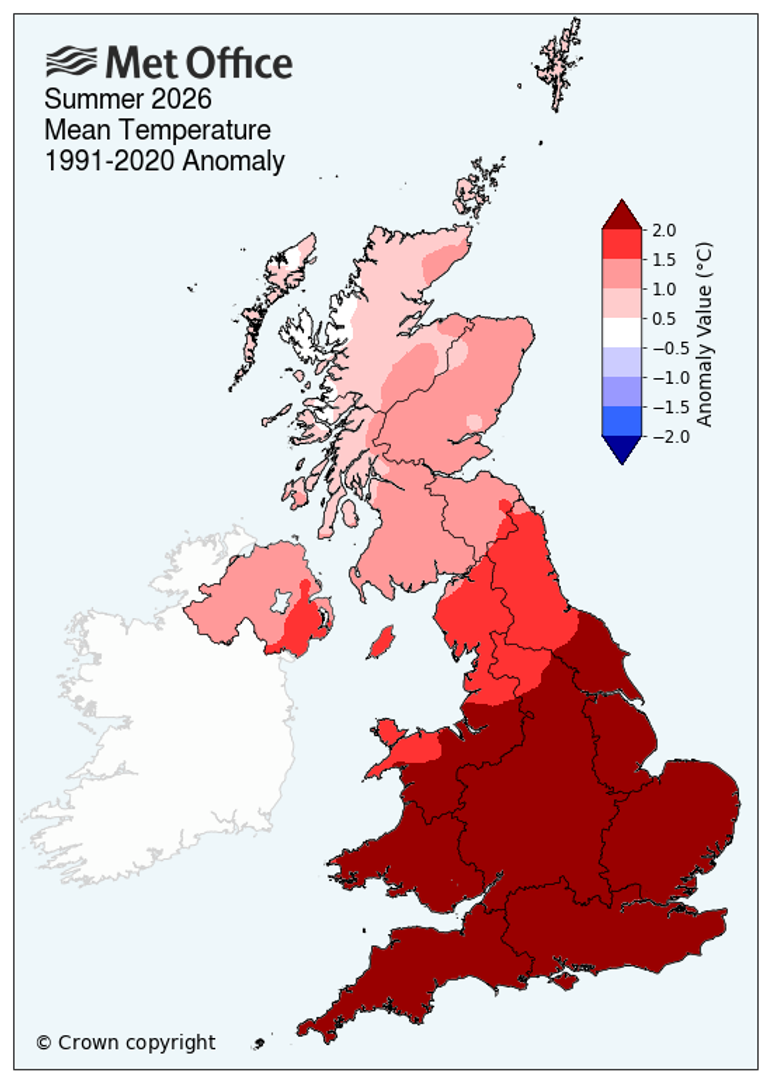
The usual problem is our cold then wet climate in the winter months. Water seeps into road cracks and then can freeze and expand, causing bigger cracks. Bits of road surface come away as vehicles drive over the weaknesses. The cycle repeats with more water ingress, freezing and thawing all the while with traffic passing by. Flooding or runoff can also erode the sides of roads and then their foundations.
Add onto all this just the weight of traffic, especially at bus stops or lorries at junctions. Just look at the road as you drive by, the patch by a bus stop is easy to spot.
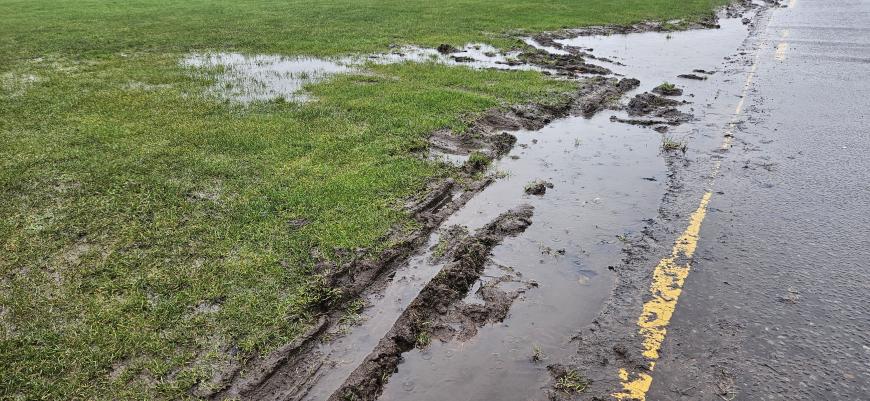
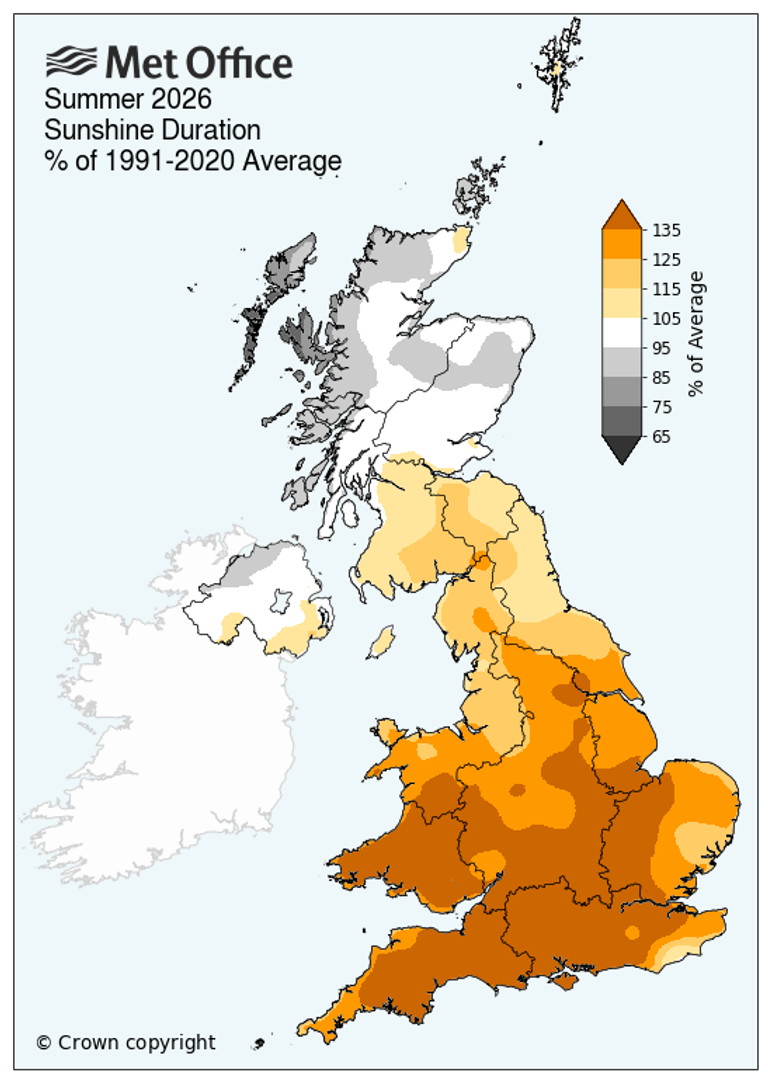
Added to these pressures now is the heat from this summer and sun’s rays. Strong UV (UltraViolet radiation from the Sun) can age the bitumen which binds the parts (aggregates) in Asphalt Concrete. 2026 has experienced the hottest summer on record. For England and Wales it was very dry and very sunny, also sunny for southern Scotland and dry in the east.
With the high UV, the roads have spent months absorbing heat from the sun, sometimes expanding. The road surface becomes brittle and can crack as it cools
RAC head of policy Simon Williams said: “As UV and heat oxidise the bitumen binder in asphalt, it becomes harder and less flexible, which leads to cracking. Then water penetrates cracks and as vehicles drive over them, the surface breaks and potholes start to appear. This is the last thing our already fragile roads needed.”
Not only can potholes damage cars and tyre punctures, but drivers often have to take evasive action. For cyclists, having to suddenly swerve can be fatal. Avoiding and navigating a route takes attention away from other aspects of driving.
After the hot and dry summer, we are beginning to see a bit of autumn rain and occasionally heavy, thundery showers. The now brittle and cracked road surfaces can deteriorate further.
The RAC Report on Motoring: “Drivers’ strong feelings about the poor quality of the UK’s roads are a reflection both of a long-term lack of investment in road maintenance and repair by local authorities, and of the road surface issues exacerbated by a particularly wet winter, and now an extremely hot summer.”
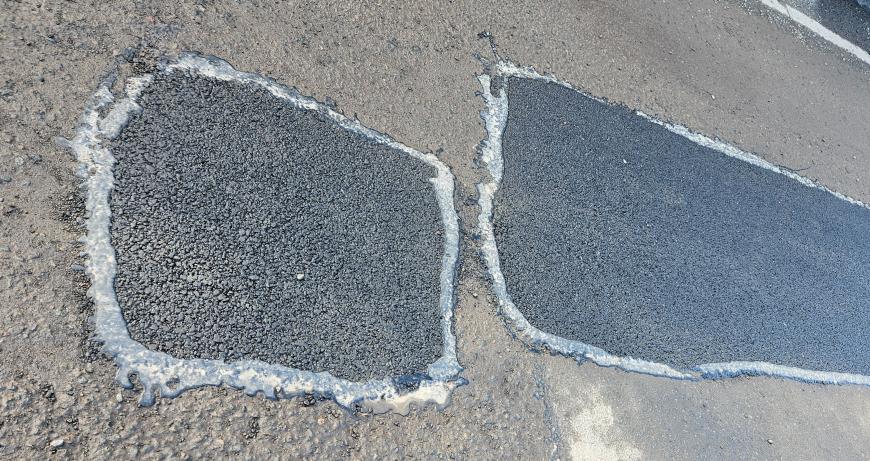
“After the exceptional heat of this summer, it’s even more important that we maintain our roads properly. We need to be surface dressing roads still in reasonable condition to keep them that way. This involves spreading chippings onto fresh bitumen binder and sealing them against the ingress of water, which is the enemy, as it leads to cracking and potholes.”
If you come across traffic lights for surface dressing, think kindly of it as you wait, warding off the potholes. As our climate changes (caused by burning coal, oil and gas, along with other human activities such as deforestation) we will see hotter summers and heatwaves, and experience long spells without rain and further droughts. Wetter winters are likely in the UK, and although they are following a warming trend, it does not exclude a cold winter with frost, ice and snow.
Of course a lot of it comes down to budgets and investment.
Back in March, the industry body that oversees road surfacing AIA (Asphalt Industry Alliance), warned that the cost of fixing all the potholes on local roads in England and Wales would be an estimated £18.6bn. The research was part of their annual report over last winter (Dec25- Feb26) so before this hot summer. AIA said that ‘nearly two million potholes were filled in over the past year, but local authorities would have needed more than £8m extra each last year just to maintain their networks at target levels and prevent further decline.’
You might do better chancing ‘leaves on the line’ and heading to the railway (if there is one nearby). The cost of motor fuel might solve the pothole issue if prices keep jumping up. There will be fewer vehicles on the roads.
Loading recent activity...