

As Europe and the UK await possible seasonal changes linked to the strengthening El Niño, other parts of the world are already feeling the influence of this potentially extraordinary event. Nigeria has launched a campaign envcouraging community and personal preparation as severe flooding has already begun. Pacific nations such as Palau are using the opportunity at COP31 to be heard. In Peru, where warm water upwelling was noticed centuries ago, and named, biodiversity changes are expected but to what extent in a very strong El Niño? The seasonal changes that tend to accompany an El Niño have already begun. The impacts being felt for some countries. El Niño influences patterns; it multiplies the risk of extreme weather occurring.
“El Niño will continue to intensify ahead of its forecast peak in December. It is likely to bring above-average temperatures to much of the globe and shift rainfall patterns, increasing the risk of drought and floods in different regions.” WMO (World Meteorological Organisation)
However, with this poised to be an unprecedented ‘super’ El Niño, there is concern about, even fear of, extreme impacts as governments and organisations help communities and businesses to prepare.
“El Niño and indeed the state of the global climate in 2026 gives new meaning to the phrase off the charts. El Niño doesn't add new heat to the planet. It releases heat from the ocean, which is the warmest ever measured. There is simply more heat available to release,” said WMO Secretary-General Celeste Saulo.
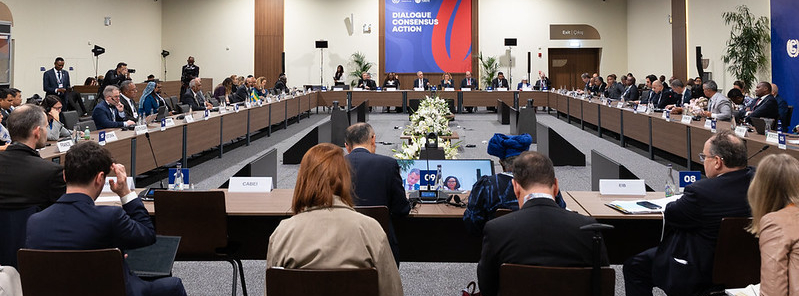
The Second Decade of the Paris Agreement: Accelerating Implementation and Access to Finance (Photo: © UN Climate Change – Kubilay Ciftci)
As tens of thousands of delegates interact in Turkiye this month at COP31, nations already struggling with climate change may face even more extreme conditions as El Niño intensifies. Asia Pacific nations have collaborative, and national, action plans back home but clear messages for the UN’s Conference of Parties.
“We need the voices and experiences of Pacific communities to be recognised in global decision-making” Live & Learn Fiji
At COP31, climate finance is a big topic. The wealthier nations are asked to contribute to a fund, as often it is the poorer nations that suffer most from our changing climate but are not necessarily the largest contributors to fossil fuel emissions. And the wait for financial help is too long.
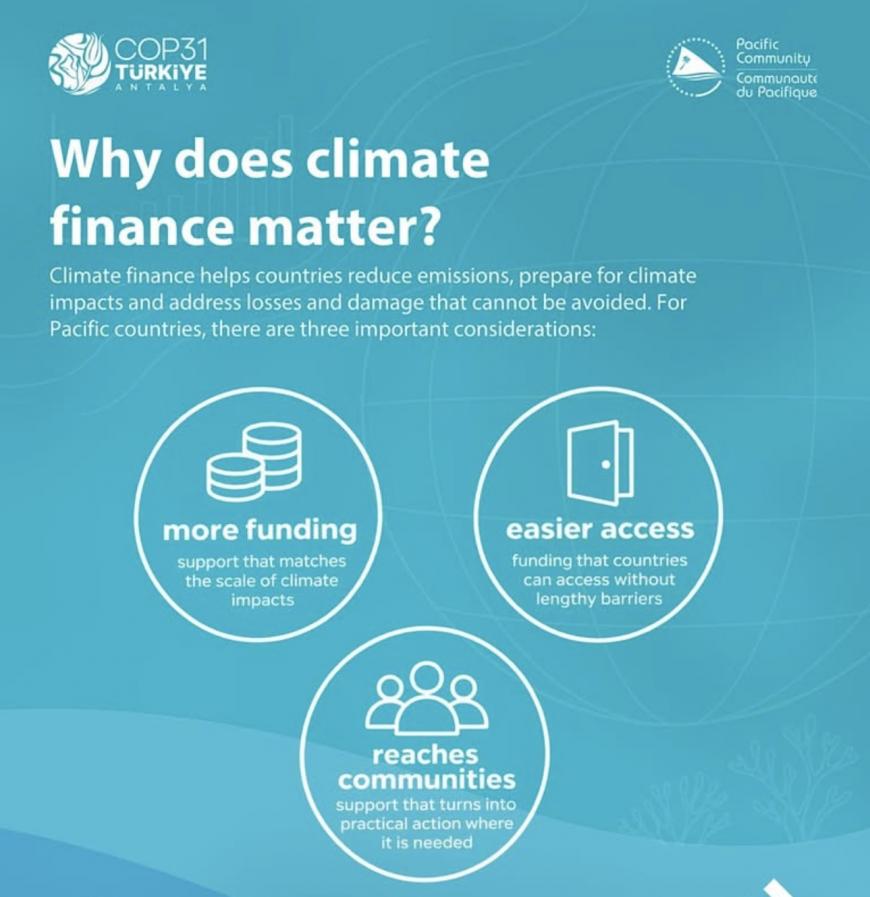
The WMO has issued an update to its annual State of the Climate report for COP31. The key messages included, the global warming, sea level and ocean heat are at record high levels, and how El Niño turns up the heat and multiplies risks.
From the Island nation of Palau, President Whipps said: “What reaches our shores today will also reach your shores.” El Niño’s effects are already happening; we are being warned, and the peak is still to come.
ENSO 'El Niño–Southern Oscillation' statement
Global Sea Surface Temperatures (SSTs) remain at record levels. October 2026 was the warmest October on record. A strong to very strong El Niño is underway, part of the long-term ENSO cycle of El Niño and La Niña.
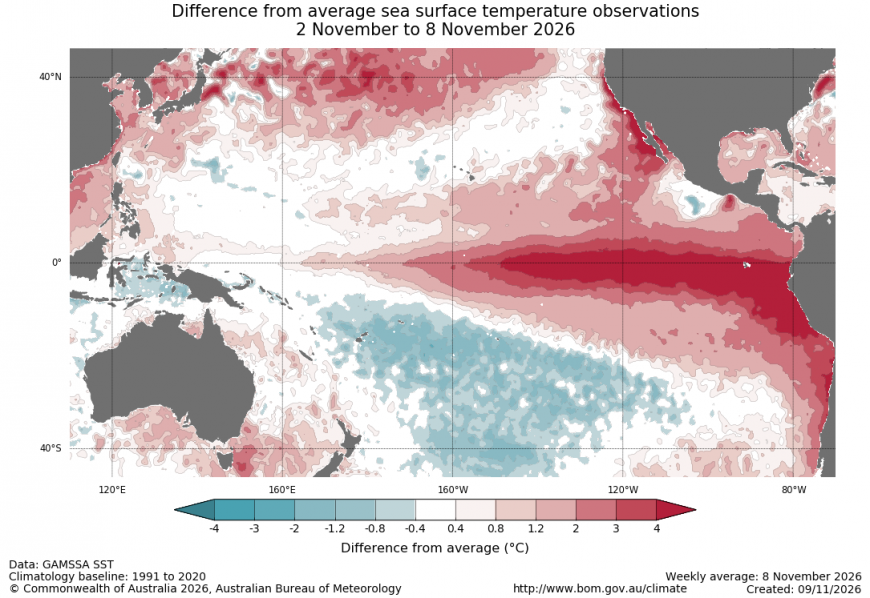
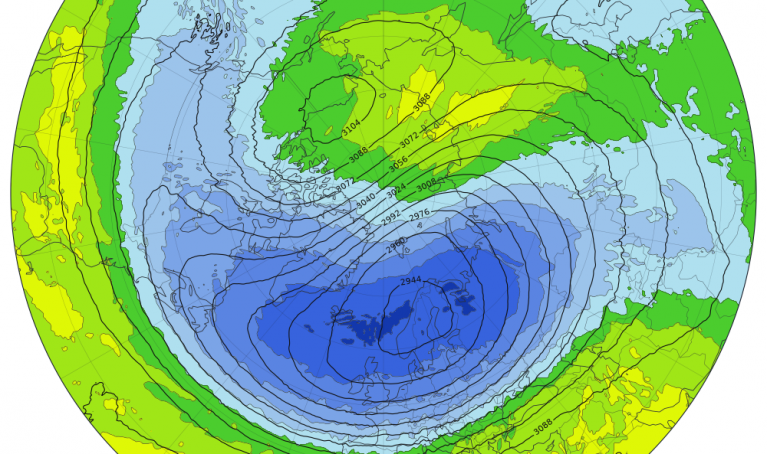
Latest Australian BOM El Niño forecast referencing specified regions 3 & 4 in the mid-Pacific Ocean. Anomalies here are what identify the ENSO phases.
"Atmospheric indicators remain consistent with a strong El Niño, including weakened or reversed trade winds. Relative Niño3.4 values are forecast to exceed the highest levels observed since reliable records began in 1950." BOM
Nino3.4 is the sea area where temperatures are monitored. This warming affects atmospheric circulation and can alter rainfall and temperature patterns across different parts of the world."
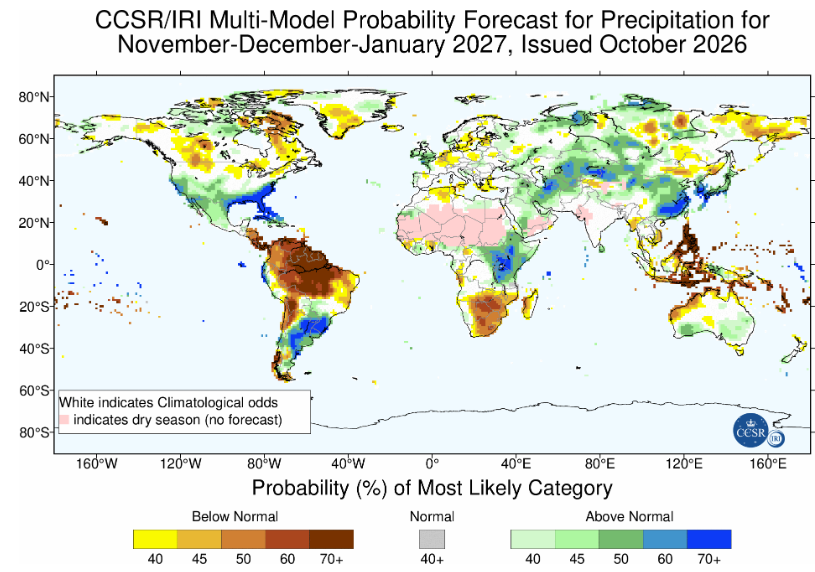
The name El Niño, Spanish for ‘boy child' or ‘the Christ child’, was used by fishermen along the coasts of Ecuador and Peru. A warm ocean current would appear around Christmastime and last for several months. Over time, the term El Niño came to identify exceptionally strong warm events as part of the ENSO cycle. This still brings changes to the lives of the fishermen but also alters climate conditions around the world.
The WMO confirmed that this event could be unprecedented in strength, with model agreement of a peak at the end of 2026 and impacts into 2027. El Niño is a climate driver, a risk multiplier. Our world is warming and El Niño brings a period of more intense conditions. This extra layer accompanies global disruption to fuel prices and political stability, along with existing drought, food and water shortages, on top of our warming climate. Certain regions around the world know what is likely to happen in an El Niño, but this super version is worrying.
Asia Pacific
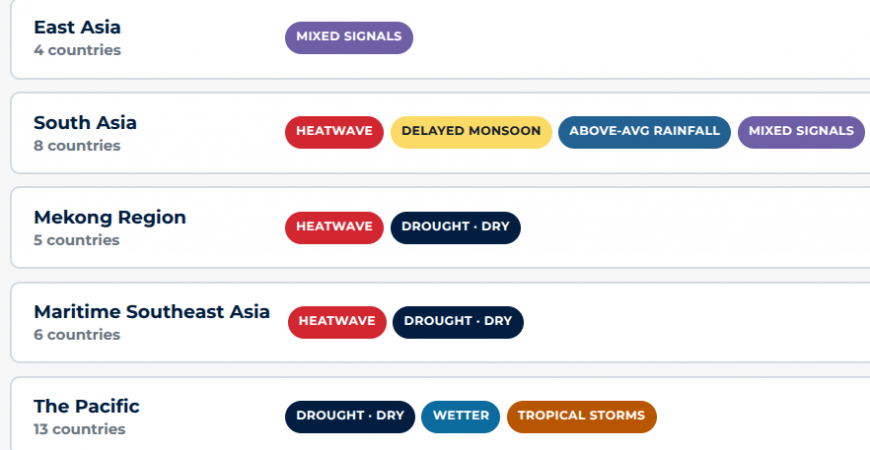
Some countries are coordinating efforts to prepare and inform. In the Asia Pacific region the upcoming El Niño is expected to bring drier weather in the NW and SW Pacific in the coming months, with concerns about water supplies. Along the equator, a wetter-than-average season is expected. Papua New Guinea, the Solomon Islands, Fiji and Tonga have already reported water shortages due to low rainfall, and higher temperatures will only worsen the drought expected in an El Niño year. For Palau and Samoa, lower than normal sea levels are expected, which expose shallow reefs at low tide. These natural barriers are already suffering from higher sea temperatures, particularly with coral bleaching.
For Japan and coastal China, there could be a wetter winter and spring. With potentially more tropical cyclones than average, the SW Pacific brings together many island nations in partnership and shared understanding and knowledge, with water security a key focus.
Nigeria
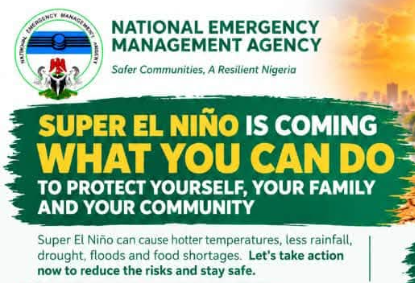
In Nigeria, the National Emergency Management Agency (NEMA) brings together departments to prepare and act. NEMA activated the National Emergency Operations Centre to improve the monitoring, collation and analysis of information on the flood situation across the country. Extreme heat, erratic rainfall and shrinking water supplies are already threatening the livelihoods of farmers and herders in the north of Nigeria.
There are public campaigns warning people to prepare for extreme heat and dry spells, reduced water availability and food insecurity. The campaigns also highlight the risk to health in the heat and the added pressure on security and public order.
"Higher temperatures, More heat, Greater risk, let's be prepared.” NEMA
Peru and South America
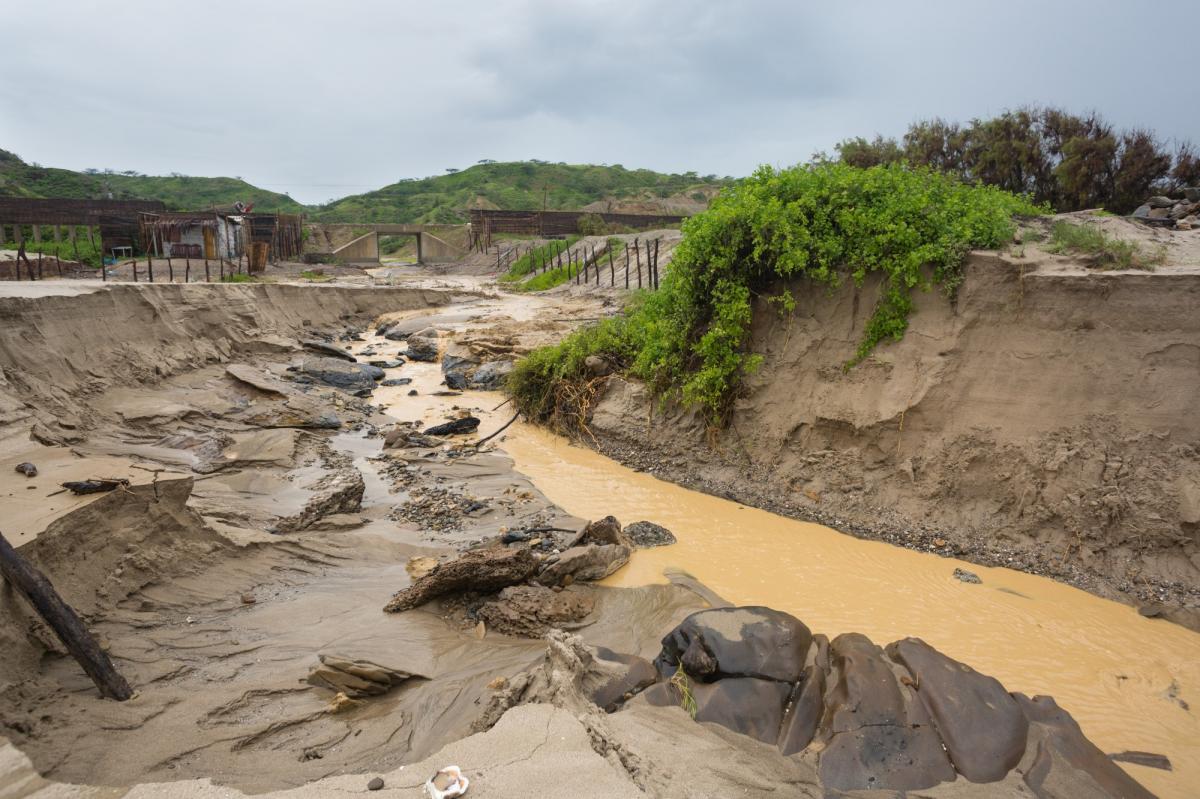
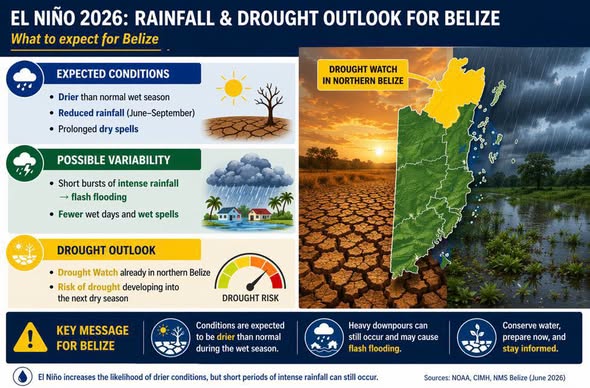
Parts of Peru are expecting heavier than average rainfall and flooding in the coming months; this could lead to landslides. The coastal impact on Peru has already begun. There are concerns about extraordinary warming of the seas off the coast into early 2027. This coastal El Niño brings coastal flooding and large waves, while other areas inland nearer the Amazon basin will be drier, with water scarcity and low river levels.
The ENFEN bulletin includes: “The anchoveta is expected to remain in deeper waters and very close to the coast, which will limit access for its predators. Given this scarcity of prey, the body condition of seabirds, as well as sea lions, will continue to be negatively impacted by the lack of food.”
Officials are continuing with disaster risk reduction plans and preparedness for imminent hazards.
In late September, the National Secretariat for Risk Management (SNGR) declared a red alert across Ecuador because of El Niño. Regions were to submit their plans to allow preparations to take place. The worst impact is expected to arrive in December in Ecuador. Colombia, Bolivia, Panama and El Salvador have all declared emergencies related to the threat of extreme weather in El Niño.
Elsewhere around the world
Countries with a high agricultural dependence are considered to be very vulnerable to El Niño disruption: Afghanistan, Bangladesh, India, Pakistan, Thailand and Vietnam. The worry is that any existing drought conditions will intensify.
The impacts in North America are expected to follow more usual patterns. In California, Democratic Governor Newsom is directing state agencies to prepare a major Highway and surrounding communities for potential El Niño storm damage, aiming to strengthen the coast’s defences. This comes after his September El Niño state of emergency proclamation, which “helps California move faster to protect communities, stage critical resources, and strengthen readiness before severe weather intensifies.” Politics weighs heavy in the US.
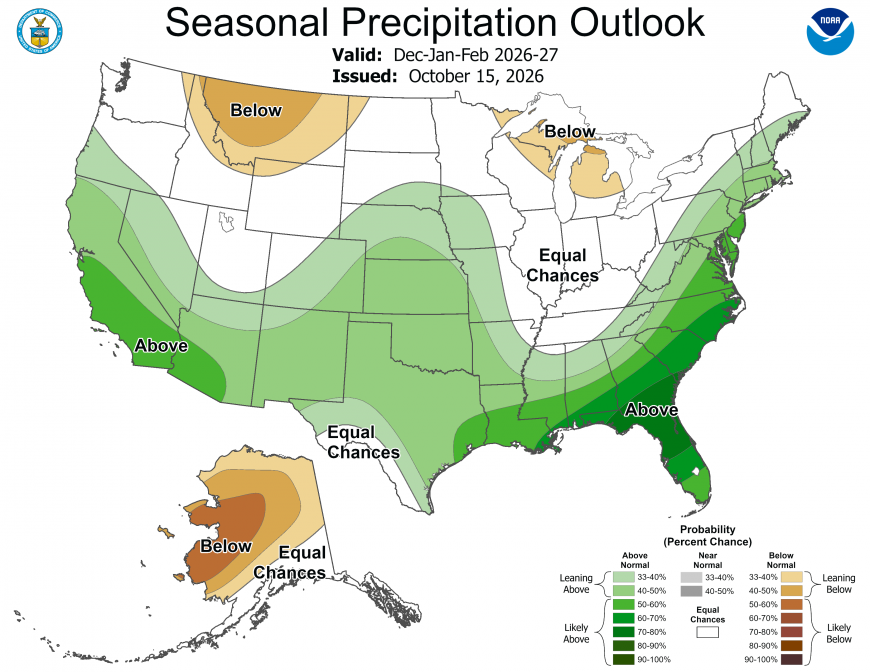
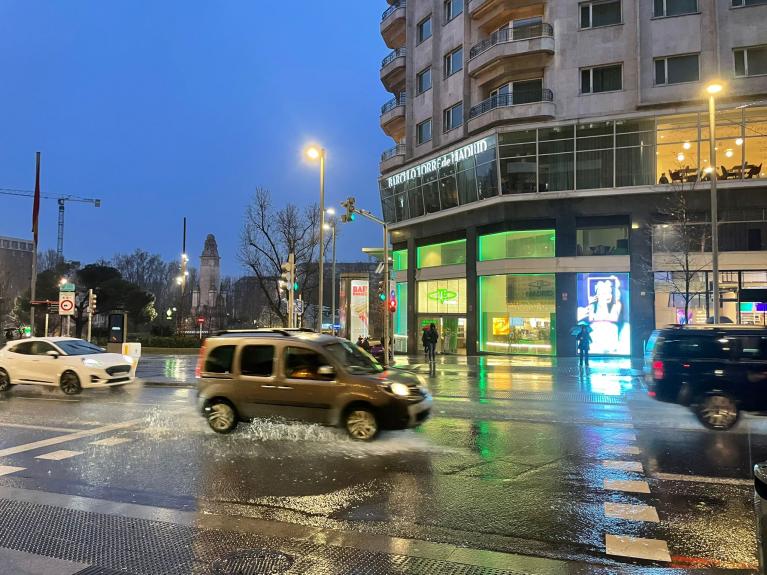
In Europe, the impacts are more indirect, but the UK Met Office did warn of an unprecedented event and a heightened risk (not certainty) of wetter and stormier conditions for NW Europe for autumn into winter 26/27. The rain is really needed after the 2026 drought in England and Wales and concerns about another hot and dry year in 2027.
Around the world, governments and agencies, farmers and emergency planners will be wondering what this El Nino event will bring: for seasonal rains, planting seasons and the summer seasons in an already hotter world.
Experience shows that ‘disaster preparedness cannot begin when the storm is approaching; it must begin before the storm.’ There has been a move from ‘Response to Readiness’ as more nations are being supported by the UN’s ‘Early Warnings for All’ groundbreaking initiative.
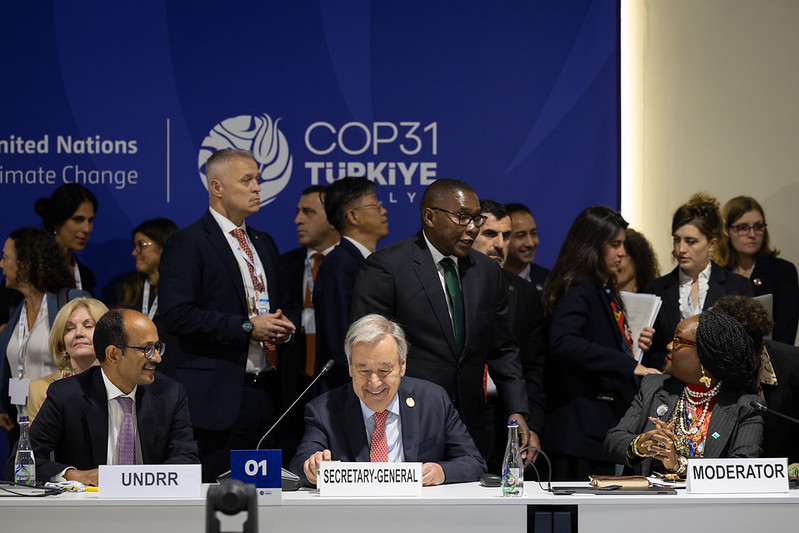
Early Warnings for All event COP31 - UN Secretary-General António Guterres and dignitaries (Photo :copyright: UN Climate Change - Kiara Worth)
Let’s hope that the science, expertise, collaboration and discussion at COP31 can 'supercharge solutions' and 'further global progress' in the words of the UN Climate Chief on the opening day of the 31st Conference of Parties in Türkiye. El Niño, the risk multiplier, is already here, with further impacts to come.
NOAA will issue its next monthly bulletin on the current state of ENSO today, Nov 12th and discuss what it expects over the coming months.
Loading recent activity...