


Last summer, there were hosepipe bans (Temporary Use Bans) and drought orders for regions of England and Wales, some of which lasted well into autumn. Northeastern Scotland experienced extreme 'Water Scarcity' following the driest hydrological year in this region since 1976, with record low groundwater levels.
Winter is the critical period for recovery. Sustained rainfall is essential to restore river flows and groundwater ahead of spring and summer, when pressures typically increase. Average or below average rainfall over winter would have meant more severe water issues for 2026.
“Some regions have endured exceptionally wet conditions, while others have been markedly dry – a contrast that becomes clear at regional level.” Met Office
Luckily, there has been above-average rainfall in some parts of the UK, which has relieved the immediate worries somewhat. The message of valuing our water resources has to continue and for water saving efforts to grow within our, and businesses, everyday lives.
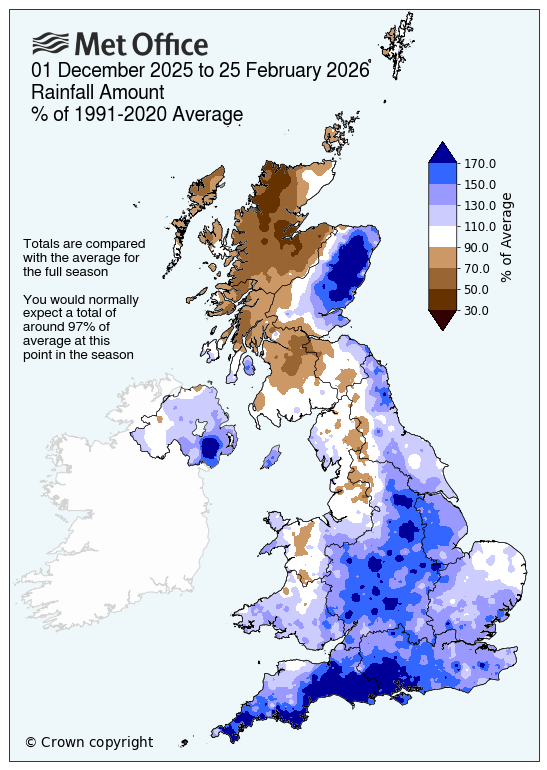
Rainfall amounts compared to average for December 2025, January and part of February 2026
An early look at the Met Office winter statistics: just how wet has it been?
Over the winter, it often felt like the UK weather had got stuck with heavy and persistent rain from slow-moving low pressures, blocked by high pressure over Scandinavia. Instead of heavy rain over northwestern Britain, it has been eastern Scotland and southern Britain seeing well over average rainfall this winter.
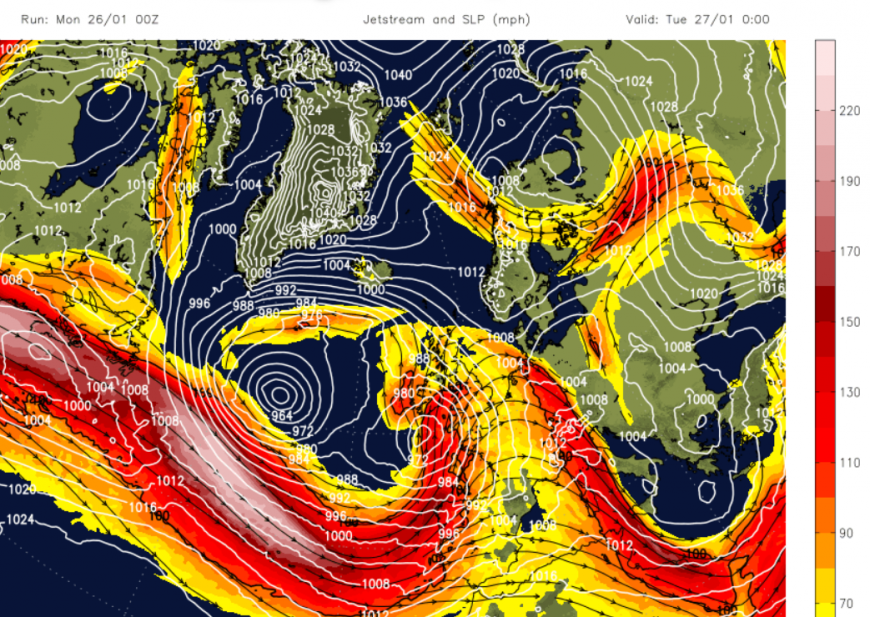
A strong and unusually southerly jet stream has steered this succession of low‑pressure systems towards western Europe. Around these surface features, there has often been an E/SE flow off the North Sea, rather than the usual southwesterly flow. Spain and Portugal have also seen above average rainfall and catastrophic flooding
The three months of meteorological winter are December, January and February, for statistical purposes. As winter draws to a close, just how wet has it been? And will it make a difference to water supplies for the coming summer?
"Wetter than average, but not record-breaking " Met Office
“Early provisional Met Office statistics show that rainfall so far this winter (up to and including Wednesday 25 February), is tracking 9% above the long-term meteorological average (LTA) for the whole of winter – wet, but nowhere near record-breaking territory.” Met Office
With a few days left in February, southern England has currently had its seventh wettest winter since records began in 1836. This ranking may change with a few more days to go and rain in the forecast. Southern England’s wettest winter was in 2014,
In Scotland, there is a dramatic contrast. Eastern areas have been very wet, with 19% above their seasonal average rainfall, whilst northern areas have been dry, seeing 34% below. Much of northwestern Britain has seen a dry winter.
.png?w=547)
“Dorset and Cornwall have both experienced their second wettest winter already, the Isle of Wight and County Down their third, and Angus, Kincardineshire, Hampshire and City of Aberdeen their fourth. With a few days of meteorological winter still to go, these rankings may yet shift.” MO
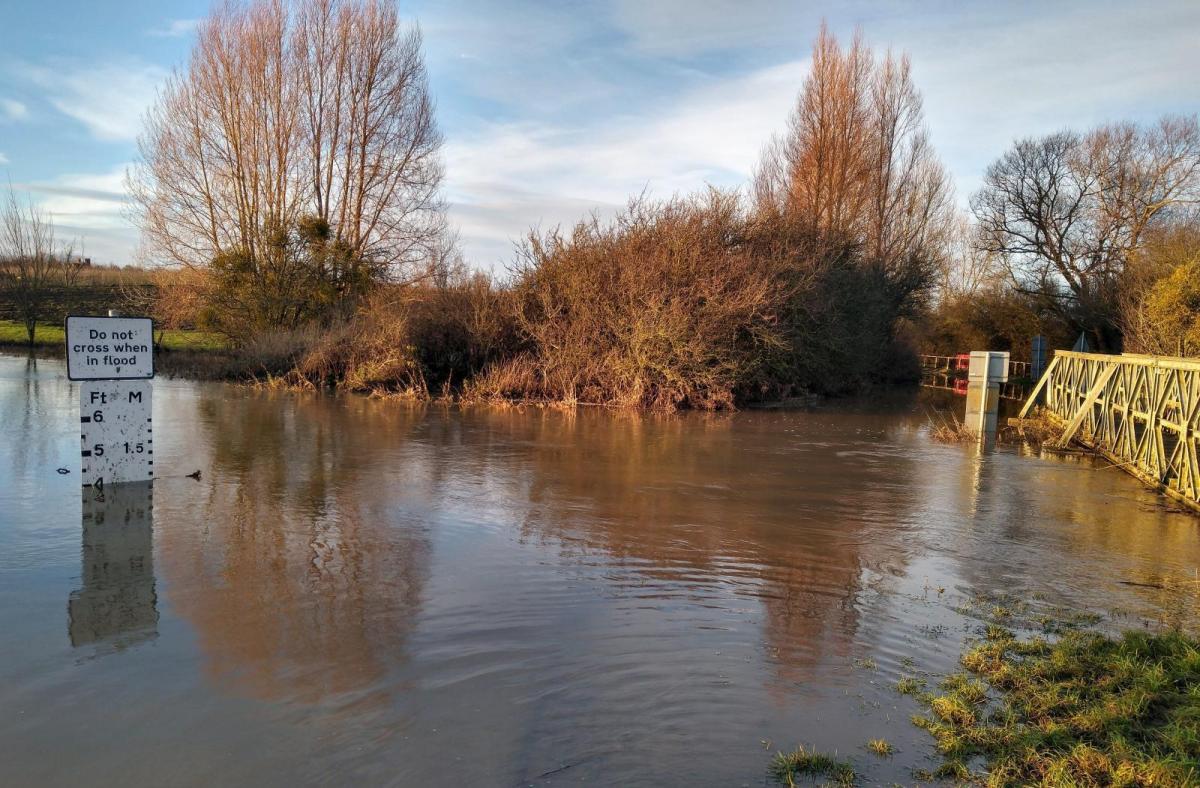
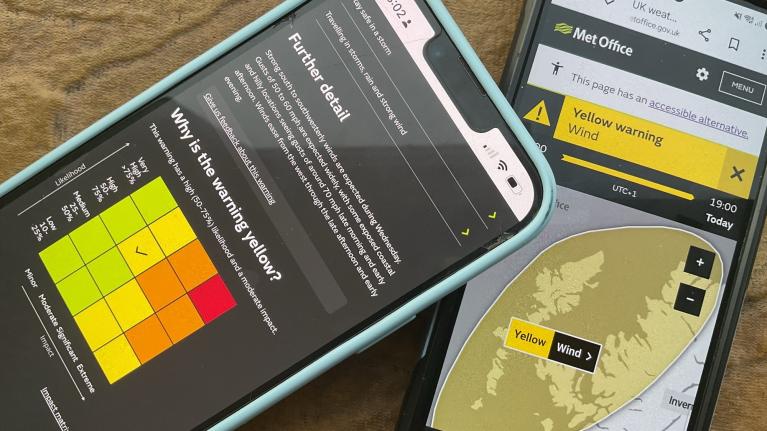
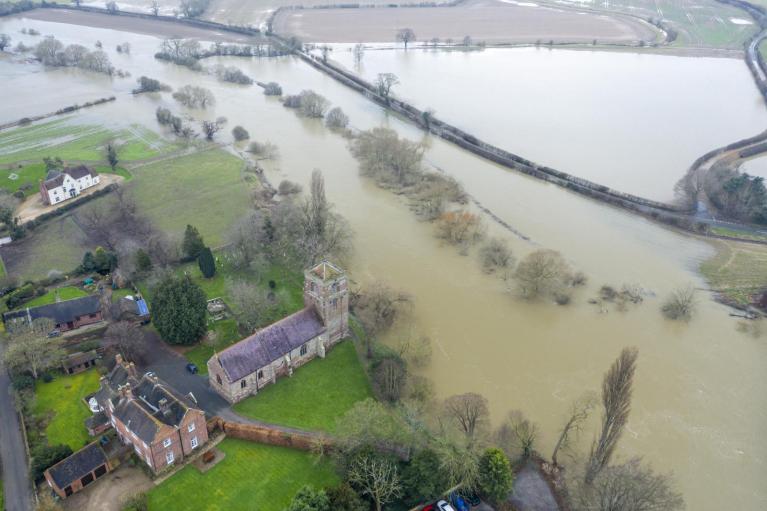
This contrast means that no national rainfall records fell even though some regions felt exceptionally wet, with storms, flooding and also the deep snow in northern Scotland. Storm Bram hit in December with Goretti, Ingrid and Storm Chandra in January.
Water scarcity and drought
The winter rains in Grampian have helped to greatly improve water resource levels in NE/E Scotland. The Backwater reservoir in Tayside has seen an increase of 64% in less than 30 days through January and February. (Scottish Water) There can be difficulties after a sustained dry spell. like in 2025. When the ground becomes so dry and hard, rain can struggle to soak into the ground, eventually just running off into the sea, even taking valuable top soil with it. In Scotland, the vast majority of the water resource volume comes from reservoirs and lochs (upland catchments). Other supplies come from using a range of sources such as groundwater (boreholes), rivers, streams and springs. Scottish Water’s collective sources are slightly above average for the time of year, with the recent recovery helping that. Private water sources are not part of this, but serve many rural properties.
How will climate change affect the UK? The Met Office expects that the UK’s weather will continue to be variable, but we will see more of these types of weather: Warmer and wetter winters, hotter and drier summers, more frequent and intense weather extremes.
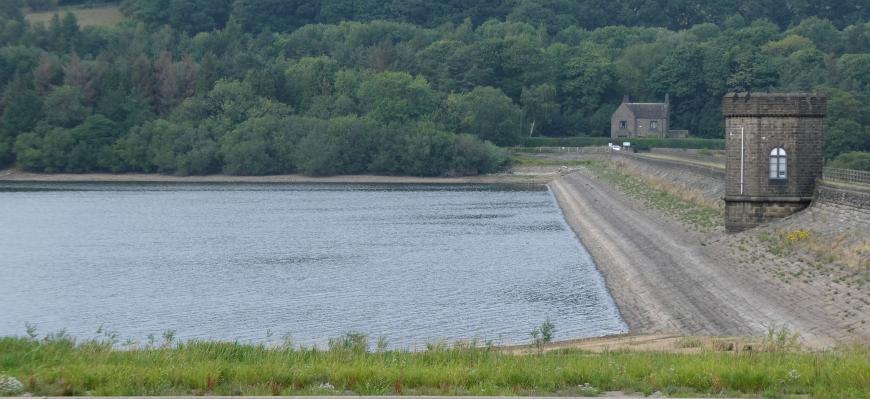
Southern groundwater
The heavy winter rains have restored reservoirs in England and Wales to higher levels. When it rains, some of the water also runs into streams and rivers, while the rest soaks into the soil and slowly makes its way deeper underground, becoming part of the water table. There has been so much rain that there is ongoing groundwater flooding. The groundwater levels are so high that water can rise up into sewer pipes and manholes, overwhelming systems that were only designed to handle wastewater. This reduces the network's capacity, bringing the risk of sewer flooding and pollution. Tankers help keep flows moving through the network. After the drought conditions, it might look like there is too much water, but is it usable?
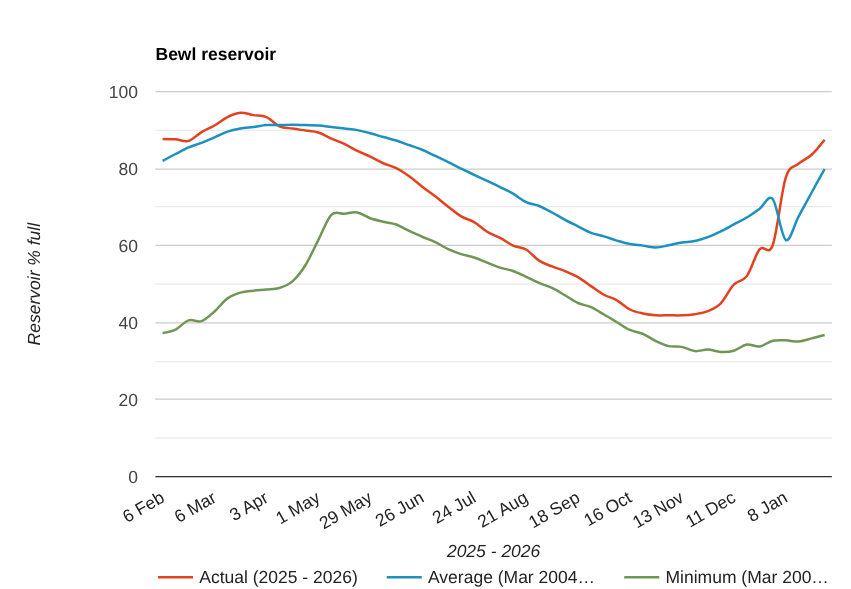
Bewl Water- Southern Water SE England
The circle of having enough falling rain, storing that water well and matching growing customer demand becomes increasingly tense as our climate changes. Regardless of stores or what is falling from the skies, water is our most precious natural resource, which is always worth saving. Anglia Water reminds us to “Love every drop”
The Met Office’s full provisional statistics for February and winter will be released on Monday, 2 March 2026.
Loading recent activity...