


Mean average temperatures so far this month have not been much above freezing over most of Britain, making it the coldest start to January for 15 years. But things are changing now, as milder air moves in from the south-west. This will be most felt across the north-west and the north of Scotland, where early on Saturday at Altnaharra, the thermometer fell to -18.9C, the coldest night of the winter so far. But by Monday, temperatures here will be in double figures, with 12C a remarkable rise of around 30 degrees Celsius.
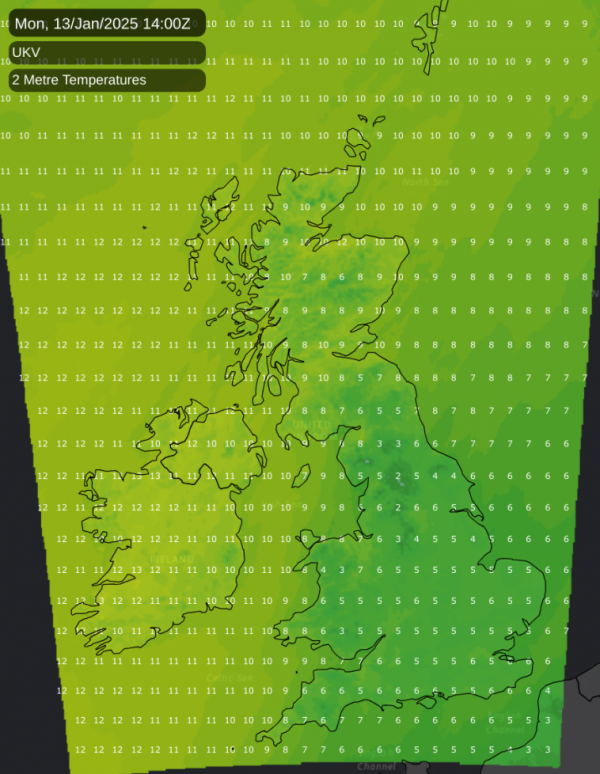
While it will take a while for the milder air to reach the east and south, the process is already beginning across much of Northern Ireland and the north and west of Scotland, bringing a thaw and some rain later. This afternoon, temperatures will reach 8 or 9C across parts of the Highlands and the Western Isles. Elsewhere, it will be mainly dry but much colder in the east and south after a severe frost, particularly towards Fife and Aberdeenshire at first, in freshening southerly winds.
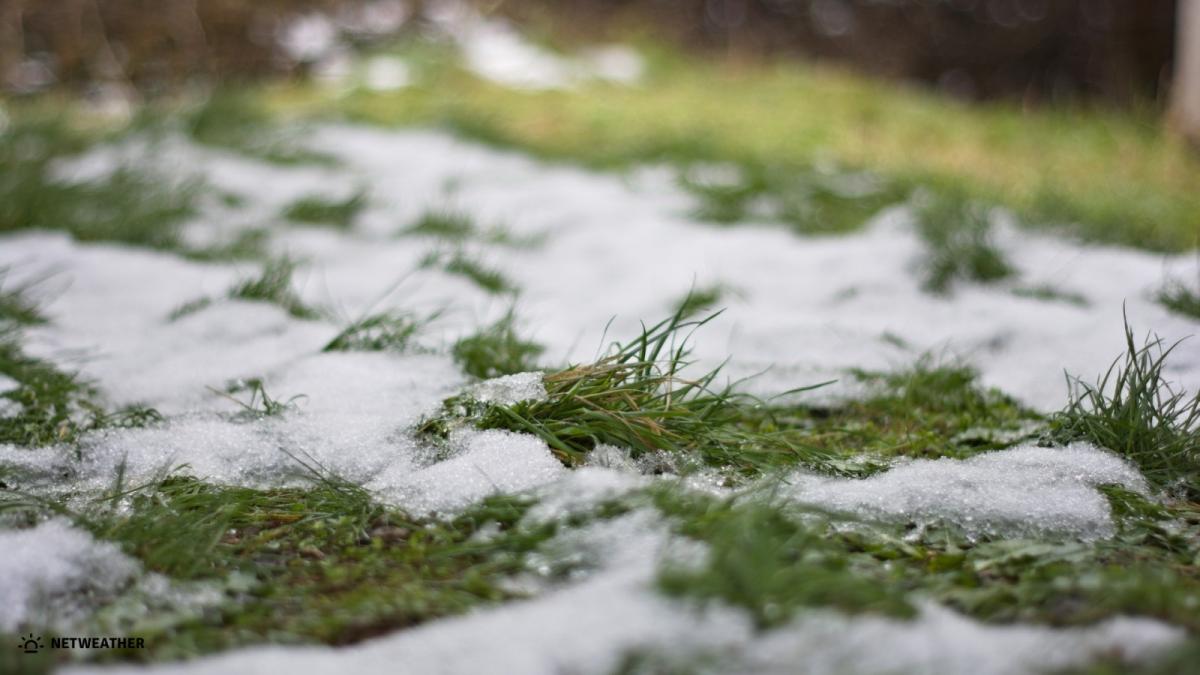
Over England and Wales, a large anticyclone is also keeping it mainly dry, with a mix of cloud this afternoon, mainly in the east, and some winter sunshine. There are also a few fog patches, and where these linger, temperatures will not get much above freezing again. But for most, 3 to 6C will be somewhat of an improvement on recent values, clearing the hoar frost and bringing a slow thaw where there is lying snow, in just a gentle or light southerly breeze.
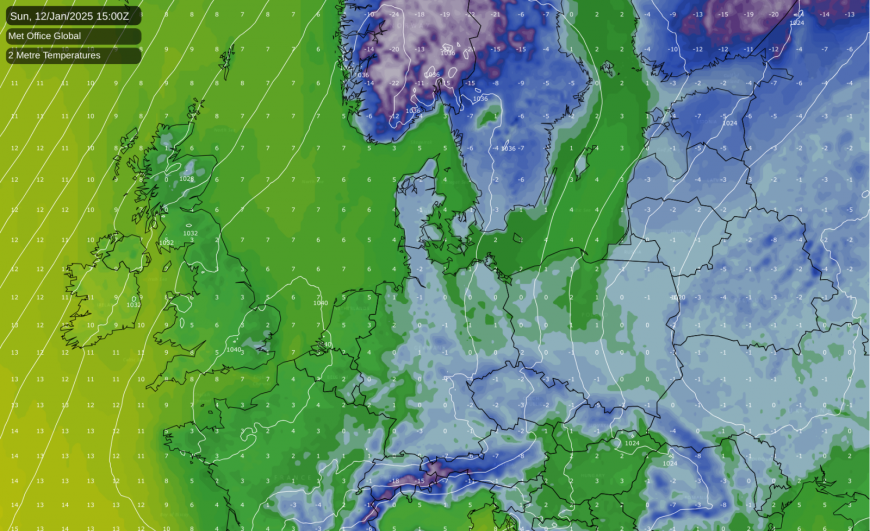
After dark, Scotland and Northern Ireland will see some rain moving down from the north-west. By morning, this could have spread to Cumbria and the far north of England, where temperatures will be slowly rising as a southerly wind continues to freshen. Elsewhere, high pressure keeps it mainly dry, with another frost expected, mainly across East Anglia and the south-east, but it will not be as cold as recently, with lowest temperatures 0 to -2C in the east and 2 to 4C further west.
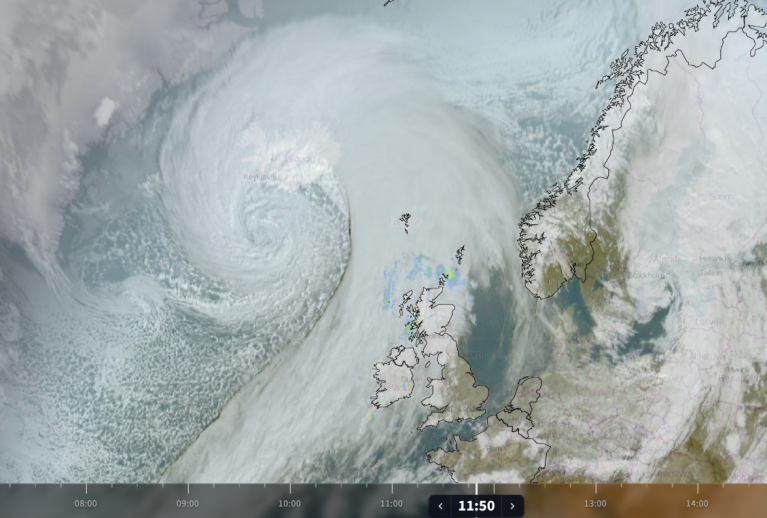
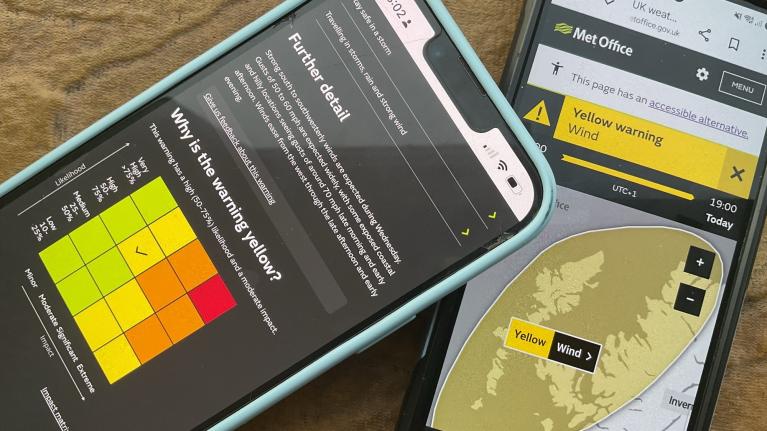
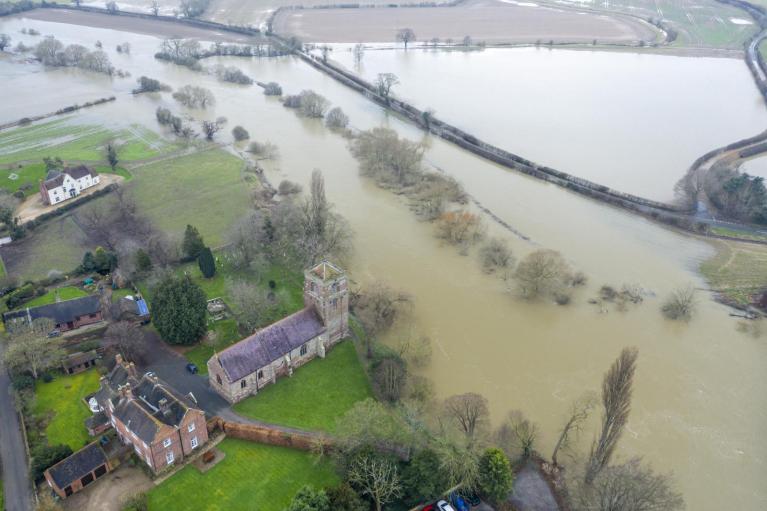
The new working week begins wet across Scotland and Northern Ireland, with the rain eventually clearing to showers, most frequent in the north and west, where gales are likely. But it will be mild in a blustery south-westerly wind, accentuating the thaw of lying snow, and this, coupled with the rain, could cause a few flooding issues. Highest temperatures here should be between 7 and a very mild 12C.
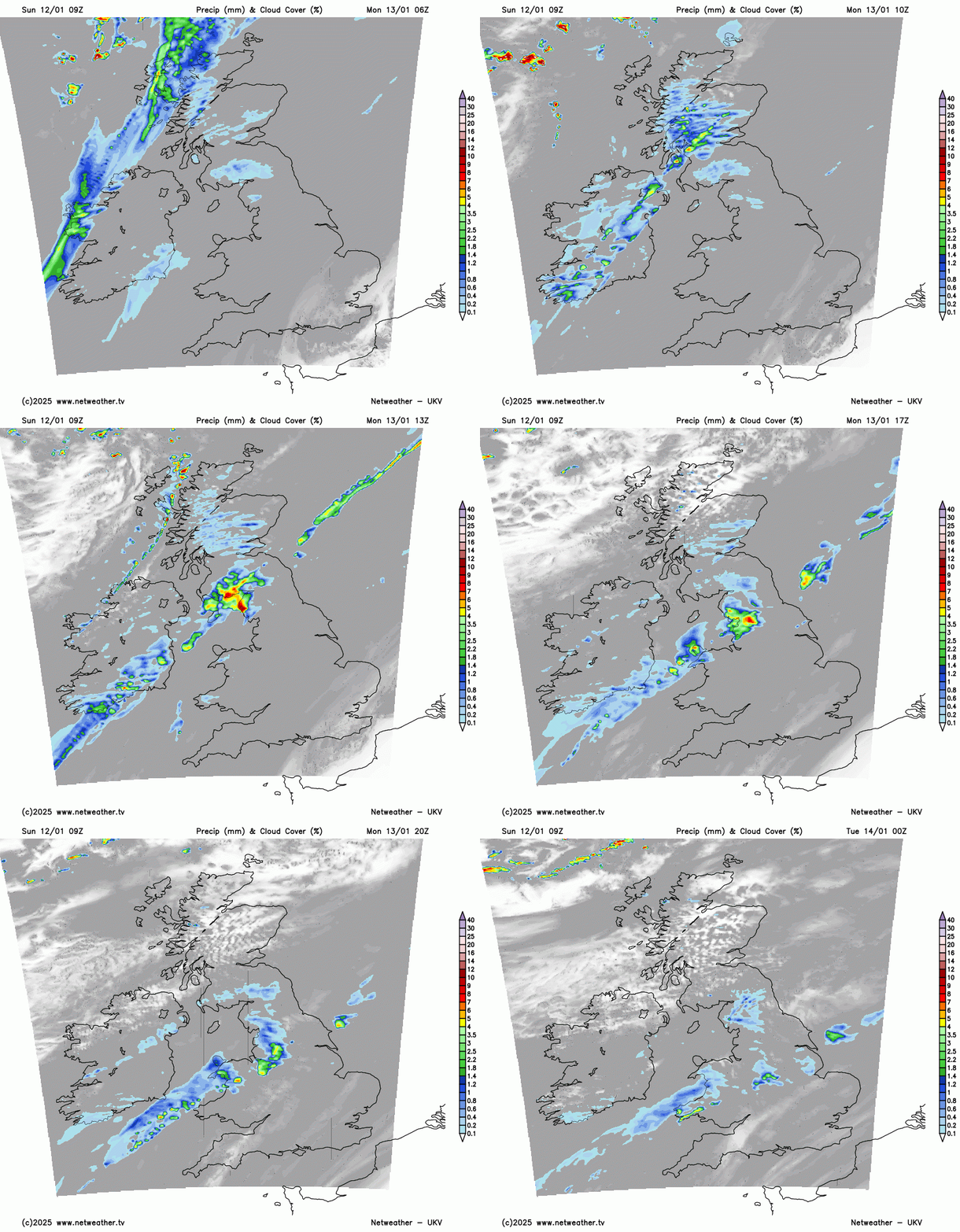
Northern England and the north and west of Wales may also see some rain on Monday, bringing a thaw, but elsewhere it should continue mainly dry in more of a south to south-westerly wind that will feel raw in the east and south. But with cold air still entrenched, particularly towards East Anglia and the south-east, temperatures here may struggle to reach 4 to 6C, with 7 or 8C more likely elsewhere.
While a touch of frost is still possible towards Kent after dark, much of the east and south should be turning somewhat milder. Here, it may continue dry, but further north and west, it will be more prone to passing showers in a south-westerly wind that will continue to be blustery in the north. Lowest temperatures 2 or 3C towards the south-east, but 4 to 8C elsewhere.
The remainder of the week should remain mild over Scotland and Northern Ireland, with further wet weather at times, especially in the north and west, in blustery south-westerly winds. But across England and Wales, an anticyclone may re-establish itself, bringing dry but somewhat colder weather in lighter breezes, mainly to the east and south, where patchy fog and frost at night may return.
Loading recent activity...