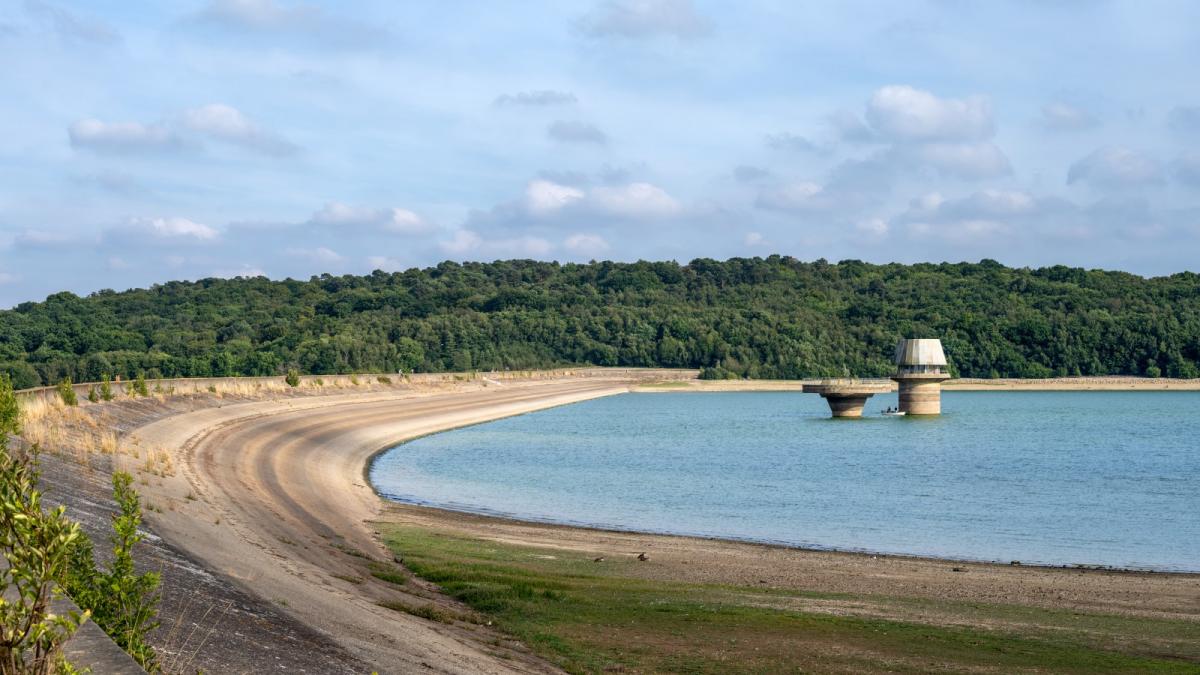



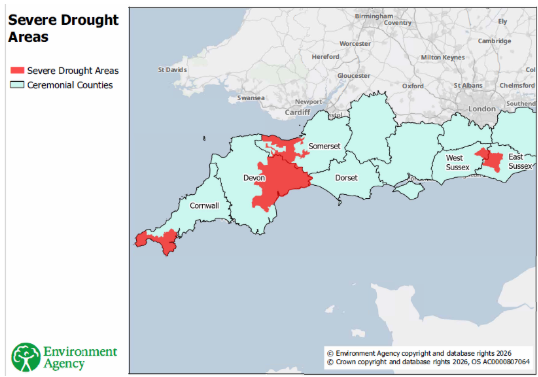
This week, ‘severe drought’ was declared in parts of Cornwall, Devon, Dorset, Somerset, East Sussex and West Sussex on October 15th. The South East and South West of England have experienced their driest April to September in over a century, impacting reservoir levels.
“Exceptional action is now needed to conserve water and protect public supplies.” Environment Agency EA
The severe drought areas relate to heightened concerns about public water supply. This is linked to two reservoirs: Ardingly, near Haywards Heath in West Sussex and Wimbleball in Somerset (Wimbleball Lake, Exmoor). This is the top level of drought management response available, as regions have moved from Normal conditions to Prolonged Dry weather, to Drought, and now some into Severe Drought.
Yorkshire moved into Drought status on 9 October due to persistent low river flows, groundwater levels and reservoir storage in the area, despite recent rainfall. The region now joins much of central, southern and eastern England in drought status – a total of around 50 million people and over 80% of England.
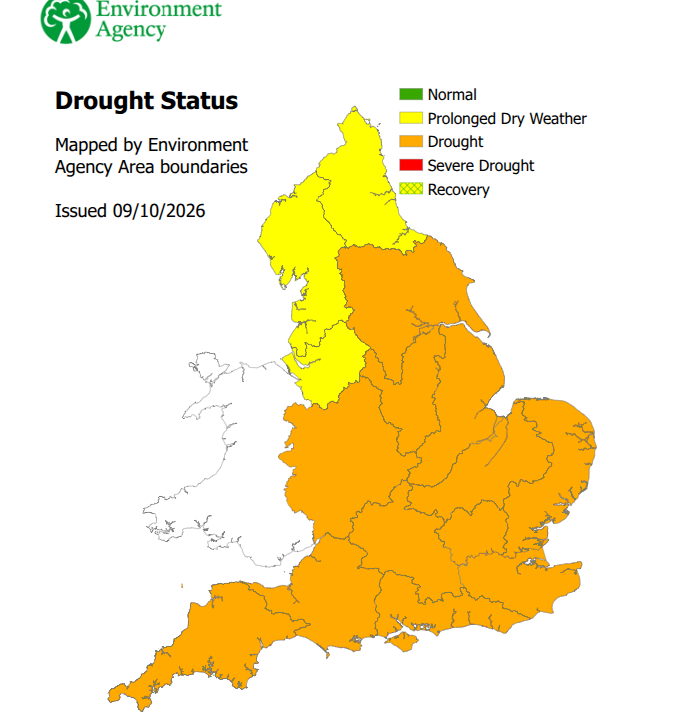
Awaiting the next update for Drought Status map in England
Severe drought is declared when the Environment Agency's “evidence shows drought is causing, or will soon cause, serious harm, and that emergency action is needed to protect people, water supplies, the environment, farming, infrastructure or other critical services.”
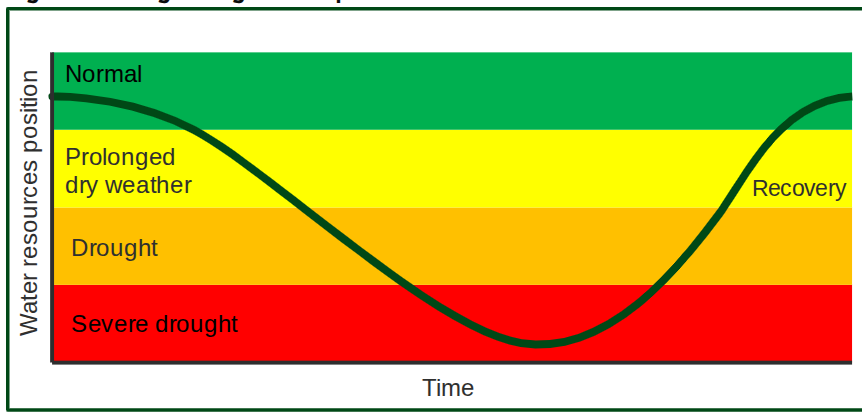
An example sequence of changing drought levels over time, with the hoped for Recovery
Environment agencies can declare drought levels, but it is the water companies that manage the response and any restrictions.
We all know that it has been very dry and hot for much of England this summer with Temporary Usage Bans (TUBs) or “hosepipe bans” appearing, followed by the more serious step of Non-Essential Usage Bans (NEUBs). While TUBs mainly affect households, NEUBs specifically affect non-household customers, which use around a third of all water supplied in the UK. These restrictions do make a significant difference to overall demand, but more may be needed for the areas in severe drought. Southeast Water has applied to DEFRA for one of these recently and the application is pending. the next level of restrictions would be an 'Emergency drought order', which could include the ‘use of emergency reservoir storage’.
The water companies have various operational drought levels ranging from 1.Minor actions, to 3.Extreme actions for severe drought, but also another level of 4.Emergency Plan, which might include standpipes.
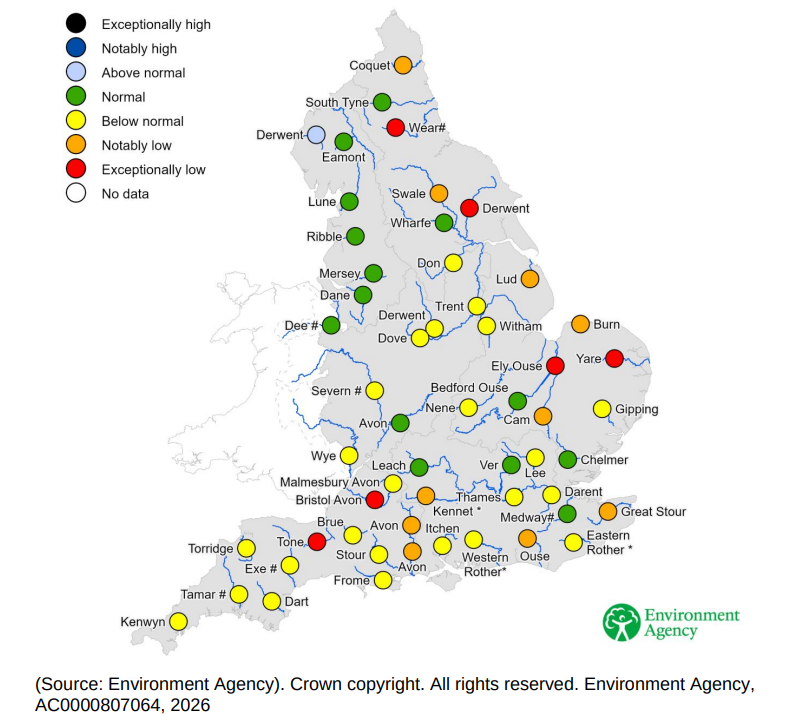
River levels 7-13th October
Although last winter was very wet in southern England, Spring in England was very dry, Summer was dry and with the hot weather there has been extra demand on supplies, and also further drying of the ground. September is now the sixth month this year with below-average rainfall in England.
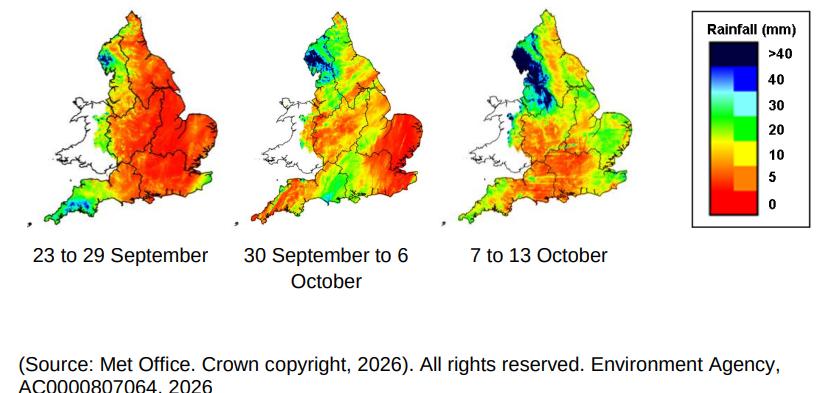
Recent rainfall amounts, into October 2026
We can keep hoping that the rains will come; that it will soon be winter and we assume that because it is the UK we will soon be moaning about wet weather. Looking back, winter 2026 was wetter than average as was 2024, but 2022 was much drier than average for southern England. Our seasons vary. If we move from this lack of rainfall over summer 2026 into another hot, dry summer without recovery from drought, the situation will be even more serious next year.
“Seasonal forecasts favour wetter-than-average conditions over the next three months. However, the recent UK Hydrological Outlook indicates that river flows and groundwater levels in the south-east of England are likely to remain below normal, because forecast rainfall is not expected to fully offset the existing deficits… Groundwater levels continued their seasonal recession across much of the UK, while reservoir stocks across England declined further, with particularly steep falls in the south west.” UK Centre for Ecology & Hydrology September review- UKCEH
If more water is kept in reservoirs for the public water supply, it isn’t in the rivers. Farmers will need more support around irrigation, and assistance will be needed for those protecting wildlife and aquatic habitats.
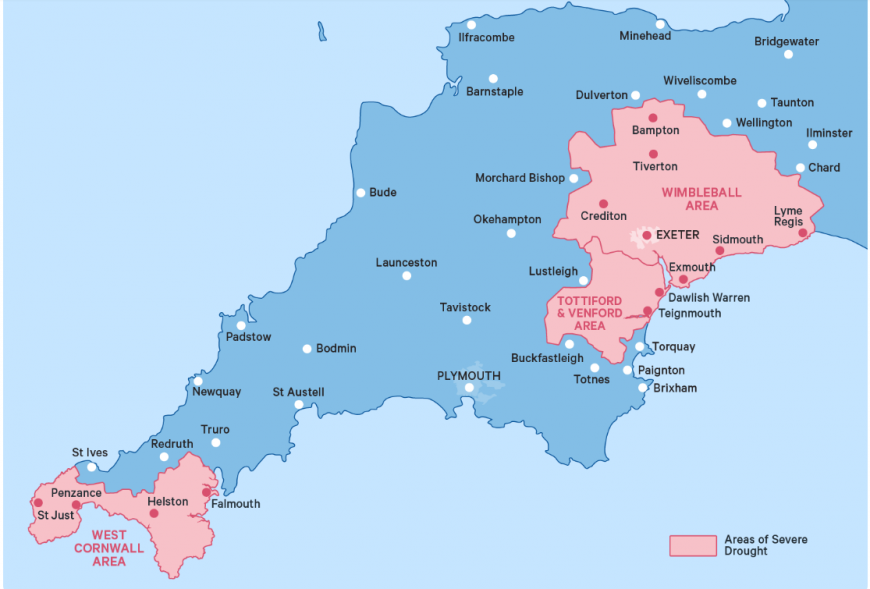
More detail on Severe Drought ares from SouthWest Water
The focus is on keeping water supplies for households uninterrupted, if possible. There are already limits on usage, and mains pressure will be reduced at times. Under pressure water companies may begin to look to others for alternate supplies. The concerns with these low water levels include possible: widespread long-term environmental damage, more wildfires, failure of crops or plants and shortage of fodder and drinking water for livestock, failure of public and private water supplies.
Southwest Water “Much of the rainwater has been absorbed by dry soil, rather than adding to river flows. We usually take water from rivers to top up reservoirs or supply treatment works directly, but river flows are still not strong enough. This means we have to rely on the water that’s stored in your local reservoir. And that water is now limited.”
Water companies could impose emergency restrictions on domestic and commercial water uses.
To recover in some areas, 120% of typical rainfall is needed over the next six months. Without it, drought conditions will continue and could worsen. “Without sufficient autumn rainfall and continued intervention measures, there is an increasing risk to water supplies.” EA
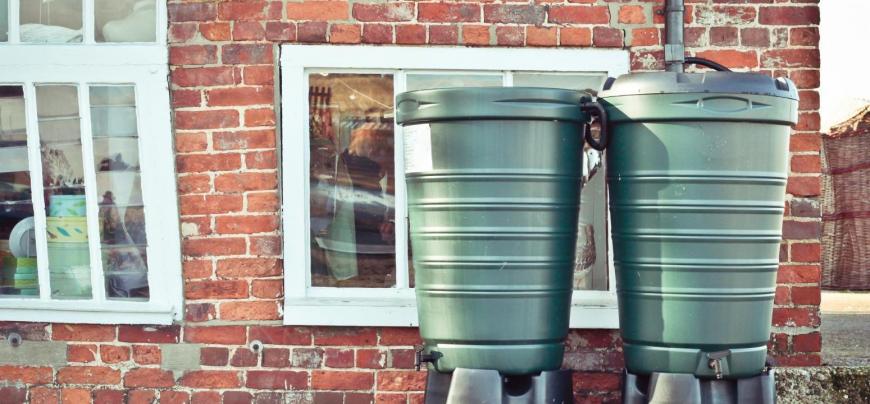
The water companies say that they want to “keep your taps running for daily essential needs”. A reminder that every drop saved at home helps protect local water resources.
You can help by capturing rain in water butts, using eco-mode on appliances, and keeping showers short. Re-using grey water, not leaving the tap running when brushing your teeth or shaving, and keeping a jug of water in the fridge rather than running the tap each time until it turns cold.
Loading recent activity...