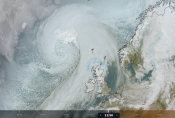



There has been a lot of wet and grey weather in recent weeks. In news which won’t surprise anyone in northeastern Britain, it has been exceedingly dull, officially. Aberdeen Dyce airport hasn’t recorded any sunshine since the 21st January. This is provisionally the longest ‘sunless’ period here since records began in 1957.
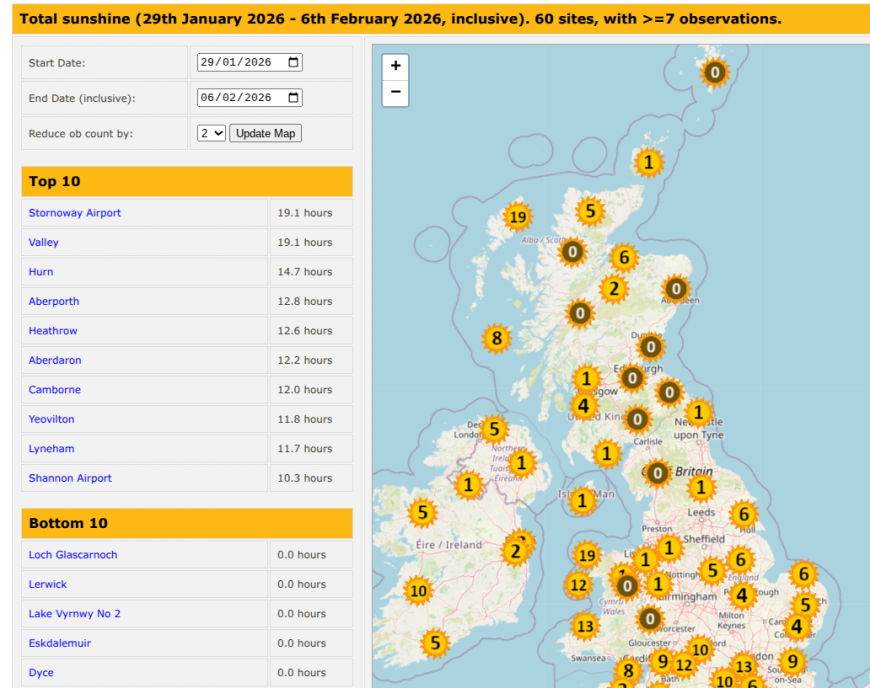
Starlings Roost Weather- sunshine data from 29th Jan to 4th Feb 2026 (hours)
It has really been grim in parts of northern and eastern Scotland. Lerwick on Shetland has not seen any sunshine for over a week. Boulmer and Leeming in NE England have only recorded half an hour. Nobody expects much from February, but having so little sunshine and so much dull, damp weather is quite a chore. For those who can’t, or don’t want to, venture out in such weather, 2026 has been difficult, especially for northern Scotland, with a week of deep snow to start the year, then this endless rain coming off the North Sea in a chilly onshore flow. Thinking back to the icy start to the year, there are still folks having to put up with broken arms or hips whilst looking out at the gloom. At least it is getting lighter (when it's not raining) around teatime. Spring will soon be here.

Coastal damage 2026
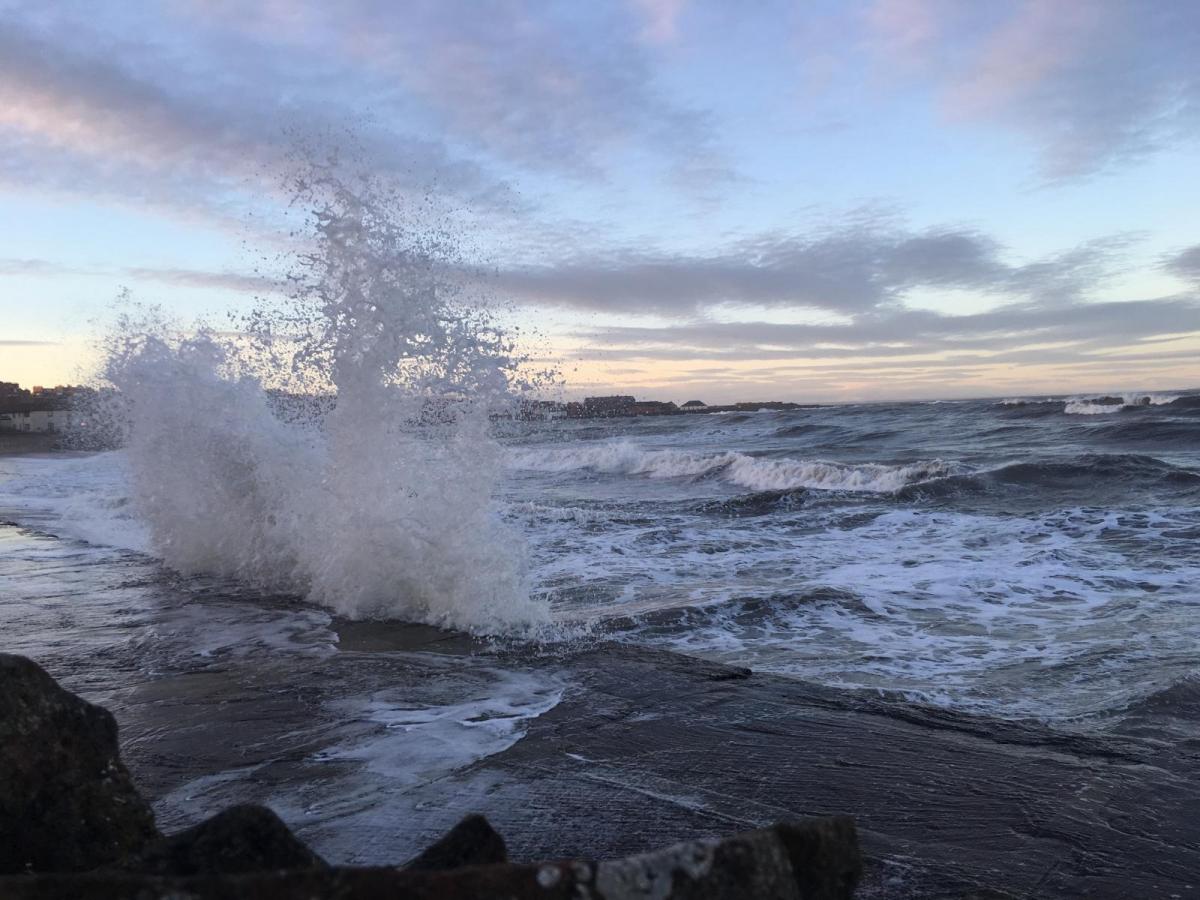
There has been a lot of damage this winter around our coasts. In Sussex and Kent, there has been damage to beach huts earlier in January, with debris on the beaches from toppled shipping containers. Part of Teignmouth's historic pier was washed away during Storm Ingrid with further damage along the coast.
In Devon, part of the A379, connecting the villages of Torcross and Slapton, near Dartmouth, broke apart. Its sea defences were destroyed and a car park swept away into the sea. Devon County Council has warned that the damage to the A379 could cost "tens of millions of pounds" to repair.
In Swanage, Dorset, the lower High Street was closed on safety grounds by the coastguard in late January as Storm Ingrid brought huge waves in, battering the coastline, not long after Storm Goretti. Sand, seaweed, and rocks were thrown right across the road and towards the town centre. There was a repeat performance in Storm Chandra. There had been plans for a flood defence scheme along the seafront in autumn 2025, as it is exposed in more E/SE flows.
Many beaches have not just seen damage and erosion but changes to shingle or sand amounts in the unusual southeasterly, rather than southwesterly, push.
At Plymouth University, Professor Gerd Masserlink (Coastal Morphology) is Head of the Coastal Processes Research Group (CPRG), is one of the world’s leading authorities on the coastal impacts of extreme storms.
"This is going to become increasingly common," Masselink said of the erosion seen at Torcross and Slapton beaches.
"We have climate change and rising sea levels, which is making the impact of storms more pronounced…So, we're going to see increased flooding, we're going to see erosion on beaches that used to be stable. We're going to see increased erosion at beaches that are already eroding."
"We can't keep defending coastlines for the next 20, 30, 40 years. Unless we start casting the whole coast in concrete, we have to start retreating."
And more widely around the coasts, sea defences have been pounded in the southeasterly flow from the North Sea, and along Channel coasts of southern Britain. Also in Ireland there has been disruption on the rail network with overtopping and debris on the Dublin to Rosslare line, even coastal flooidng to platform height at Salthill, Co. Dublin.
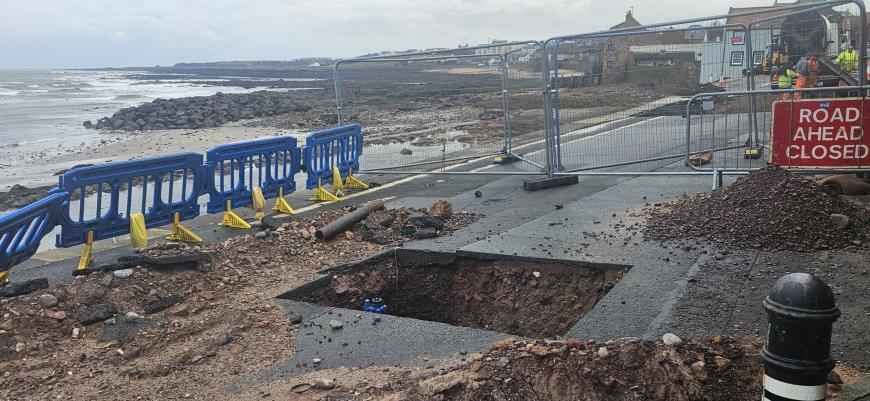
A small section of a sea wall in Dunbar, East Lothian, failed with yet another sinkhole appearing. This was the week before the 2026 Flood Resilience Scotland conference in Edinburgh, which considered many topics and issues, including coastal erosion. One speaker posed the question, “ Is it time to let the water in?”
This is an uncomfortable thought for those living by the coasts, and along rivers which flood regularly, but Councils and governement departments are strapped for cash, as our global climate continues to warm.
Wish you were here?
If you are fed up with the wet and gloomy weather, don’t go wishing that you were on holiday in Iberia. Spain and Portugal have been bombarded by wet and wild weather this year with historic flooding.
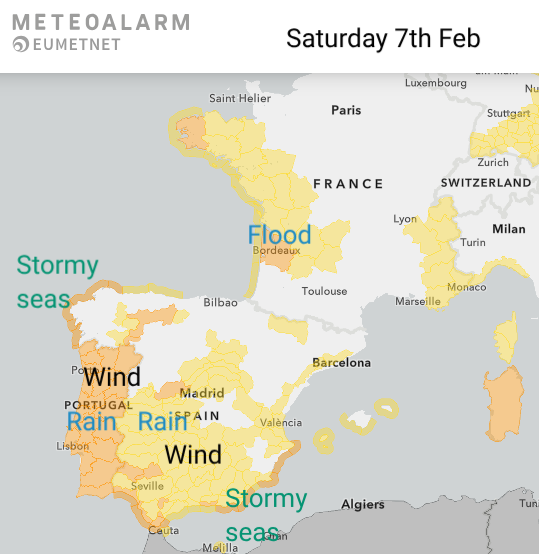
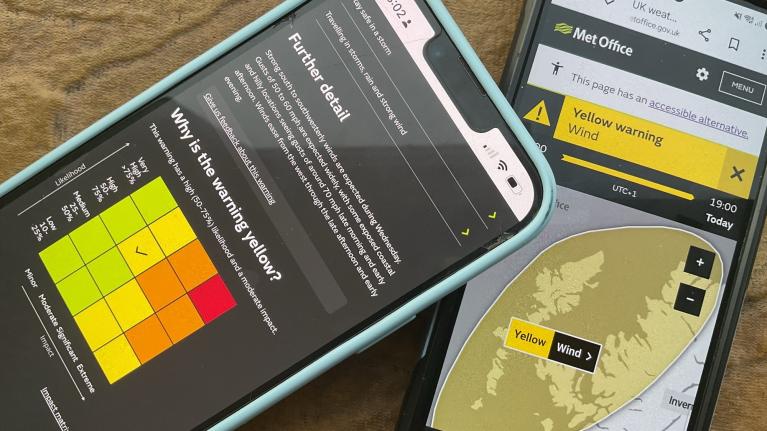
Amber and yellow warnings for Marta: wind, rain and coastal event
In Portugal, the government has extended its state of emergency until February 15th. The announcement was made on February 5th by Prime Minister Luís Montenegro as yet another named storm heads in for the weekend, Marta.
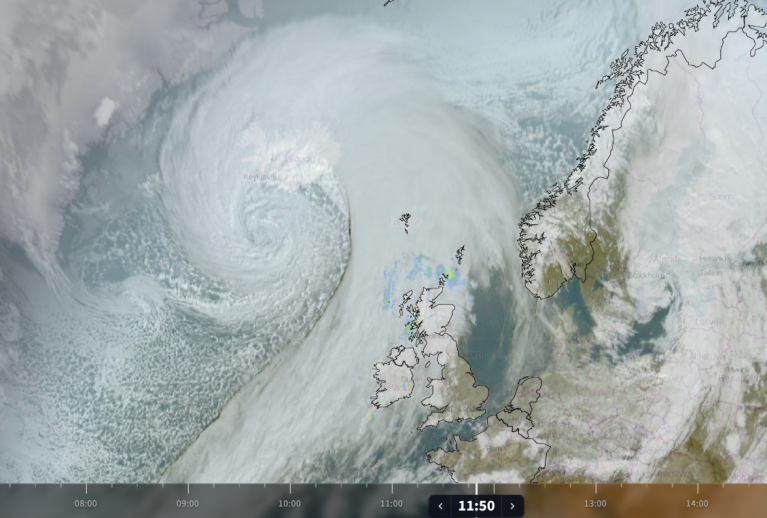
Just over a week ago, central and northern Portugal was hit by a destructive windstorm, Kirstin, which led to power outages, fallen trees, broken roofs, school closures and gusts over 100mph. Mobile and internet connections have been patchy since the storm. Following this, there has been an atmospheric river of heavy rain linked to Leonardo (which has also been responsible for more wet weather in the SW and NW of the UK, along with wild seas around Ireland)
“The current event (Leonardo) is characterised by widespread, prolonged rainfall, with the greatest concern focused on slow‑responding river catchments.” Met Office
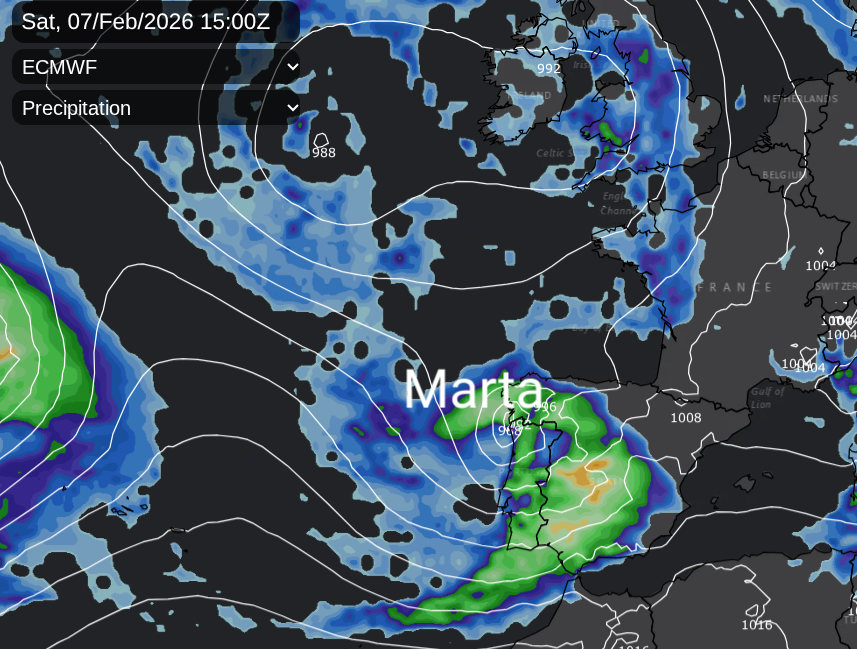
To have another significant low pressure heading in from the Atlantic is the last thing that emergency responders and authorities need across Iberia and in North Africa.
El País reported on 6th - More than 100 roads closed, 7,000 evacuated and displaced, and trains suspended in Andalusia with more rain expected as Marta arrives on Saturday. With the risk of further flooding and landslides (and the recent rail incidents) there have been lots of cancellations and travel disruption.
Loading recent activity...