


We have a new week, a new month and new batch of weather warnings. Southwest England will see a zone of frontal rain by Monday evening, which will edge northwards into Wales and more of southern England overnight. The rain warning lasts through rush hour on Tuesday, with Dartmoor seeing possibly 30 to 50mm. Meanwhile in northern Scotland thoughts turn to snow.
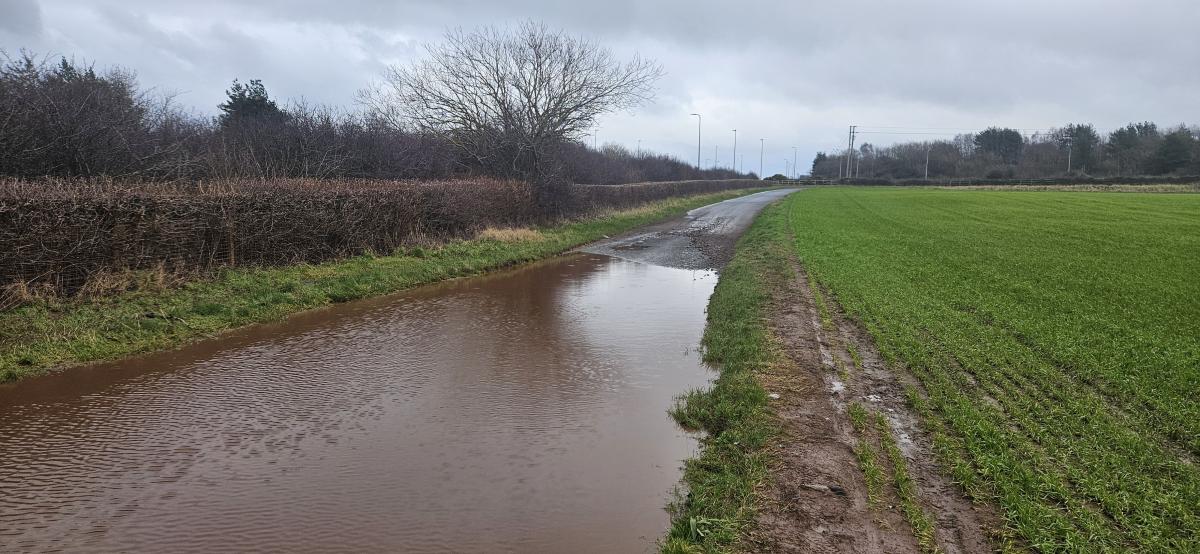
“Further rainfall on Monday and into Tuesday may lead to some flooding and disruption” MO SW England
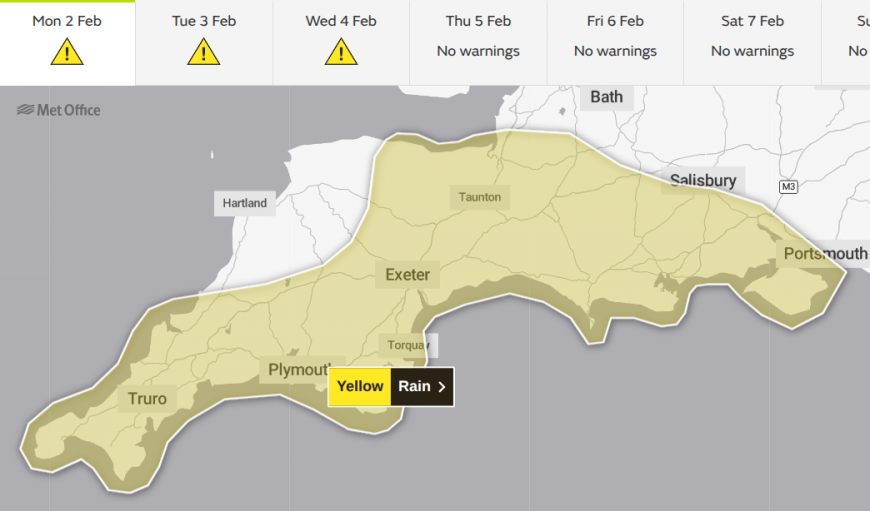
Met Office yellow warning for Rain Monday evening through Tuesday
It is Groundhog Day in North America. This tradition links to Candlemas and European history, but it seems unlikely that any animal or anyone is going to see their shadow on February 2nd in the UK. However, that said, NW Scotland has been faring quite well in this southeasterly setup.
For today into Tuesday, an easterly flow will push the moisture-laden air against the high ground of Dartmoor and the Brecon Beacons but create a rain shadow to the W/NW. This is orographic uplift (or enhancement), when air is forced to rise by high ground. It cools and the water vapour condenses into clouds, cools further and then it rains (or snows).
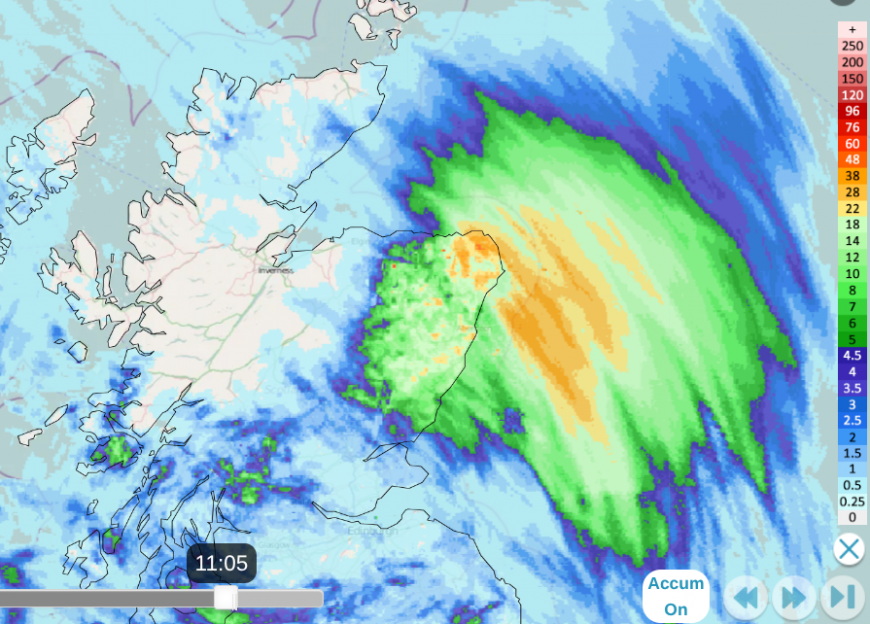
Netweather Radar 24 hour rainfall accumulations to 11am on Monday 2nd Feb.
The same process has been going on for NE/E Scotland for over a week with moist air from the North Sea coming onshore and forced up by the Grampian hills and mountains. The word ‘dreich’ has been used a lot! And there is more to come, with a cold air twist.
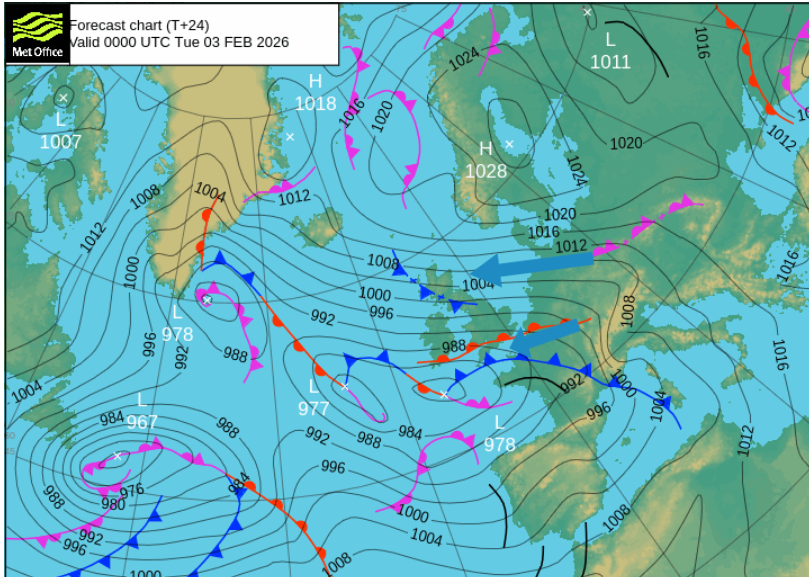
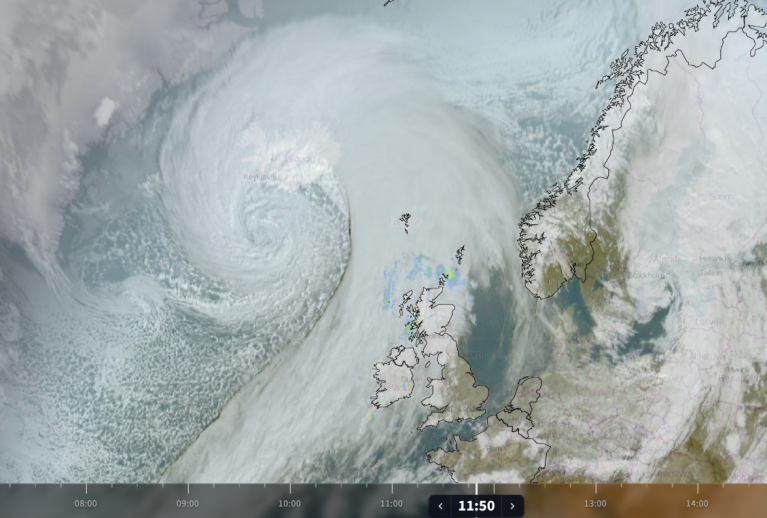
For now, we will stick with the southern rain. The Scandinavian high has been stubborn for 2026, remaining in place and halting the progress of a succession of Atlantic low pressures. These lows are being energised by a powerful jetstream linked to the deep cold over North America.
The Atlantic is bringing western Europe destructive windstorms such as Kirstin, which battered Portugal last week, and we’ve seen Chandra, Goretti and Ingrid have impacts on the UK.
The frontal bands aren’t able to whizz across the UK because of this blocking Scandi-High and so there has been a lot of rain. It was the wettest January on record for both Cornwall and County Down, with disruptive flooding for Northern Ireland and SW England. The Met Office has just announced that Northern Ireland has (provisionally) had its second wettest January on record. With the recent spring tides there has also been coastal damage and overtopping around the UK.
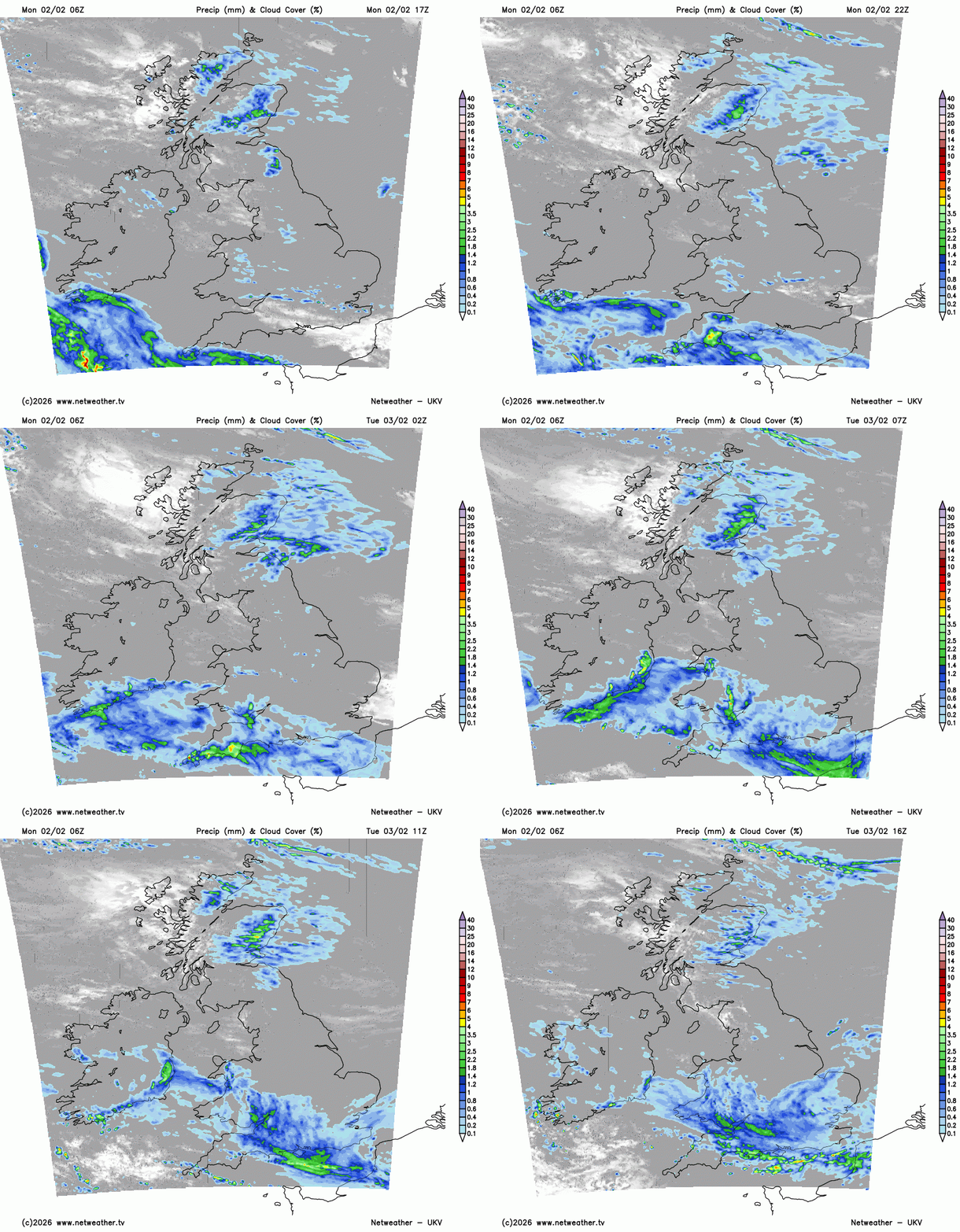
The zone of frontal rain will stick around on Tuesday, extending over more of southern England and Wales, away from the north. The rain will vary from patchy to heavy at times, probably chucking down as you pop for a sandwich at lunch or head out for school pickup. The zone looks to clear from Cornwall in the afternoon after some sharp showers and the wind will ease. Wednesday looks brighter and drier for southern Britain.
The EA flood forecast for England mentions a significant groundwater flooding risk for Dorset and Wiltshire, along with river flooding on the Somerset Levels throughout the next five days. Further inland flooding is probable across SW England later on Monday and on Tuesday and again possible on Thursday. Coastal flooding is also possible.’
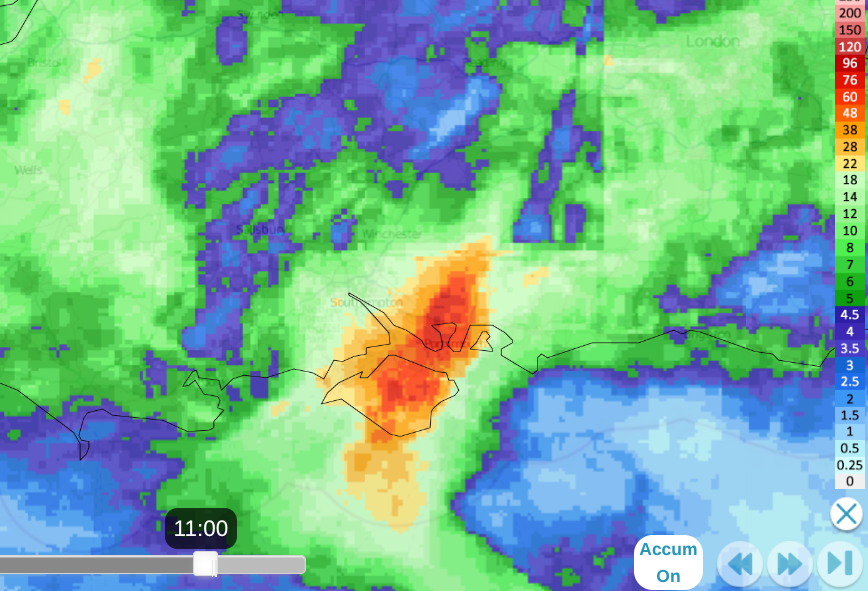
Netweather Radar 24 hour rainfall accumulations to 11am on Monday 2nd Feb.
The yellow rain warning reaches across to Hampshire and the Isle of Wight. These areas saw a very wet spell on Sunday evening as a small circulation rotated over central southern England at the end of the weekend. The Isle of Wight saw the most rainfall (recorded in a gauge) that day, with 39mm. There is plenty of saturated ground about and Wales could see “local inland flooding is possible on Monday and Tuesday” and again in the south later this week.
Colder air from the northeast and the risk of snow
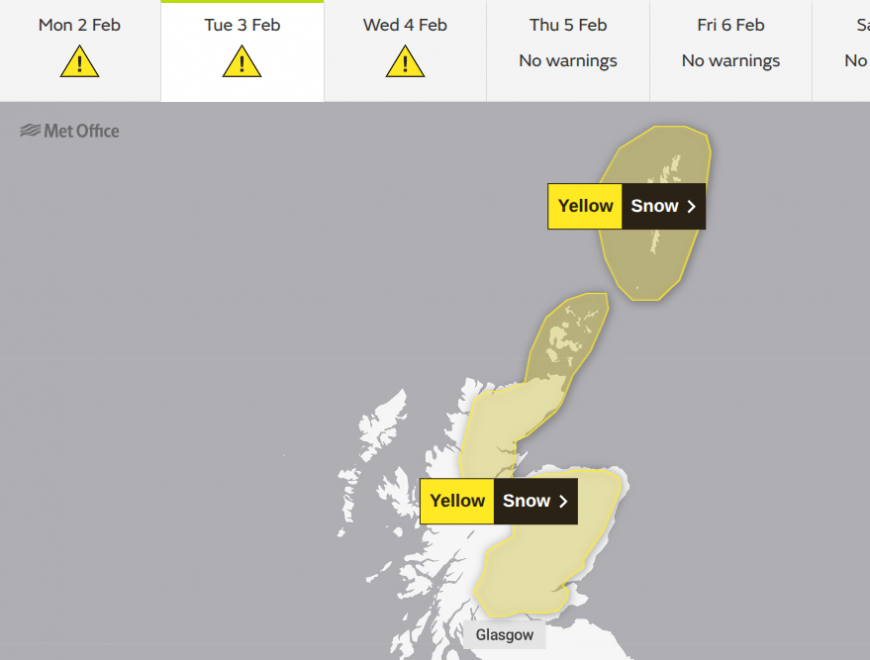
Back to eastern Scotland, where there has been grey weather with murky damp conditions inland and wet weather across Grampian, even along the North Sea coasts.
“Localised river flooding impacts are also possible in eastern Tayside and Angus, resulting in flooding to low-lying land and roads.” Scottish Flood Forecast
The Southeasterly flow is pushing the moist air over NE Scotland with snow over the tops of the Cairngorms on Monday. The rain is going to reach over the far north of mainland Scotland this afternoon as much of the UK sticks with the cloudy grey picture. There could be a few breaks in the cloud for the southern half of the UK this afternoon. Not sure they will give much hope to Punxsutawney Phil, the groundhog, but chinks of brightness might bring a bit of cheer if you catch them.
“Rain feeding into eastern and northern Scotland will increasingly fall as sleet and then snow through Tuesday and into Wednesday.” MO
Cornwall and Devon will manage to stay in the mild air on Tuesday with temperatures around 8 to 10C. Further north, we will be looking at only 4 or 5C with an easterly breeze and a damp feeling in the air.
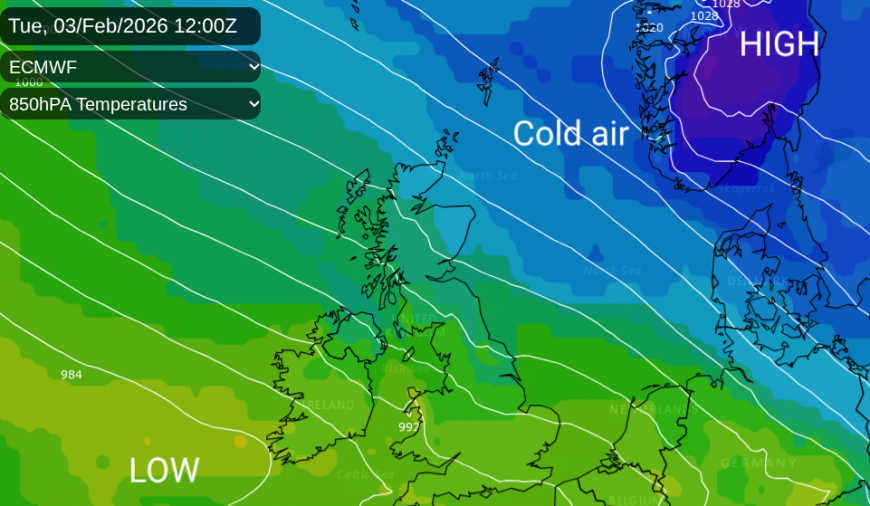
There will be colder air edging in from Scandinavia during Tuesday, although milder air will begin to creep northwards. Over England and Wales, into County Down by Wednesday afternoon. Whilst the cold air is over Scotland, there will be a change to a more wintry tone.
After days of rain with snow just on the mountain tops (helping the Scottish ski resorts) a short surge of colder air will lead to a mix of icy rain, sleet and snow even at low levels. There will be 10 to 20cm of snow and drifting for high ground and
“accumulations of 1-3 cm are expected above 100 metres, with perhaps up to 5 cm in some places.” MO
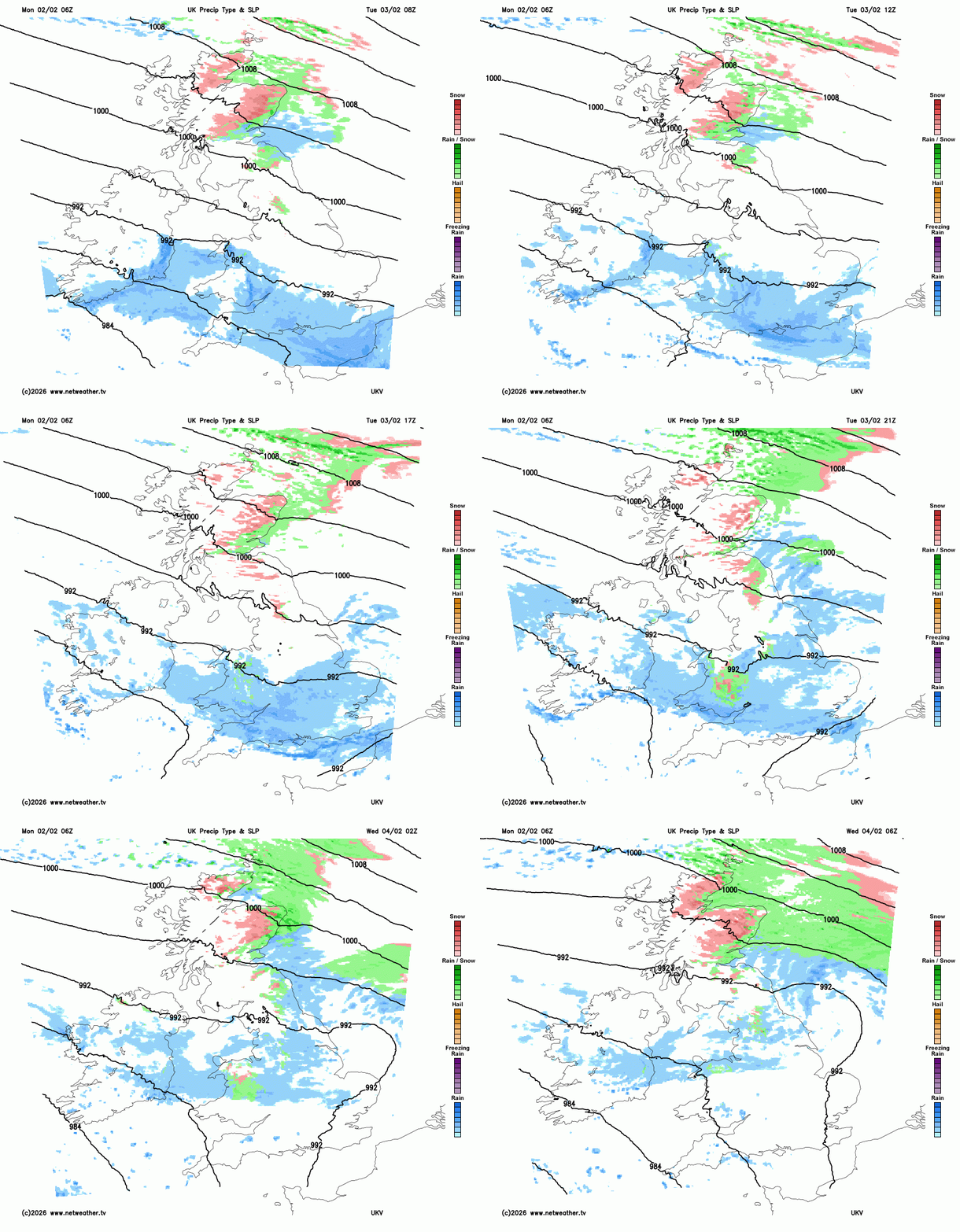
Shetland has a yellow snow warning from late Tuesday into Wednesday as the frontal precipitation finally nudges northwards. Any wintry showers “will turn to more persistent snowfall from Tuesday evening, continuing throughout Wednesday. With accumulations of a few cms, even to low levels expected across the Islands and more over the hills, disruption looks likely.
For northern mainland Scotland, strong winds will lead to blizzard conditions and drifting of lying snow. After a nippy night on Tuesday, there will be snow for the tops of the Pennines on Wednesday with wet weather from the east and snow for the Welsh Mountains as the southern frontal band pushes northwards. The weather becomes brighter and drier for the southern half of the UK.
Loading recent activity...