


April is well underway and we’ve had some fantastic weather down here in the south. Spring fever has well and truly hit and I’m fighting the temptation to run around in a frenzy, chaotically hopping from one gardening task to the next in a crazed attempt to get on top of everything while this good weather lasts. It’s glorious and it’s busy. I love April.
It might be the busiest month of the gardening year but there’s no need to panic. Take a deep breath, make yourself a nice cup of tea and then settle down to have a read of our monthly gardening guide. For extra organisational points, grab a notebook and pen to jot down all the important reminders for your garden. I find lists instil a great sense of calm. Ready? Let’s get started.
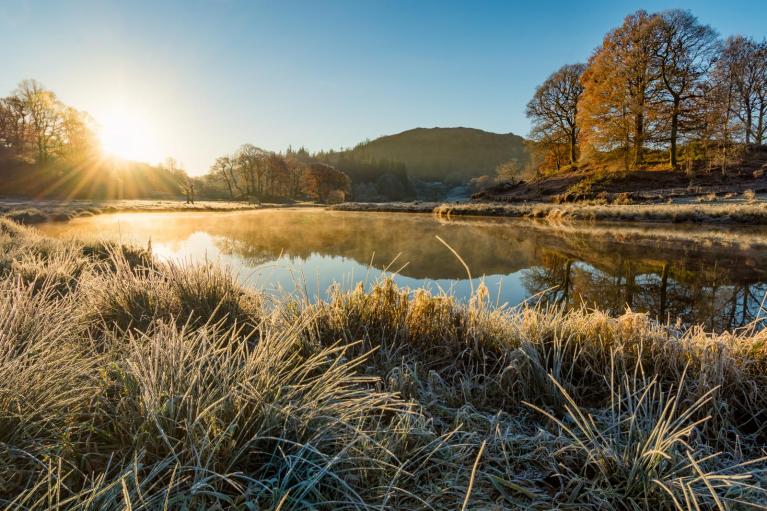
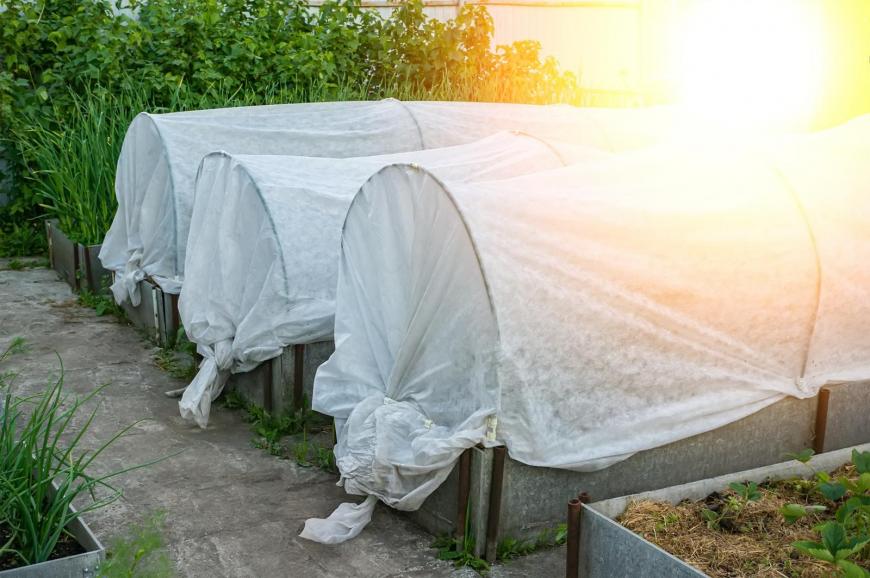
There’s plenty to sow and grow this month. However, do beware of late frosts which can damage tender new growth. Plants vary in their tolerance to frost, so if in doubt wait a little longer until the risk of any late frost has passed before sowing and planting tender annuals outside. Keep an eye on the weather forecast and protect fruit blossoms by covering them on cool nights.
April is the perfect time to increase plant stocks by lifting and dividing clumps of perennials and taking basal cuttings of plants such as campanulas, delphiniums and lupins. With many garden centres closed at the moment, consider swapping extra plants with neighbours. You could sow a few extra seeds for this purpose as well.
Watering needs to start now if the weather is warm. Keep an eye on container plants especially and make sure to mulch or cover any areas of newly prepared ground to prevent the soil from drying out. It’s a good time to invest in rainwater butts if you haven’t already and get them attached to a downpipe ready to catch the spring showers.
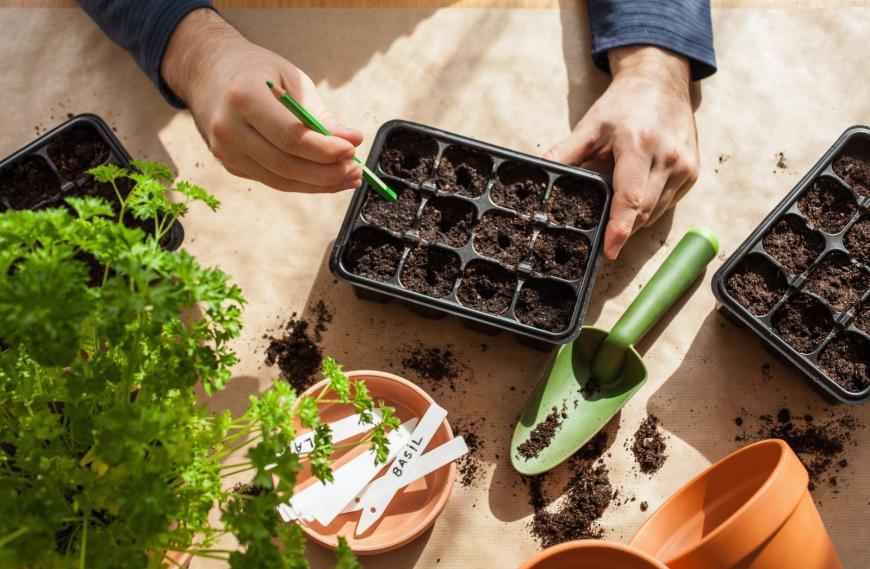
Indoor seed sowing. It’s my favourite time of year in the kitchen garden. Seed sowing is well and truly underway and all of our sunny window sills have been colonised by little seedlings. Don’t worry if you haven’t sown much yet, there’s still plenty of time. Seeds to sow inside this month include courgette, french beans, runner beans, pumpkin, sweetcorn, and squash. Sow cucumbers and melons towards the end of the month.
Outdoor seed sowing. Outside sowing which can begin in March for southern areas can now happen in northern parts of the country. Beetroot, carrots, chard, leeks, peas and spinach can all be sown outside now. Remember to add supports to peas that were sown earlier in the year.
Prepare vegetable seedbeds. Remove the weeds and dig a 5cm layer of compost or well-rotted manure into the soil. Cover the prepared soil afterwards to keep it weed-free and to keep the moisture from escaping.
Build new raised beds. If you’re new to growing or want to extend your vegetable growing capacity, April is a good time to build new beds which can then be filled with a topsoil/compost mix.
Plant potatoes. I always seem to end up planting potatoes around Easter weekend, it’s become a family tradition of sorts! Planting times vary depending on what part of the country you are in but as a rough guide, early potatoes tend to go in the ground around the middle of March, second earlies in late March/early April and maincrop potatoes by the middle of April.
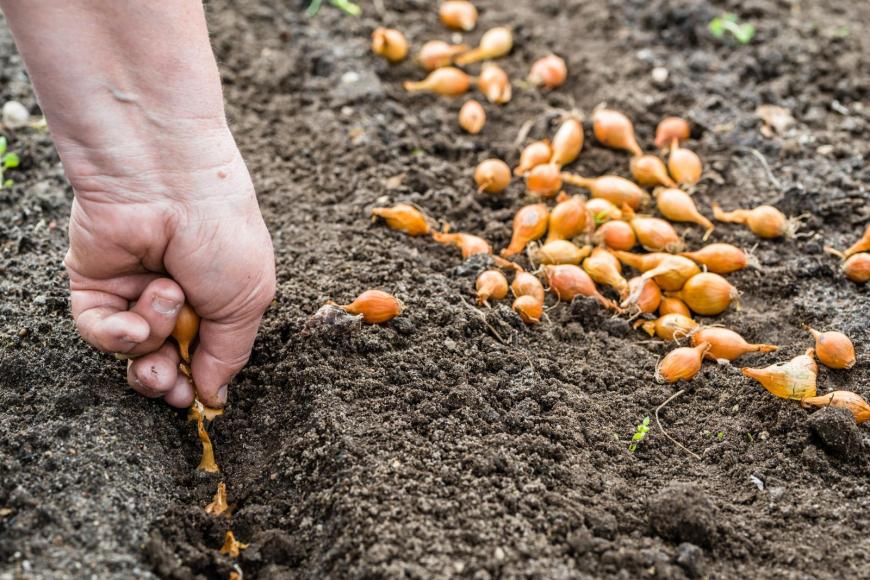
Plant out onion sets, shallot sets and garlic cloves.
Sow seed. Basil seeds can continue to be sown indoors. Chervil, chives, coriander, dill, parsley and salads can all begin to be sown outside.
Top dress herbs in containers. Scrape of 3cm of the old compost and replace with a 50/50 mix of potting compost and garden compost.
Protect fruit trees and bushes from frost. Spring frosts can damage new buds, shoots and flowers. Keep an eye on the weather and cover blossoms with fleece on cool nights.
Plant container-grown trees. Whilst March is really the last month for planting bare-rooted trees, container-grown trees can still be planted in April.
Feed and mulch fruit trees, bushes and canes. Spread well-rotted manure or garden compost, taking care not to mound up the mulch around the trunk. Remember to feed raspberries and blackberries too.
Plant up strawberry beds. Feed the soil first with plenty of compost or well-rotted manure, strawberries are hungry plants!
Try hand-pollinating peaches and nectarines with a paintbrush.
Continue watering new trees and shrubs when the weather is dry. It’s important to keep them well-watered during the first year after planting to get them off to a good start.
Plant new evergreen trees and shrubs. Whereas it’s too late now to plant deciduous trees (which are all coming into bud), evergreen trees and shrubs can still be planted in April.
Feed and mulch trees, shrubs and roses. This gives them a boost as the growing season gets underway and a layer of mulch applied around trees and shrubs before the hot weather arrives will stop the soil from drying out.
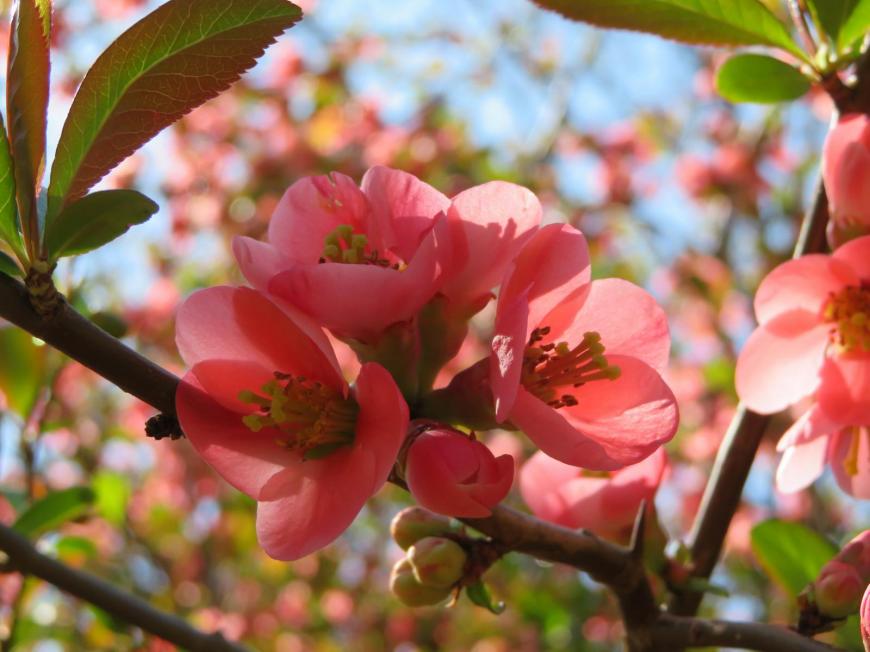
Prune spring-flowering shrubs. Pruning forsythias and Chaenomeles straight after they have bloomed will encourage the new growth that will flower next year.
Prune silver-leaved shrubs. It’s best to prune lavender, Helichrysum serotinum (the curry plant) and Santolina (cotton lavender) every spring to prevent the centres of the shrubs from growing sparse. Give them a short back and sides, trimming 1-2 inches of growth off the whole plant to help them to stay compact.
Tie-in climbers. Tie-in climbers, including clematis and honeysuckle before growth takes off. Training the shoots of climbing and rambling roses to as near horizontal as possible will encourage side shoots to develop, producing more flowers than if they are left to grow vertically.
Lift and divide perennial plants. Now is the time to divide perennial plants such as asters, hostas and daylilies. Revitalise the soil with compost or well-rotted manure before replanting.
Take basal cuttings of herbaceous perennials. You can take basal cuttings from any perennial that makes multiple stems from one crown such as campanulas, delphiniums, lupins and phlox.
Deadhead daffodils and tulips. Remove the dead flowers but leave the foliage to die back naturally. If the flower heads are left on then the plant will put energy into producing seeds. By removing the old flowers, the plant’s energy is redirected into the formation of next year's flower bud within the bulb.
Plant summer flowering bulbs. For a succession of flowers, plant summer-flowering bulbs, corms and tubers such as dahlias, cannas, crocosmia, and gladioli.
Sow hardy annuals outside. Marigold, love-in-a-mist, poppies and nigella can all be sown outside now in most parts of the country. I recommend direct sowing marigolds in the vegetable garden, they’re a great companion plant, attract pollinators and have edible flowers.
Continue sowing half-hardy annuals inside. Amaranthus, cosmos, nicotiana and tagetes can be sown indoors now and planted out once the risk of frost has passed.
Sow and plant sweet peas outside. Sow sweet peas directly in the ground now and plant out ones that have been sown indoors once the risk of frost is past. Mixed colours and scented varieties are best for a cottagey effect. Picking the flowers regularly means more will be formed, so if you have little flower pickers in the family, this is a good plant to redirect them to!
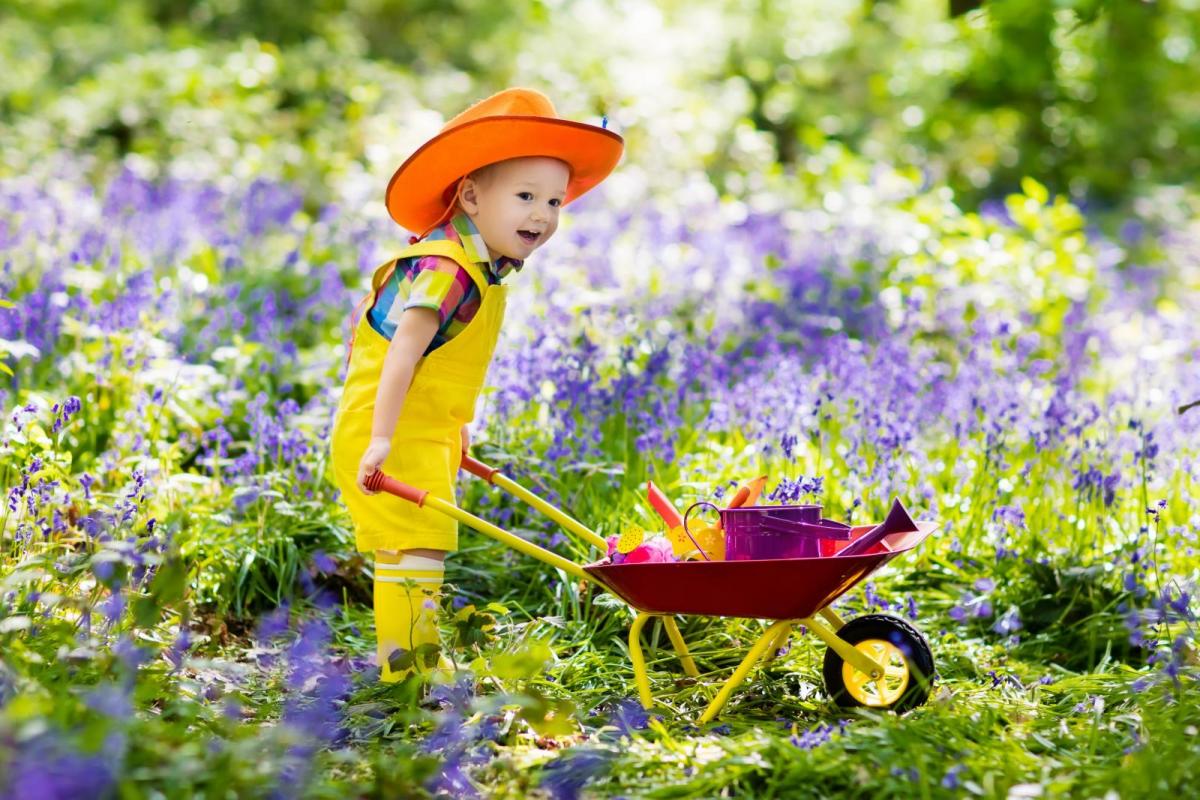
Sow sunflowers and nasturtiums. These two flowers are great fun to grow with children. Both can be sown into pots inside or directly into summer borders once the risk of frost has passed.
Begin regular lawn mowing. Blades should be set at your highest setting when you start mowing in the spring and around the end of April you can start lowering them. It’s also beneficial to leave the grass clippings on the lawn so that they can mulch back into the grass providing essential nutrients.
Remove any thatch. Early spring is a good time to remove any thatch (the dead grass and moss that accumulates) to keep your lawn healthy.
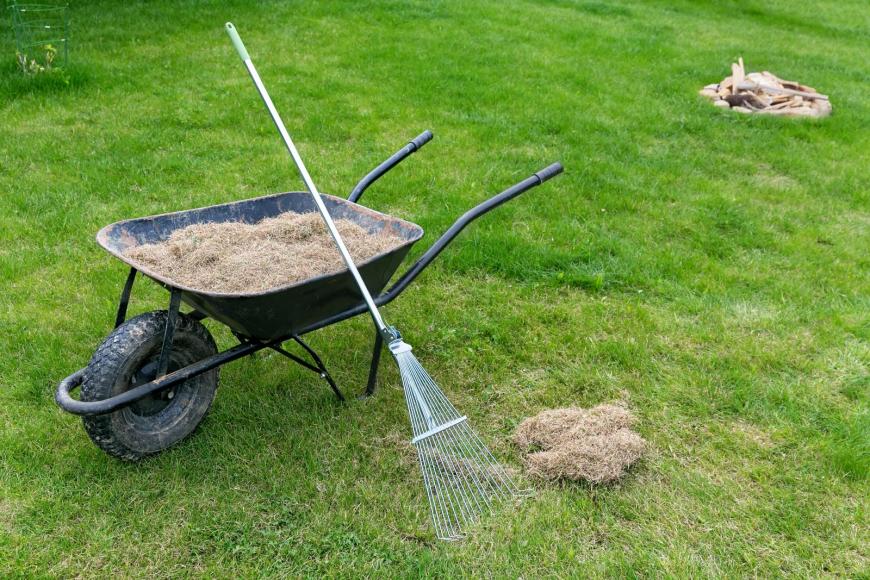
Aerate lawns as necessary. The main cause of moss in lawns is poor drainage, weak grass and compacted soil. Lawns can be aerated each year using a fork or machine to spike the lawn.
Feed the Lawn. As well as leaving clippings to rot down and enrich the soil, lawns can be given an extra boost by spreading a very thin layer of compost across the whole lawn using a brush or lawn rake.
April is also a very busy time of year for garden wildlife. Birds and bumblebees are industriously building their nests, ponds have burst back into life, with tadpoles beginning to hatch towards the end of the month and hedgehogs are busy fattening themselves up ready for the breeding season. Look out for butterflies on warm days and see if you can attract some new species into your garden by growing their favourite nectar-rich plants.
Leave a patch of unmown grass. Leave a patch of your lawn to grow long and watch what wildflowers appear, attracting pollinators and adding to the biodiversity in your garden.
Direct sow wildflower seed mixtures. Consider sowing a mini wildflower meadow and fill in any border gaps with cornfield annuals such as field poppies and corncockles.
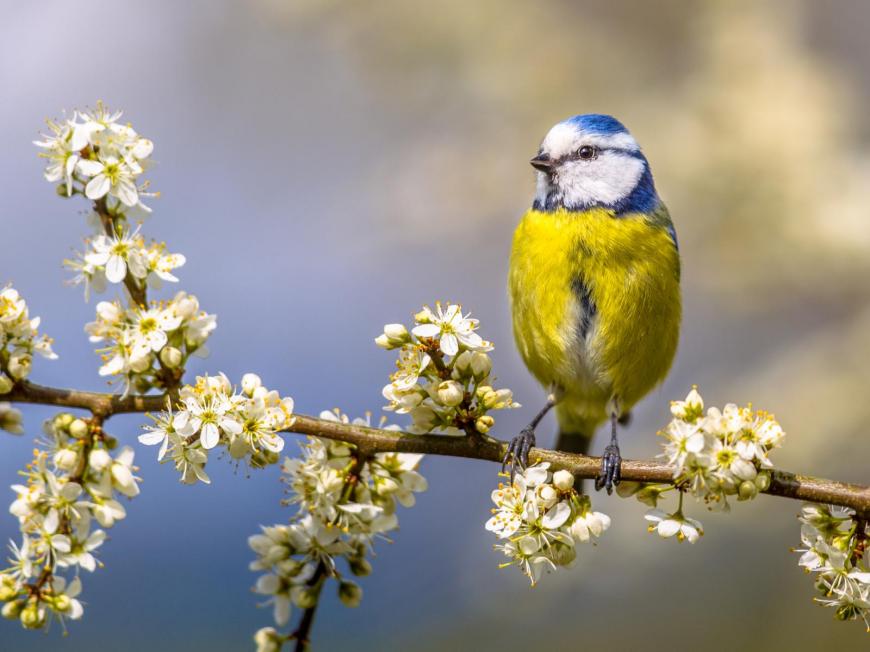
Top up bird feeders and birdbaths.
Leave out water for the bees. Bees need to drink too so it’s a good idea to have a couple of watering spots dotted around the garden to help keep our pollinators hydrated. Don’t add any sugar to the water though. Sugar-water should only be used for acute bee first aid!
Finally, amidst all the hustle and bustle of April, remember to spend some time just sitting and enjoying your garden. Watch the birds, marvel at the colours of spring and admire all of your hard work. Happy Easter everyone!
Loading recent activity...