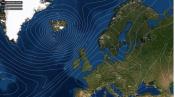



The Environment Agency (in England) has launched 'Flood Action Week' this week, its annual campaign to get people to know their flood risk, prepare a flood plan and sign up for flood warnings. In Wales, the Be Flood Ready campaign is also being highlighted this week.
For 2026, it coincides with news from the UK Government that a new taskforce has been launched “to boost Britain’s resilience to flooding and drought.” We’ve already seen drought in England and Wales this summer and autumn, with water scarcity issues for eastern Scotland and with the super El Niño developing there are concerns that northwestern Europe (including the UK) could see a wetter (and stormier) than average winter.
The new taskforce hopes to “strengthen the nation’s ability to plan for and respond to extreme weather” and “strengthen oversight of flood and drought resilience and champion the voices of communities.”
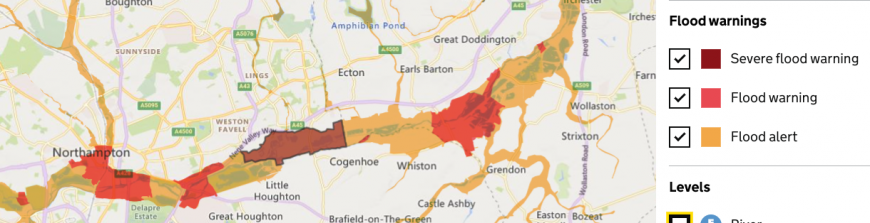
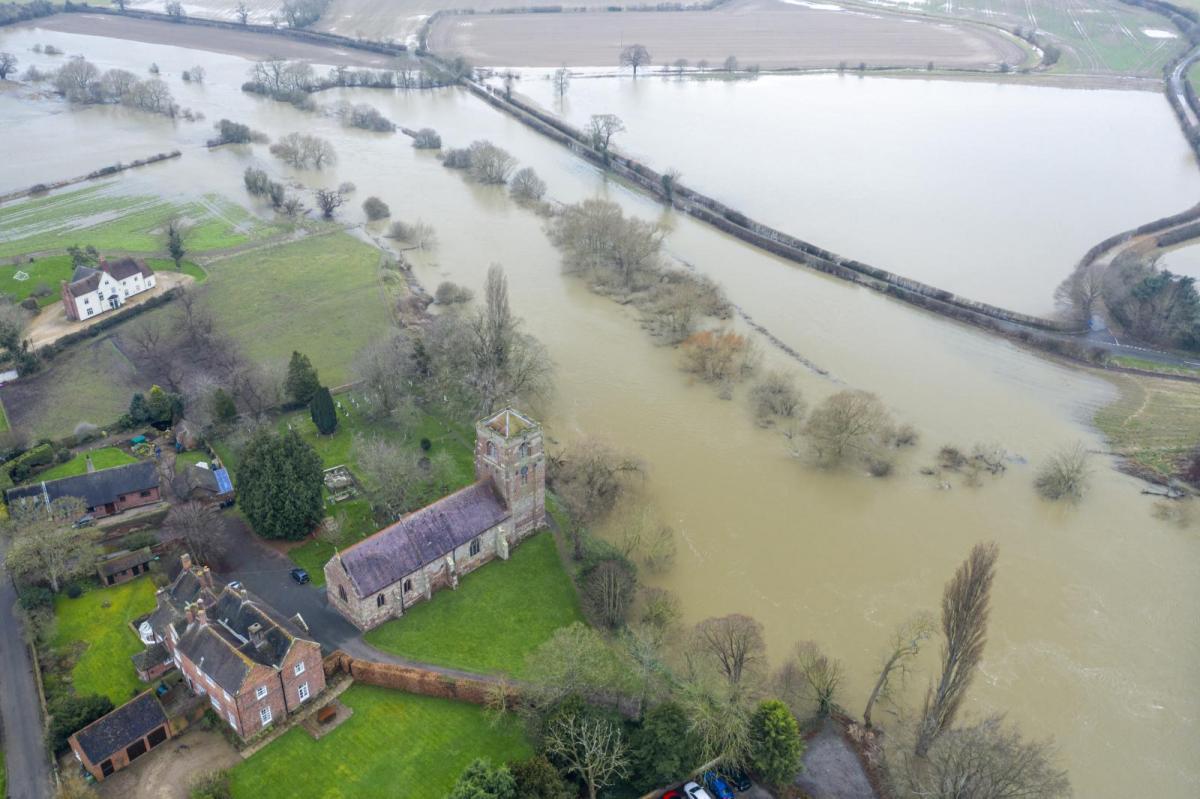
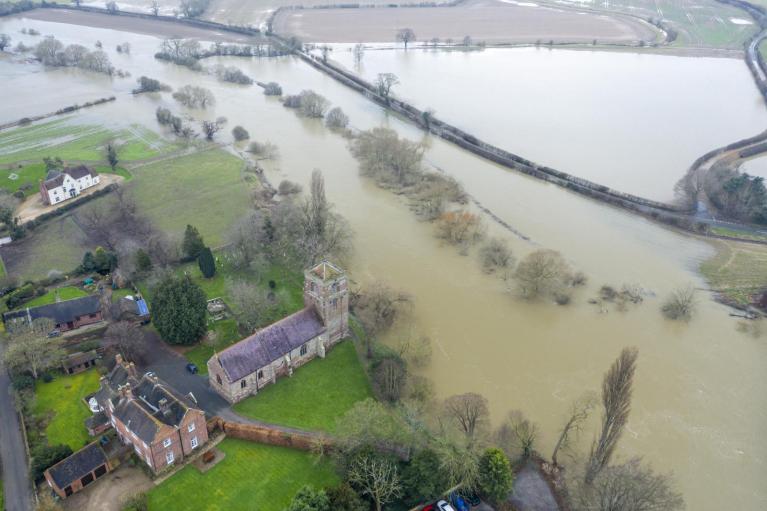
Storm Bert in 2024 severe flooding near Northampton
For England, there is a new online hub, “Flood Action Online”. A one-stop-shop site for people to check their flood risk by postcode, to find flood warnings and weather warnings, and find more information about preparing for flooding. The SEPA (Scottish Environment Protection Agency) website and Natural Resources Wales (NRW) both have information as well. The NI Direct site has flood information for Northern Ireland.
NRW is reminding people that flood risk can quickly return as autumn and winter weather arrives.
“Through its annual 'Be Flood Ready' campaign, running from 12 to 16 October, NRW is encouraging people to understand their flood risk, sign up for free flood warnings and take simple, practical steps now to prepare, before severe weather arrives.”
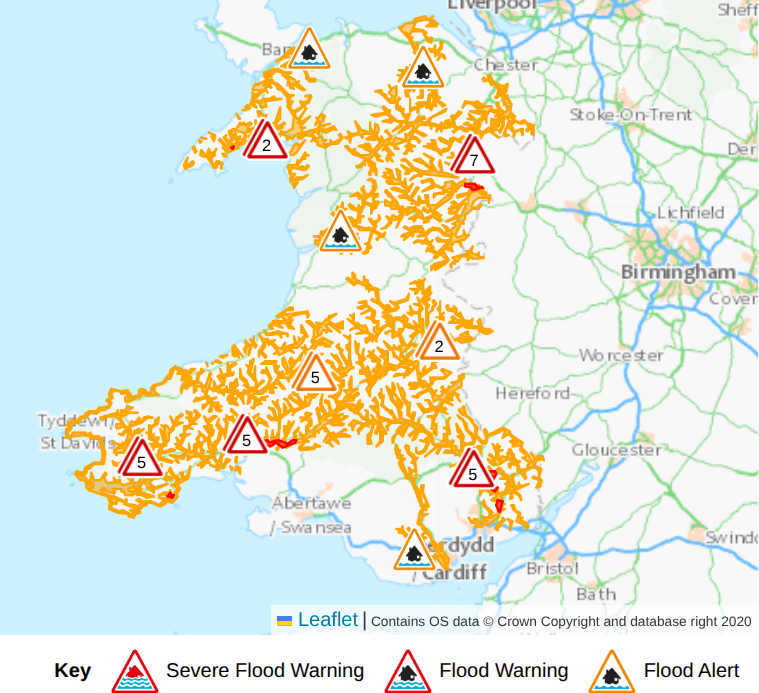
Example flood alerts and warnings over Wales
Scottish Flood Forecast provides a three-day outlook showing where flooding from rivers, surface water and the sea may occur and the potential impacts. The Environment Agency has a five-day forecast for flood risk, as does Natural Resources Wales.
Floodline helpline Telephone: 0345 988 1188 Open 24 hours a day, 7 days a week across Britain.
The Environment Agency in England is running webchat as a trial - Talk to a Floodline adviser over webchat.
Knowing what to do before flooding happens can make a significant difference to reducing impacts on people, homes and businesses.
Flood Action Week
The main things to think about in Flood Action Week are:
1. Begin your preparation by checking your flood risk now and not in a time of emergency
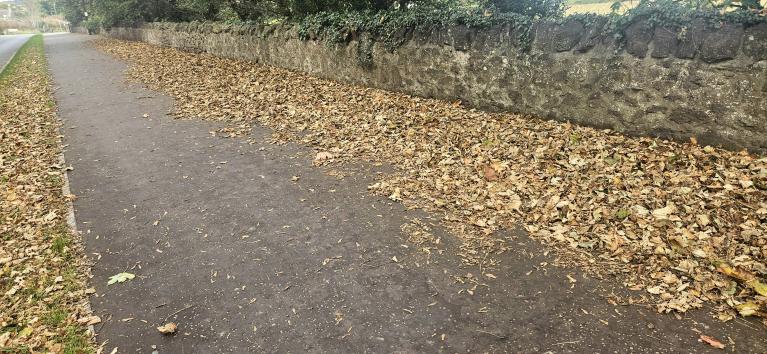
Flood risk can come from rivers, the sea or high groundwater levels. Areas can be identified as vulnerable to surface water flooding, where rainwater will run off and pool. Flash flooding and surface water flooding can hit areas that don’t usually flood if say, there are leaves blocking drains in autumn. This is harder to identify on flood risk maps than river or coastal flooding.
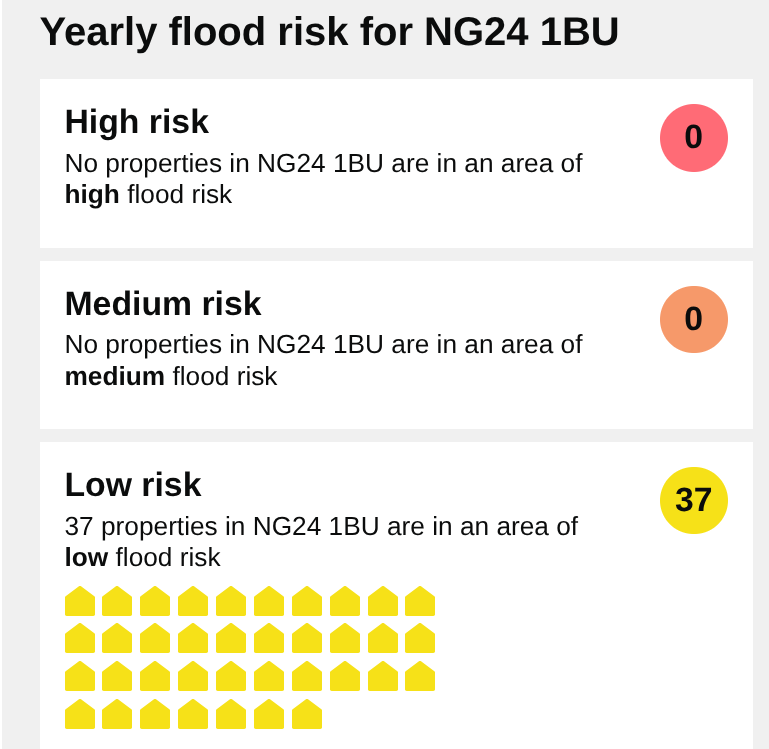
Location flood risk for a postcode from Environment Agency
2. Sign up for free flood warnings.
If you haven’t done this already, it is an easy bit of “flood action”. Signup for flood warnings for your postcode. You can also make use of the service for other locations in the UK if you work or holiday somewhere else. The messages can come by Text message (SMS), Voice Call and/or Email.
“A Flood Warning is issued when flooding is expected, and you should “take action.” It is only available in areas where we can forecast flooding from certain rivers or coastlines. There are over 300 flood warning areas in Scotland. “ SEPA.
“A Flood Alert is issued when flooding is possible, and you should “be prepared.” It covers a wide area and considers flooding from surface water, rivers and the sea. There are 19 flood alert areas which cover the whole of Scotland.”
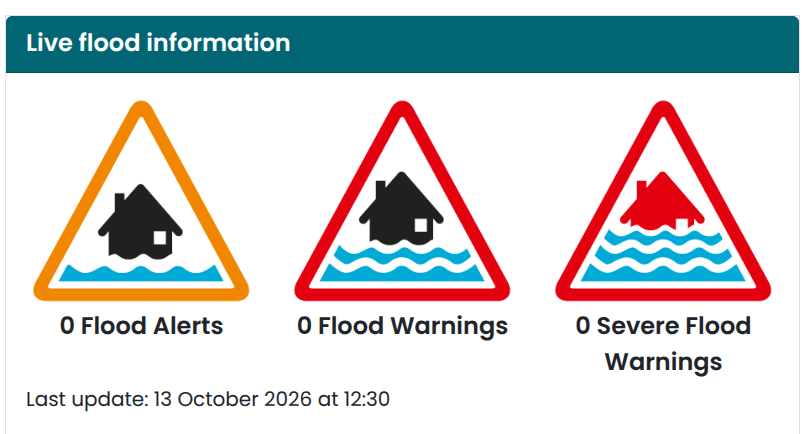
3. Know the difference between alert, flood warning and severe flood warning
There are three levels of flood warning: orange alert, red flood warning and red severe flood warning. They show rising levels of water on the icons. There is also a green/grey level when the warning lapses or is cancelled.
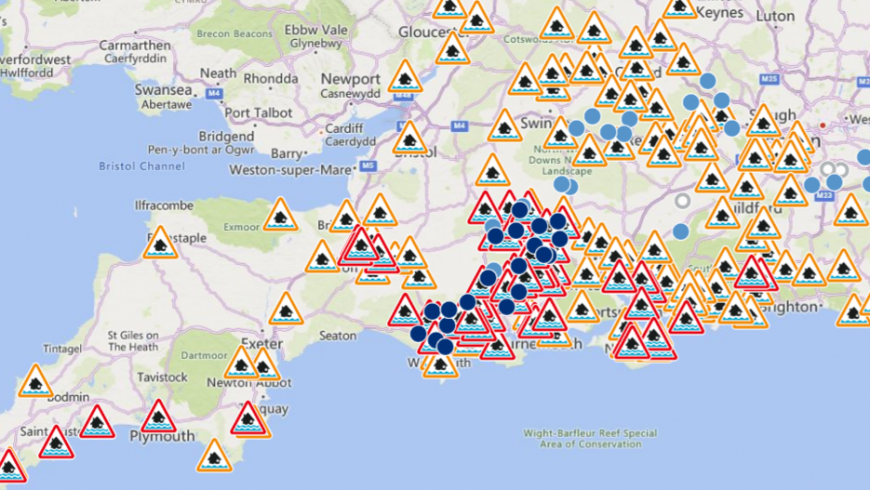
Environment Agency flood alerts and warnings with ground water levels
4. Make a flood plan.
A plan should cover a grab bag, torch, what to move, where important documents are, how to switch off utilities safely and where you’d go if you had to leave. Preparing now will help if floodwaters are rising and you are faced with a stressful situation, potentially in the dark.
5. Think about property flood resilience if you’re at risk.
Is it worth investing in flood protection or resilience measures? There is information on the new hub. Join a community group, or attend an event to hear more about flooding issues locally and what you should think about.
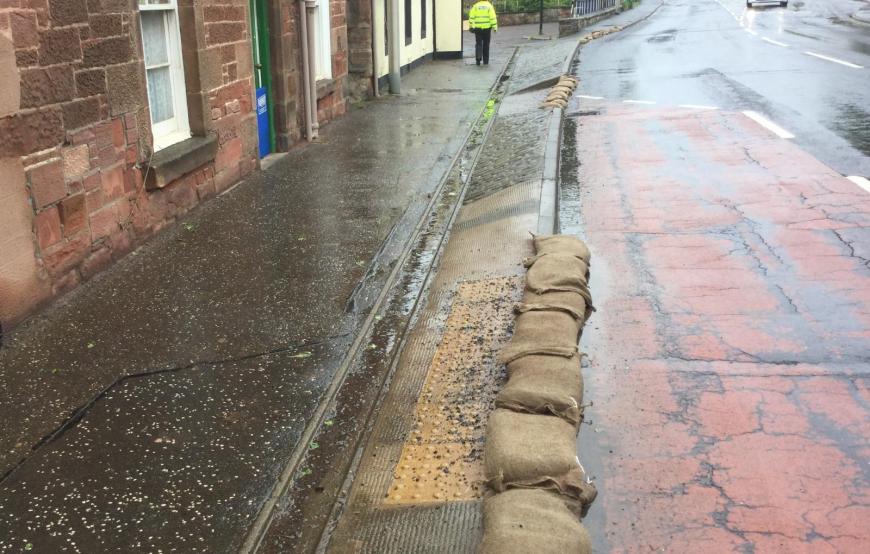
Flood gate and sandbags
One in seven homes and businesses in Wales is at risk of flooding NRW. Around 6.3 million homes and businesses are at risk of flooding in England from rivers, the sea or surface water Geographical Association.
SEPA figures highlight that 1 in 8 properties in Scotland are now at risk of flooding. With over 400,000 homes at risk of flooding today and an estimated 634,000 at risk by the end of the century
6. Expect more extremes of weather
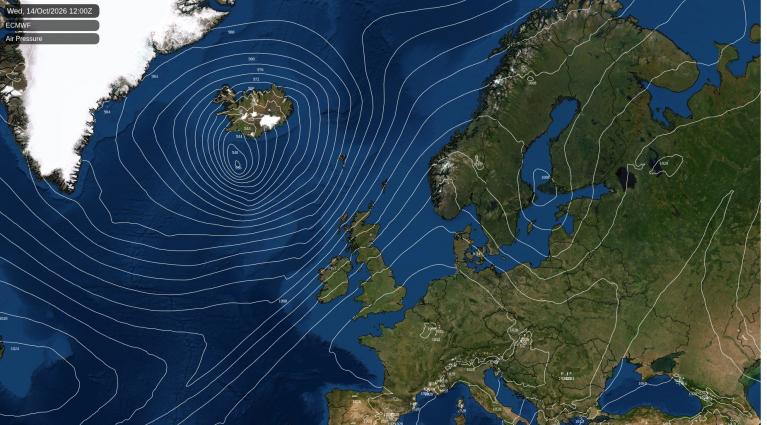
There has been a very dry summer, with drought and high temperatures. There is the potential for a wetter than average winter. The ground is hard and very dry, so if heavy and persistent rain does come, that water will stay at the surface, running off into rivers and drains, out to sea rather than being able to soak into the ground. In winter storms, there can be large waves and storm surges, along with issues when combined with spring tides. The Thames Barrier closes a few times each year to protect London. Compound flooding can occur during or after heavy rain when swollen rivers, rain runoff from the land and high tides at sea cause flooding in estuaries. Often Met Office rain warnings coincide with the environment agency warnings, but not always. Flooding can continue after the heavy rain has stopped.
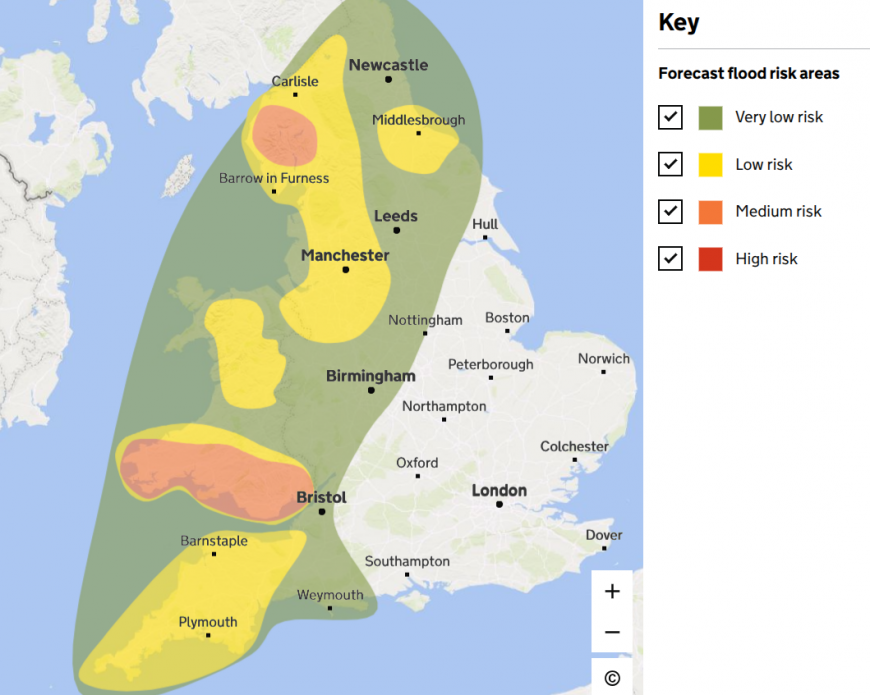
Flood forecast risk areas example England and Wales
The new Flood and Drought Resilience Taskforce
This will meet on Wednesday, 14 October 2026 with more than 50 organisations and does include the devolved governments. There is mention of the Environment Agency (England), Met Office (UK), mayoral authorities (England), fire and rescue services (Britain), and the farming, water and insurance sectors.
As our climate changes, this taskforce is aiming for a more joined up approach: looking at being prepared, sharing and using expertise including local experience, and longer-term resilience especially via communities. This is about water extremes: floods and drought, set in a wider picture of managing risk and the need for deeper resilience across the UK.
Loading recent activity...