


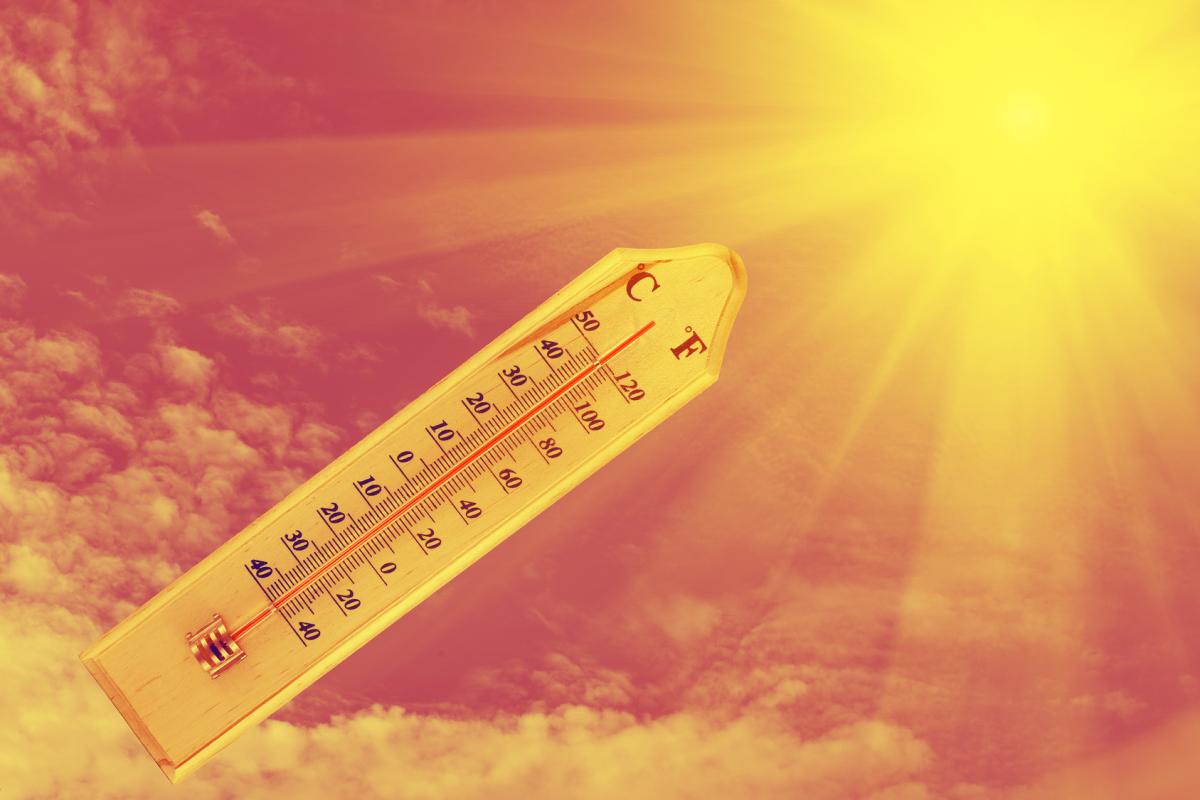
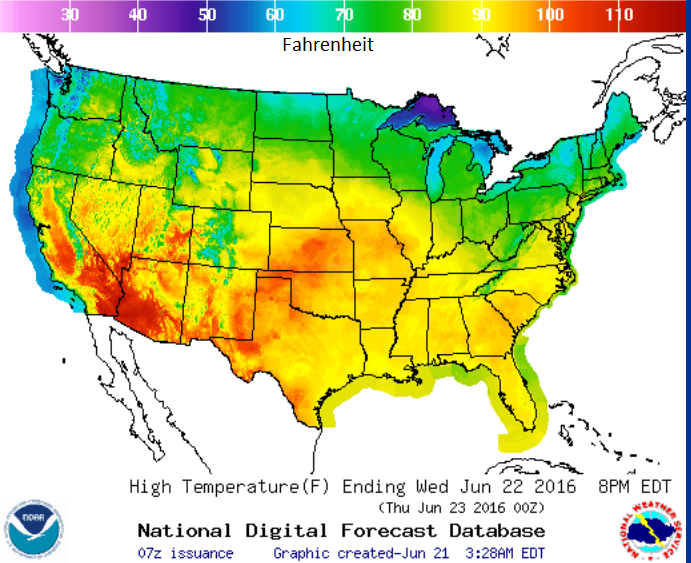
The SW of the United States has been seeing intense heat, even by their standards. You might expect to hear of 100F+ temperatures in Death Valley but these values are being seen in other parts. This region of the United States has cities within the desert. The cumulative effect, day by day, leads to hot nights and temperatures quickly rising even higher the next day as the sun gets to work once more. Excessive heat warnings remain in effect midweek with records already being broken. Millions of people are under heat warnings or advisories.
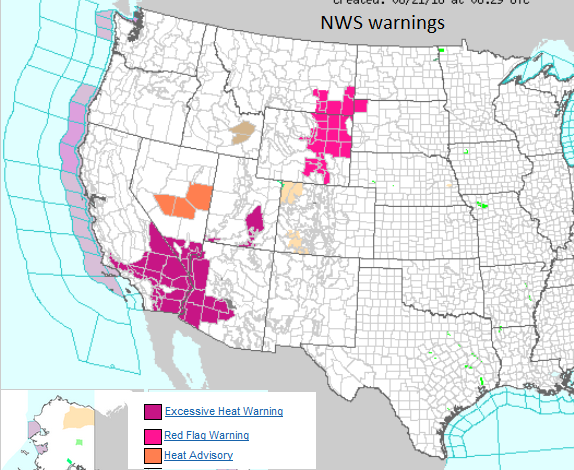
An excessive heat warning means that there will be a prolonged period of time when dangerously high temperatures will occur. Heat exhaustion and heat stroke are very likely and there will be health risks to the elderly, young children, people with chronic ailments, those without AirCon and those who have to stay outdoors. The advice:
STAY COOL...STAY HYDRATED...STAY INFORMED.
Earlier in the week:
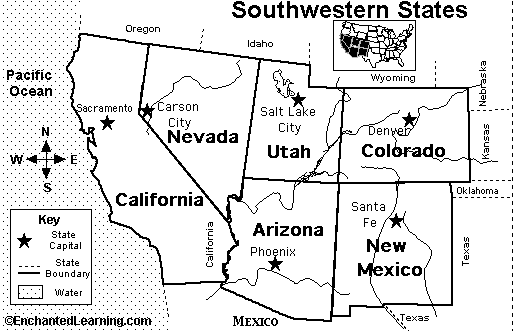
Santa Fe's high of 102 degrees tied its hottest all-time temperature on record (from June 27, 2013) Tucson's high of 115 degrees tied its third hottest temperature of all time (46C). Yuma's reached 120F (49C) and Phoenix's high was 118 degrees.
Even on Tuesday there were still warnings for:
Las Vegas Valley 108 - 125F (highest in Death Valley).
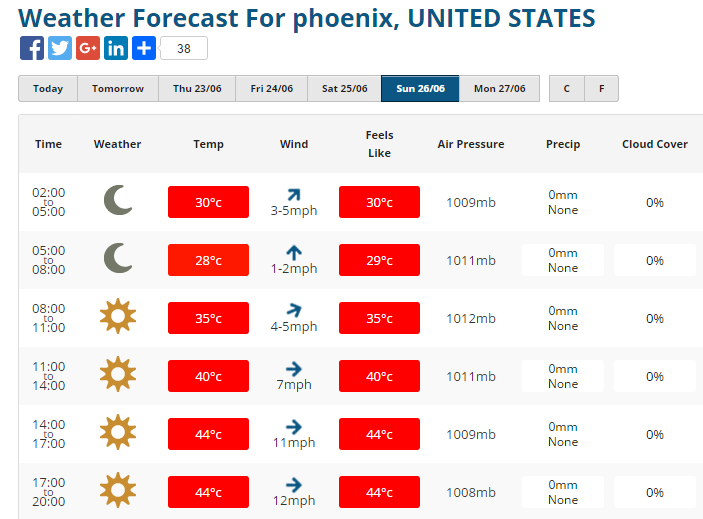
South Central Arizona (including Gt. Phoenix) highs 110-115F forecast
SE California and SW Arizona Highs 112-117F
These are daytime forecast temperatures but there is little relief even by night. Already, there have been 4 heat related deaths, people hiking in the region.
The UK highest ever temperature was 38.5C back in August 2003 which is 101F. This desert setting means there is little moisture being evaporated, so all the solar energy goes into the ground and then heats up the air at the surface, barely dipping by night, to then take on more energy the next day.
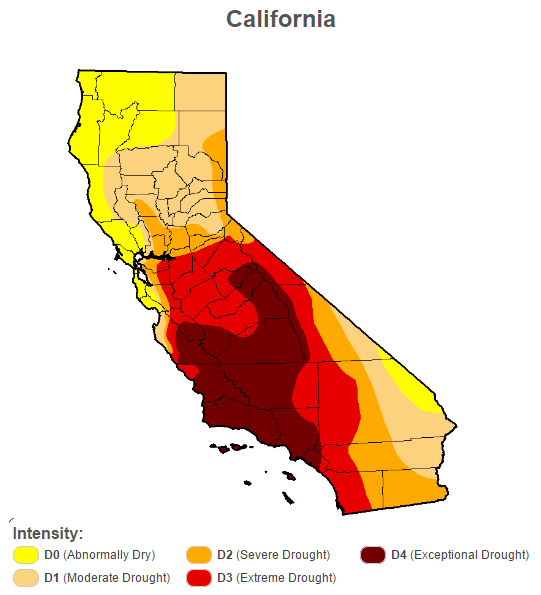
In addition to the heat is now the increasing danger of Wildfires. A large wildfire in Santa Barbara County has already resulted in mandatory evacuations.
California has experienced one of the driest four-consecutive years (2012-2015) in the past century. Whilst the current year is considered to be dry to normal, there are problems now with groundwater supplies and subsidence of aquifers. The local news is full of the heat and firefighting as wildfires increase.
Changes occur midweek as the intense heat begins to spread towards the Plains in the middle of the US, and temperatures begin to ease for coastal SW especially for California. However, the 110+ temperatures remain for some SW areas.
Loading recent activity...